
White Elephant
2012
No user ratings available yet
Representation score: 7.0 out of 10
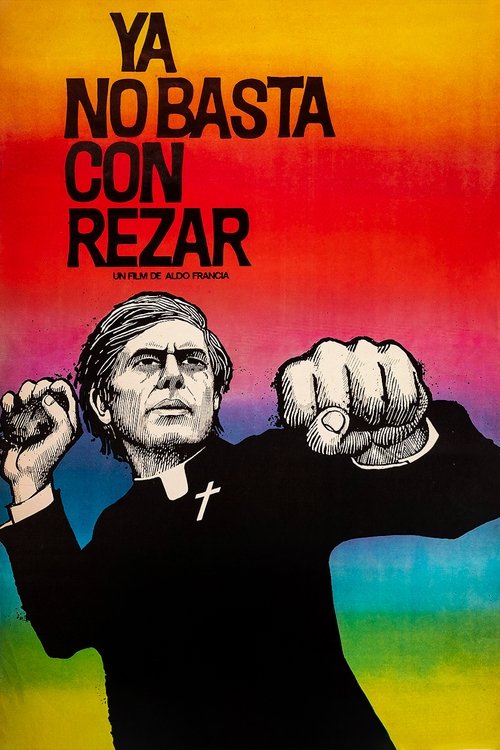
Representation Score
Good
1972
Director
Aldo Francia
Runtime
80 minutes
Average Rating
No ratings yetNew Showbiz Analysis
Aldo Francia’s film is a powerful piece of social-realist cinema that deconstructs religious and economic hierarchies. It places ability to act in the hands of the Chilean working class, particularly through the lens of liberation theology. The narrative effectively challenges Eurocentric and institutional power structures by centering on mestizo and indigenous laborers. While the film excels in cultural and racial representation, it remains limited in its exploration of gender and LGBTQ+ identities. The focus stays firmly on systemic class struggle rather than individual identity politics.
Category Breakdown
The film does not include explicit LGBTQ+ character arcs or dynamics that go beyond assuming everyone is straight. Instead, it focuses on class struggle and religious reform, emphasizing socio-economic issues over sexual orientation.
The story centers on labor movements and the worker-priest archetype, often seen through a male-centric lens. However, it challenges patriarchal hierarchies by advocating for underrepresented voices within the Church.
The film highlights the Chilean working class, focusing on indigenous and mestizo laborers. This shifts the focus away from Eurocentric hierarchies toward the ability to act of the local population.
By using liberation theology, the film critiques traditional Western institutions and religious dogma. It frames social activism and grassroots rebellion as the true path to morality.
There is no documented evidence regarding the portrayal of physical or neurodivergent disabilities in this production.
Present on Screen
Limited or Absent
Official Synopsis
Many socially-concerned priests in Catholic Latin America have at some time left their parish churches to go and work in the fields and factories of the poor. Such priests, usually adherents of "liberation theology," are called "worker-priests." This Chilean film tells the story of how one man became a "worker-priest" and won the trust of the poor.
2012
1959
1978

2011
1957
1996
1999
2008
No reviews yet. Be the first to share your thoughts on this movie!
Use the rating form above to leave a star rating and optional review.