The Hero
1966
No user ratings available yet
Diversity score: 6.0 out of 10
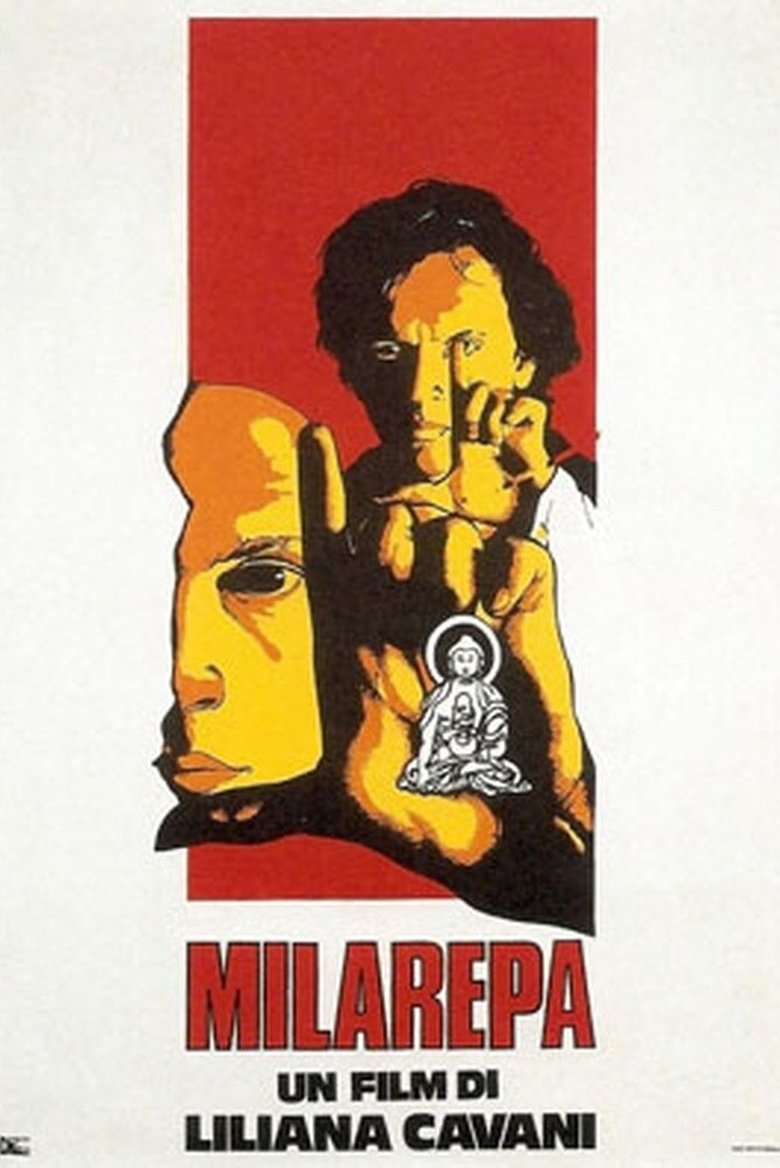
1974
Director
Liliana Cavani
Runtime
108 minutes
Average Rating
No ratings yetSynopsis
After a car accident, a professor, trapped and awaiting help, hears a student recount the life of Milarepa. The tale unfolds in three parts: dark vengeance, spiritual discipline, and ultimate transcendence, reflecting a journey of inner transformation.
Overall Score
Good
Category Breakdown
LGBTQ+ Representation
The film lacks LGBTQ+ characters or narratives. The story focuses exclusively on the ascetic and spiritual journey of the protagonist.
Gender Representation
The film subverts patriarchal tropes by centering the relationship between Milarepa and his female teacher, Marpa. She holds spiritual authority and directs the male disciple's training.
Racial & Ethnic Diversity
The production achieves cultural authenticity by utilizing a Tibetan setting and cast. This approach avoids whitewashing and prioritizes a non-Anglo-Saxon perspective.
Religious & Cultural Diversity
The narrative prioritizes Buddhist philosophy and karma over Western concepts of sin. It explores spiritual discipline and critiques socioeconomic hierarchies through asceticism.
Disability Representation
There are no specific depictions of visible or invisible disabilities. While the film shows physical hardship, disability is not a central character trait.
Strengths
Areas for Improvement
AI Analysis
Milarepa is a culturally significant biographical drama that successfully disrupts the Western-centric cinematic gaze. By centering 11th-century Tibetan asceticism, the film offers a profound look at non-Western philosophical frameworks and spiritual hierarchies. The film's greatest strength lies in its subversion of traditional power dynamics. It replaces the 'male mentor' trope with a female spiritual authority and replaces Western morality with Buddhist principles of karma and transcendence. However, the film lacks representation for LGBTQ+ identities and does not feature characters with disabilities. While it excels in cultural and gendered subversion, these specific demographic gaps limit the overall diversity score.
1966
1974
1956
1977
2015
1986
1962
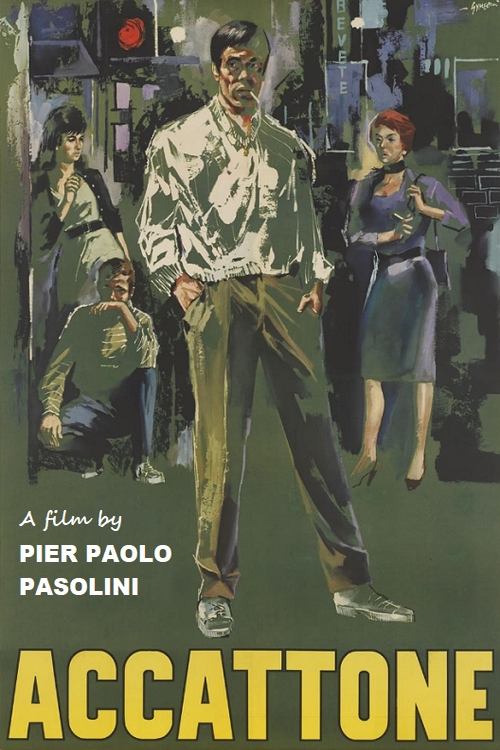
1961
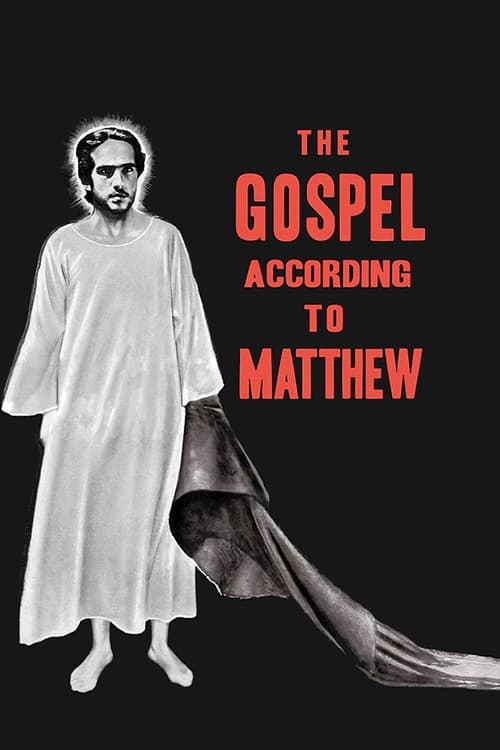
1965

1984
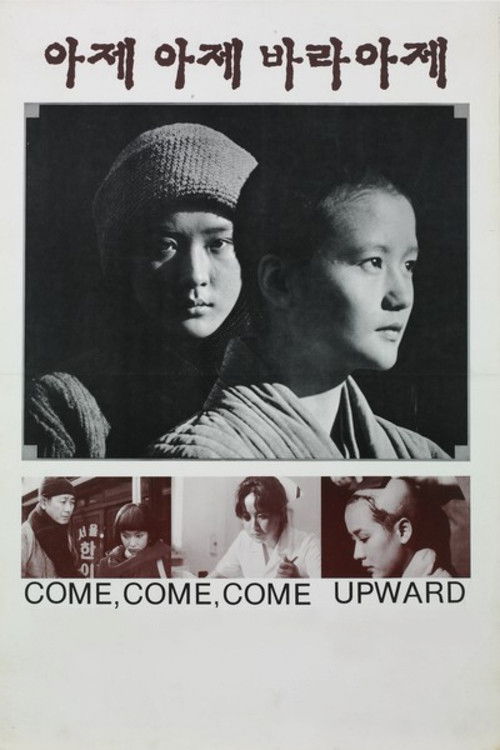
1989
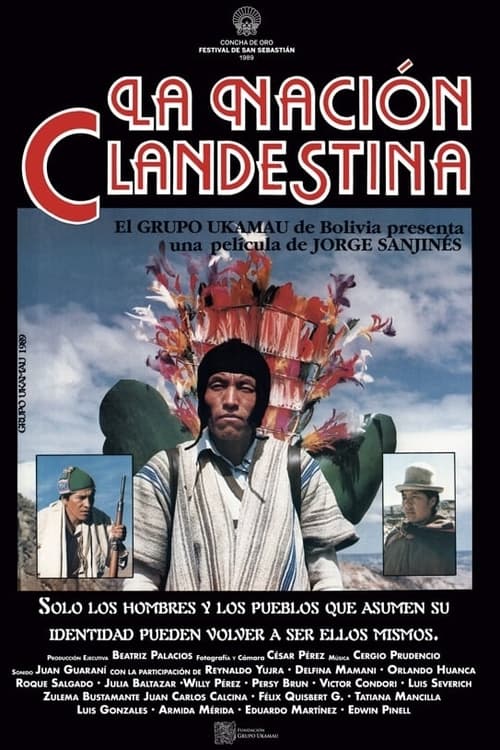
1989
No reviews yet. Be the first to share your thoughts on this movie!
Use the rating form above to leave a star rating and optional review.