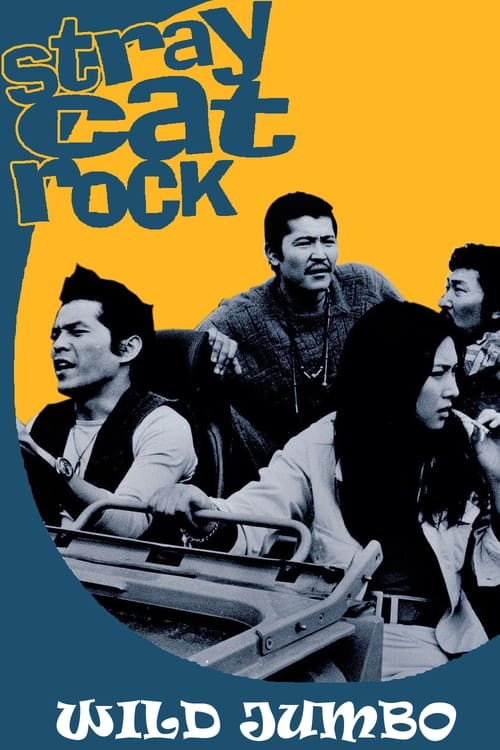
Stray Cat Rock: Wild Jumbo
1970
No user ratings available yet
Representation score: 3.5 out of 10
Representation Score
Fair
1970
Not RatedDirector
Yasuharu Hasebe
Runtime
82 minutes
Average Rating
No ratings yetNew Showbiz Analysis
Yasuharu Hasebe’s film critiques the established social order by presenting delinquency and anti-social behavior as legitimate rebellions against oppressive mainstream structures. While the film effectively disrupts standard cinematic clichés from the era, it lacks depth in other areas related to identity. The narrative does not offer explicit LGBTQ+ character arcs or significant racial diversity beyond the local Japanese context. Ultimately, the film excels in portraying underrepresented, anti-establishment lifestyles but misses opportunities for broader identity representation.
Category Breakdown
The film examines the lifestyle choices and social connections within a youth subculture but does not show same-sex intimacy or non-binary gender identities explicitly.
Women are shown as active, independent members of the counter-culture movement, functioning as equals to men rather than in submissive roles.
The cast is mainly Japanese, reflecting the urban youth population of Tokyo. It avoids traditional family structures by focusing on a diverse, fragmented youth community.
The film challenges traditional Japanese institutions by highlighting deserters and motorcycle gangs, emphasizing individualistic freedom over post-war societal norms.
There is no significant portrayal of physical or neurodivergent disabilities in this film.
Present on Screen
Limited or Absent
Official Synopsis
Two Japanese men help a Vietnam war deserter escape from Japan for Sweden. They plan to fund the escape by selling LSD pills. After word of the drug deal gets spread around they find themselves fending off rival gangs.
1970
1967
1971
1973
1975
1974
1970

1969
No reviews yet. Be the first to share your thoughts on this movie!
Use the rating form above to leave a star rating and optional review.