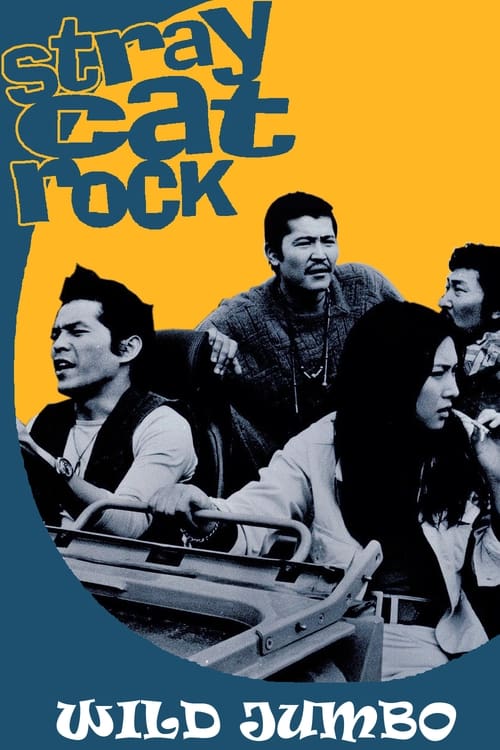
Stray Cat Rock: Wild Jumbo
1970
No user ratings available yet
Representation score: 3.5 out of 10
Representation Score
Fair
1971
Not RatedDirector
Toshiya Fujita
Runtime
87 minutes
Average Rating
No ratings yetNew Showbiz Analysis
Toshiya Fujita’s direction offers a raw depiction of 1970s Japanese youth subcultures. The film stands out by challenging traditional gender roles, presenting an empowered female collective instead of the typical passive damsel. Despite its cultural specificity and lack of racial or LGBTQ+ diversity, the film remains a compelling study of social non-conformity. It uses the 'shinjinrui' counterculture to question established social structures. Overall, the film’s progressive value lies in its emphasis on individual empowerment against corrupt traditions.
Category Breakdown
The film examines unconventional social connections and lifestyles but doesn't include explicit queer identities or same-sex relationships.
The story focuses on a group of rebellious women led by a strong female character named Kaji. She plays a significant role in driving the plot despite facing systemic barriers and patriarchal figures.
The cast is primarily Japanese, with a cultural focus on Japanese subcultures. There is no representation of interracial dynamics or diverse racial backgrounds.
The narrative critiques traditional Japanese institutions through the lens of counterculture. It highlights the struggle between individual freedom and oppressive authority.
There is no significant evidence regarding the portrayal of visible or invisible disabilities.
Present on Screen
Limited or Absent
Official Synopsis
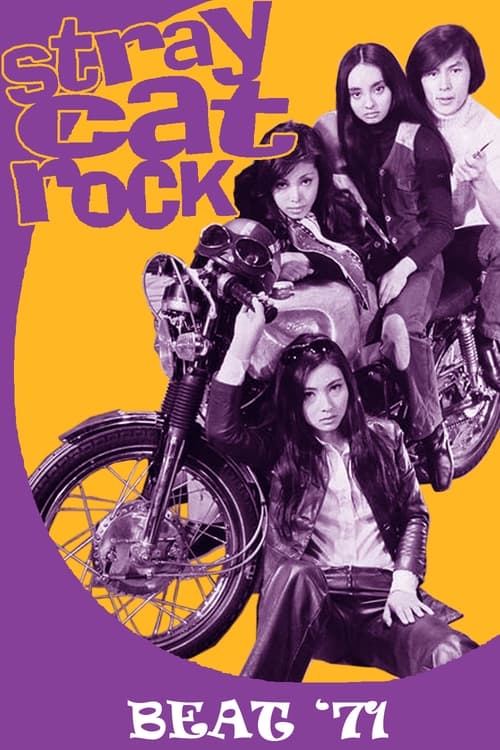
The series swansong, Beat '71, sees Kaji framed and sent to prison by her boyfriend's father and with the help of some hippies she strives to be re-united.
1970
1972
1970
1972
1974
1970

1977
1977
No reviews yet. Be the first to share your thoughts on this movie!
Use the rating form above to leave a star rating and optional review.