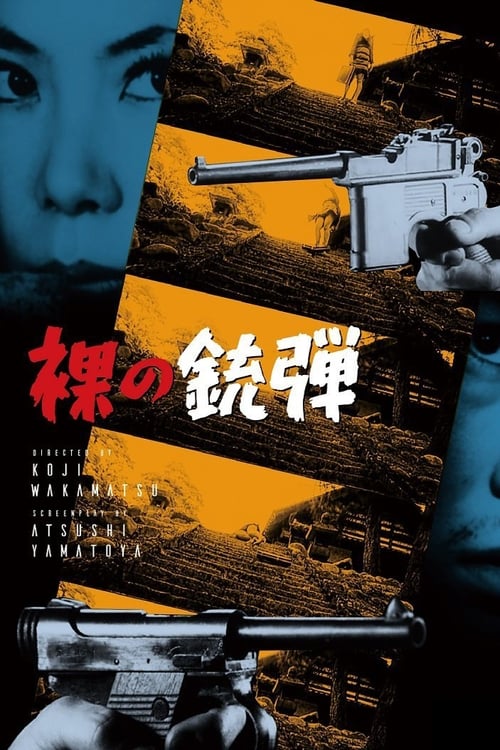
Naked Bullet
1969
No user ratings available yet
Representation score: 6.5 out of 10
Representation Score
Fair
1975
Director
Noboru Tanaka
Runtime
99 minutes
Average Rating
No ratings yetNew Showbiz Analysis
The film gains its strength from its historical backdrop, which inherently introduces racial and cultural conflicts. By focusing on the tension between local Japanese gangs and US occupation forces, the story moves beyond a singular view of post-war society. However, the film seems constrained by the genre conventions of 1970s crime cinema, likely relying on traditional masculine archetypes and straight-centered structures. While the film lacks progress in gender and disability representation, its engagement with post-colonial themes adds a meaningful layer of ethnic and cultural complexity.
Category Breakdown
The film does not provide any clear evidence of LGBTQ+ identities or queer character arcs. In the context of 1970s Japanese crime cinema, such identities were often hidden or implied rather than explicitly shown.
The story emphasizes masculine conflicts and territorial battles during the US occupation period. Female characters may play supporting roles without challenging traditional gender hierarchies.
The narrative breaks away from a homogeneous society by highlighting the tension between local populations and US occupation forces, as well as international gangs. This setup explores racial tensions and a multi-ethnic criminal underworld.
Set in 1947 Kobe, the film critiques Western dominance and foreign influence. The struggle against occupation forces highlights themes of anti-colonialism and resistance to post-war Western intervention.
There is no documented evidence of physical or neurodivergent disabilities being portrayed within the film's narrative.
Present on Screen
Limited or Absent
Official Synopsis
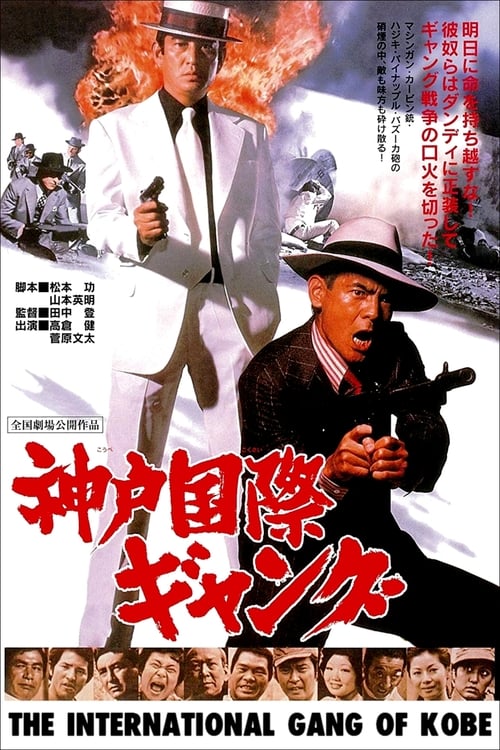
In 1947, in Kobe, Japan, a local street gang fights for their survival when its turf is overrun by United States occupation forces and international gangs.
1969
1973
1957
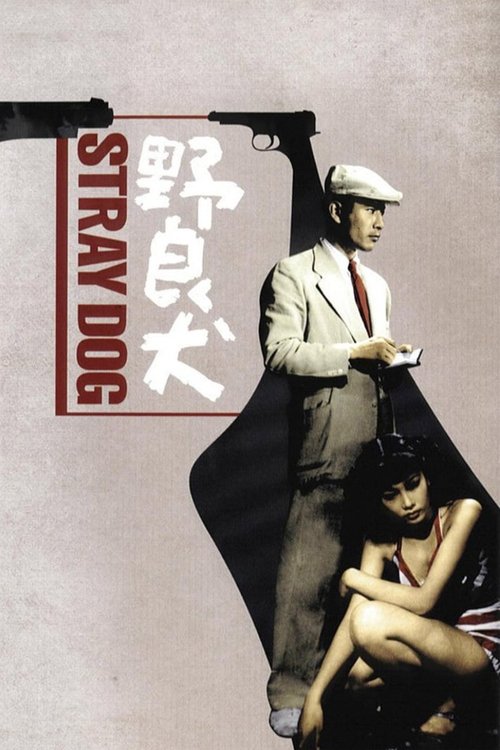
1949
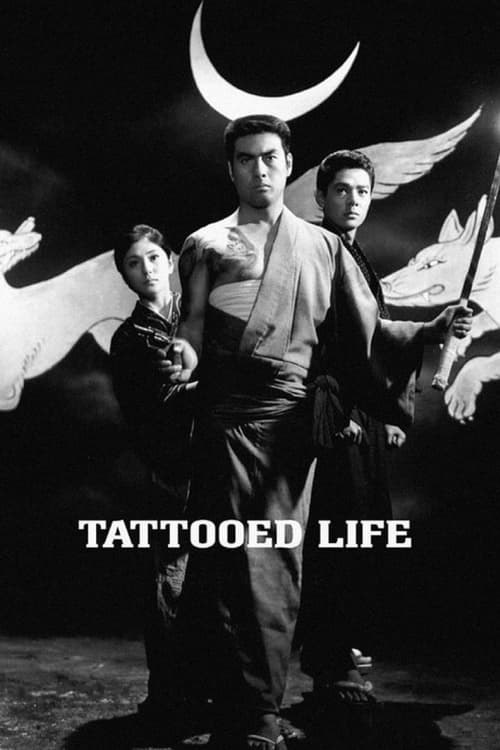
1965
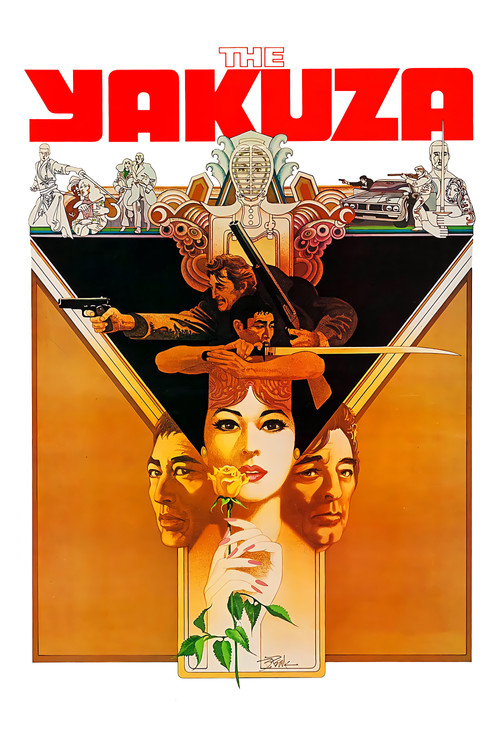
1974

1997
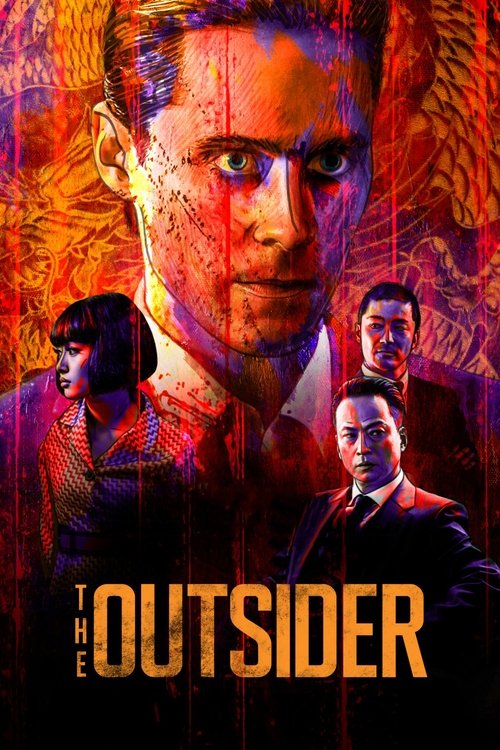
2018
No reviews yet. Be the first to share your thoughts on this movie!
Use the rating form above to leave a star rating and optional review.