
Doraemon: Ganbare! Gian!!
2001
No user ratings available yet
Representation score: 3.0 out of 10
Representation Score
Minimal
1981
Director
Takeyuki Kanda
Runtime
46 minutes
Average Rating
No ratings yetNew Showbiz Analysis
This 1981 Doraemon short primarily functions as a vehicle for cultural preservation. By retelling the Momotaro fable, the film leans heavily into established Japanese archetypes and traditional storytelling structures. The narrative lacks modern thematic reinterpretations or systemic deconstructions of identity. Instead, it adheres to the conventional social frameworks and historical hierarchies inherent in the source material. While the film offers high cultural specificity, it does not actively challenge social hierarchies or present diverse identities.
Category Breakdown
The film follows a traditional fable structure and does not include any non-cisgender identities or narratives that question the assumption that everyone is straight.
The story centers around a traditional hero's journey, likely reinforcing masculine leadership and established gender roles found in the Momotaro myth.
The film celebrates Japanese cultural heritage through a domestic myth but does not feature a diverse cast or disrupt ethnic homogeneity.
The story prioritizes traditional morality and cultural continuity, serving as a means to preserve classic Japanese folklore and storytelling traditions.
There is no information regarding the inclusion of characters with visible or invisible disabilities.
Present on Screen
Limited or Absent
Official Synopsis
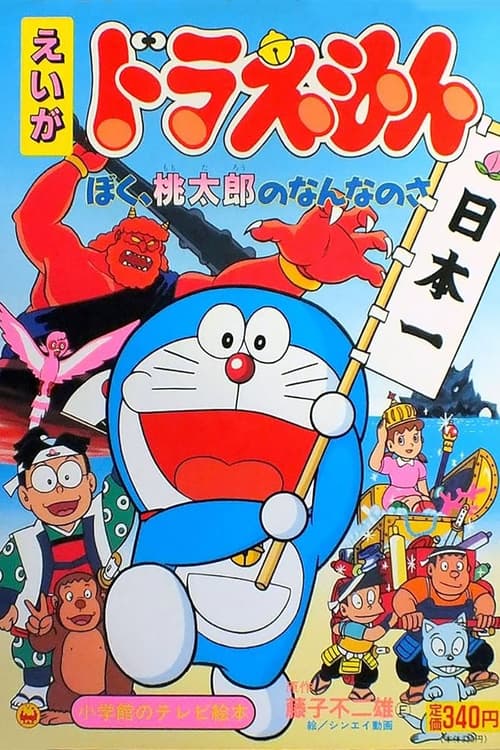
A short movie of Doraemon was released on August 1, 1981 in Japan. It is a retelling of the famous Japanese fable Momotaro.
2001
2002

1998
2000
1994

1980
1989
1983
No reviews yet. Be the first to share your thoughts on this movie!
Use the rating form above to leave a star rating and optional review.