
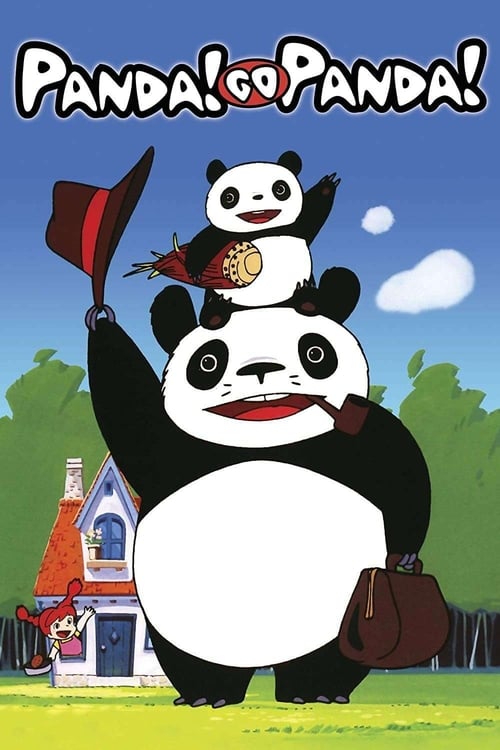
Panda! Go Panda!: Rainy Day Circus
1973
No user ratings available yet
Representation score: 4.4 out of 10
Representation Score
Minimal
1972
TV-Y7-FVDirector
Isao Takahata
Runtime
35 minutes
Average Rating
No ratings yetNew Showbiz Analysis
Panda! Go Panda! is primarily a stylistic, pop-art experiment that avoids engaging with human sociopolitical issues. By using anthropomorphic characters, the film sidesteps the complexities of human social structures, maintaining a neutral stance toward systemic issues. While it lacks the multi-layered complexity seen in later works, it avoids reinforcing stereotypes related to ethnicity and gender. The primary focus of the film is on whimsical storytelling and situational comedy, rather than a critical examination of power structures.
Category Breakdown
The film does not depict any non-cisgender identities or same-sex romantic relationships.
The film depicts traditional gender roles within a family structure, but it does not heavily emphasize these roles.
By using anthropomorphic animals, the film avoids depicting human racial diversity.
The film's setting is highly escapist and does not engage with religious or cultural institutions.
The film does not include any characters with disabilities.
Present on Screen
Limited or Absent
Official Synopsis
Cheerful Mimiko’s small family grows when she adopts a talking baby panda and his full-grown papa. Despite Mimiko's best efforts, the appearance of Panny and Papa Bear disrupts the quiet pace of life in town, prompting zookeepers to reclaim the escaped bear pair.
1973
1944

1997
1967
1959
1962
1947
1940
No reviews yet. Be the first to share your thoughts on this movie!
Use the rating form above to leave a star rating and optional review.