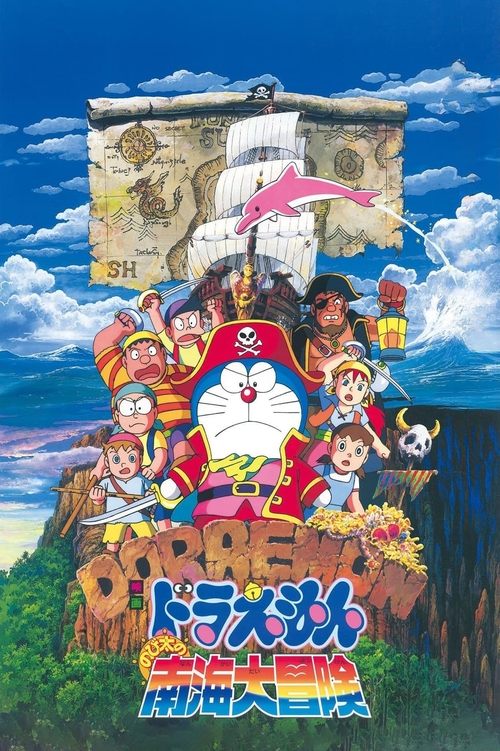
Doraemon: Nobita's Great Adventure in the South Seas
1998
No user ratings available yet
Representation score: 3.0 out of 10
Representation Score
Limited
1994
Director
Tsutomu Shibayama
Runtime
99 minutes
Average Rating
No ratings yetNew Showbiz Analysis
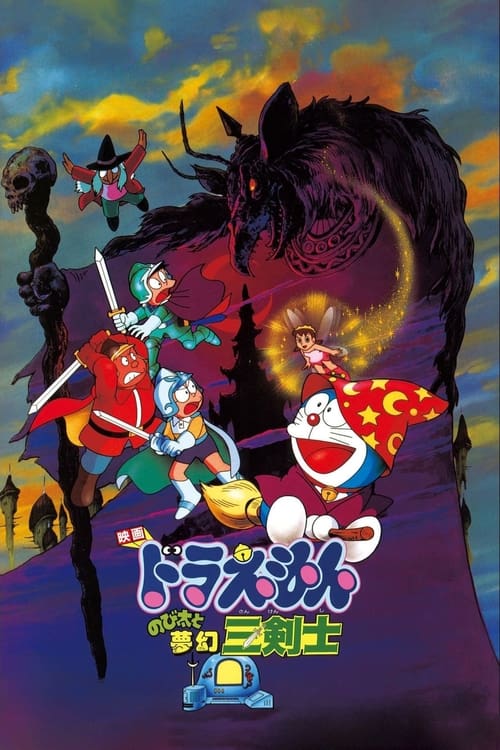
Doraemon: Nobita's Three Visionary Swordsmen exemplifies traditional genre storytelling. It prioritizes the continuity of established franchise dynamics over introducing subversive or multi-layered elements. The narrative structure reinforces social and moral certainties. By focusing on conventional heroism and stable identities, the film avoids deconstructing traditional hierarchies or promoting progressive social frameworks. Ultimately, the film functions as a culturally specific narrative that adheres to established studio standards and genre conventions rather than seeking to disrupt them.
Category Breakdown
The film follows a traditional structure that assumes everyone is straight or cisgender. There is no depiction of non-traditional gender identities or same-sex relationships.
Gender roles follow historical adventure clichés. While Shizuka plays a significant role, she often supports male characters who hold leadership positions.
The cast is homogeneous, reflecting established Japanese identities. The fantasy setting does not explore diverse ethnic or racial blending.
The story centers on traditional heroic morality, emphasizing the triumph of good over evil. It reinforces the stability of social structures without challenging institutional norms.
There is no significant focus on visible or invisible disabilities. Characters are portrayed through the lens of standard physical capabilities needed for an adventure narrative.
Present on Screen
Limited or Absent
Official Synopsis
Nobita is exhausted from having constant nightmares and pleads Doraemon to arrange a dream machine that will enable him to dream of anything he wishes for. As Nobita dreams of him and his friends in the roles of gallant musketeers, the dream world starts to break down due to a dark force, and Nobita will have to put his fantasy to the test and become a hero, both in the real world and imagined.
1998
1989
1991
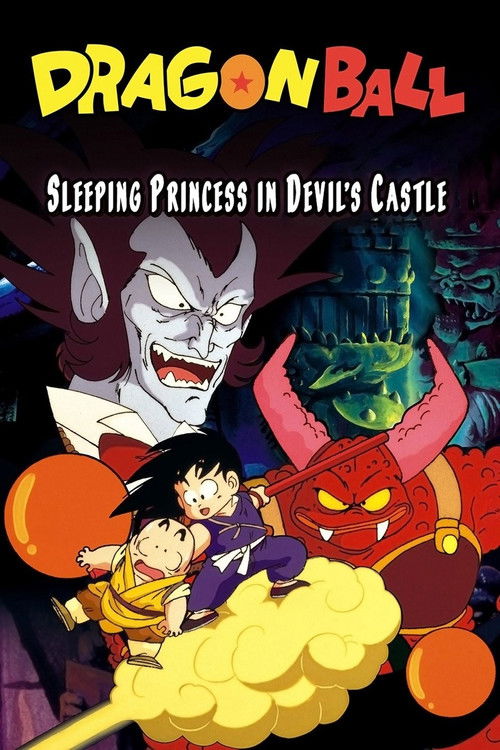
1987
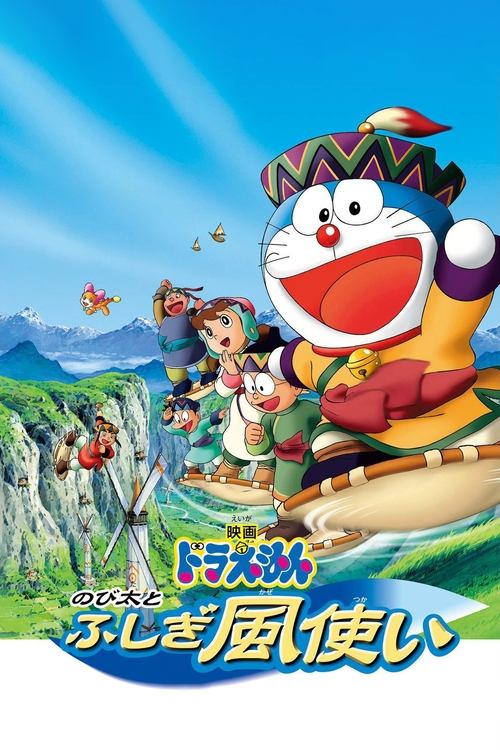
2003
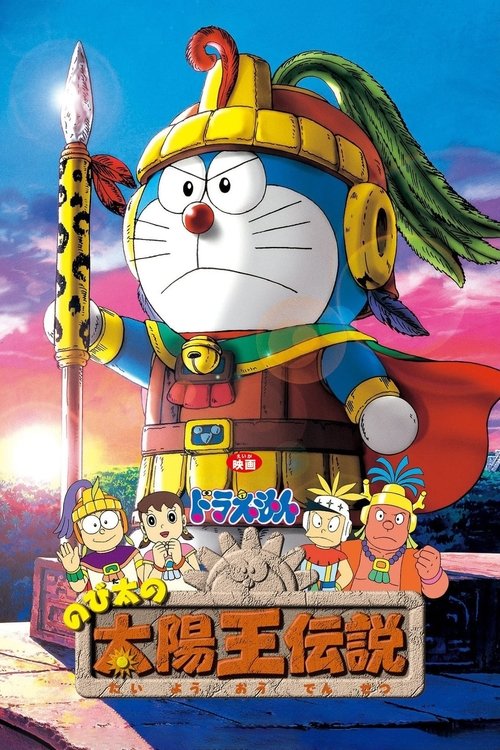
2000
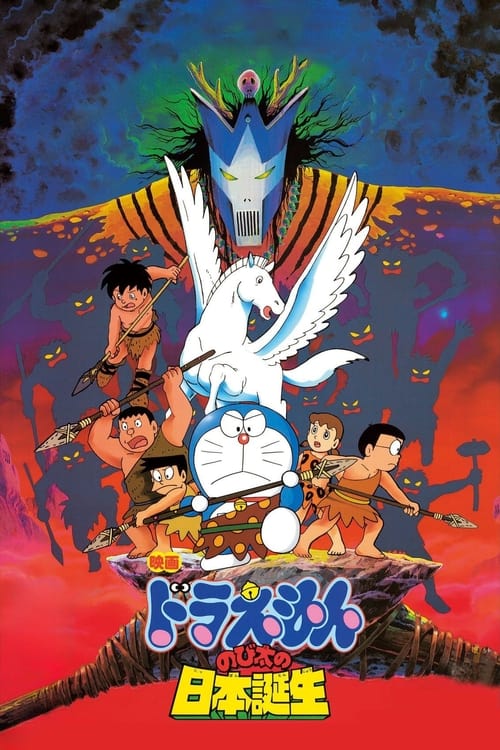
1989
2001
No reviews yet. Be the first to share your thoughts on this movie!
Use the rating form above to leave a star rating and optional review.