
Doraemon Comes Back
1998
No user ratings available yet
Representation score: 2.9 out of 10
Representation Score
Minimal
2000
Director
Ayumu Watanabe
Runtime
27 minutes
Average Rating
No ratings yetNew Showbiz Analysis
This animated feature explores intergenerational memory through time-travel mechanics to connect the protagonist to their family history. It upholds traditional social norms and cultural homogeneity by emphasizing the sanctity of the domestic bond and the preservation of memory. While emotionally resonant, the narrative lacks representation of diverse identities and reinforces established social hierarchies and a singular ethnic norm.
Category Breakdown
The film follows traditional character dynamics and does not include non-straight identities or stories that question the assumption that everyone is straight.
The narrative focuses on domestic and emotional themes. Female characters play significant roles in the emotional storyline but follow traditional social roles.
The setting is a homogeneous Japanese suburb. The cast reflects the cultural and ethnic consistency of the setting without any racial mixing.
The film highlights traditional values such as family continuity and respect for elders. It emphasizes the importance of the family unit as a core source of meaning.
There are no visible or invisible disabilities portrayed with ability to act. No characters have narratives shaped by neurodivergence or physical impairment.
Present on Screen
Limited or Absent
Official Synopsis
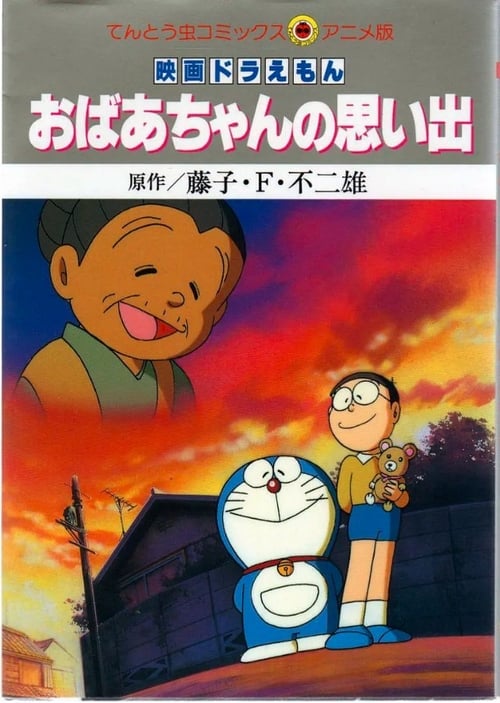
Nobita finds his old teddy bear among the trash after his mother partially cleaned up their shed and tells her not to throw it away. The stuffed animal is a precious gift from his beloved grandmother. Reminiscing about her makes Nobita ask Doraemon to take him back to when he was still three years old and his grandma was still alive. [edit]
1998
2020

1999
2014
2002

1981

2001
2008
No reviews yet. Be the first to share your thoughts on this movie!
Use the rating form above to leave a star rating and optional review.