Alice in Wonderland
1995
No user ratings available yet
Representation score: 3.8 out of 10
Representation Score
Limited
1983
Director
Norio Hikone
Runtime
61 minutes
Average Rating
No ratings yetNew Showbiz Analysis
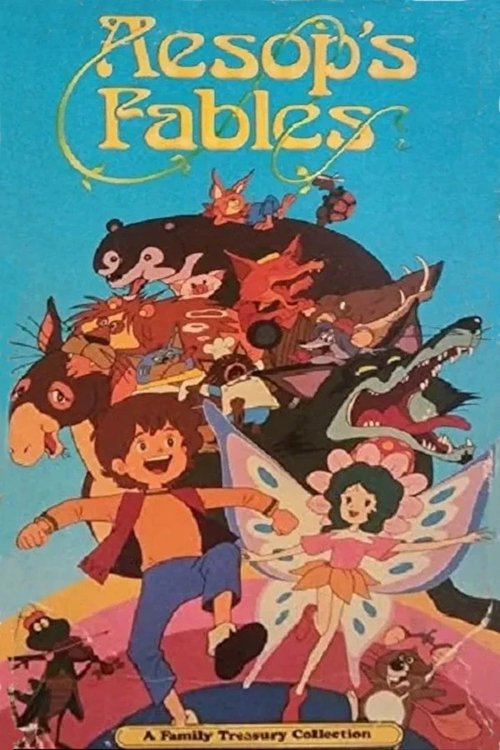
Aesop's Fables (1983) functions primarily as an educational tool rooted in the moral didacticism of 1980s Japanese animation. The film relies on the established structure of classical folklore to guide its protagonist through a series of trials and lessons. While the fantasy setting allows for a diverse cast of creatures and talking animals, the narrative remains conservative. It focuses on reinforcing traditional moral frameworks rather than challenging social hierarchies or exploring complex identity politics. The representation is largely centered on a singular male hero's journey, limiting gender diversity and the exploration of deeper identity issues.
Category Breakdown
The narrative follows a traditional coming-of-age structure centered on a single protagonist. There are no LGBTQ+ characters or identities that challenge heterosexuality or cisgender norms.
The plot focuses on Aesop, a young boy, as the primary driver of the journey. While fairies may offer feminine-coded characters, the film follows a conventional hero's journey.
The fantasy setting includes a multi-species world with fairies and talking donkeys. This non-human cast provides a framework for a diverse social structure, though specific layers of diversity are not explored.
The film uses a pedagogical structure to teach moral lessons through classical fables. It prioritizes moral clarity and conventional social values rather than deconstructing traditional institutions.
The story contains no mention of characters with visible or invisible disabilities. Consequently, there is no information regarding representation or the use of disability clichés.
Present on Screen
Limited or Absent
Official Synopsis
Aesop is a trouble-making young boy who finds himself in another world filled with creatures he never believed to exist, such as fairies and talking donkeys. He sets off to find a way back to the normal world. On his journey he befriends many classical creatures from well-known fables and encounters many trials, each teaching him a valuable lesson.
1995
2006
1990

1957
1985
1982

1985
1940
No reviews yet. Be the first to share your thoughts on this movie!
Use the rating form above to leave a star rating and optional review.