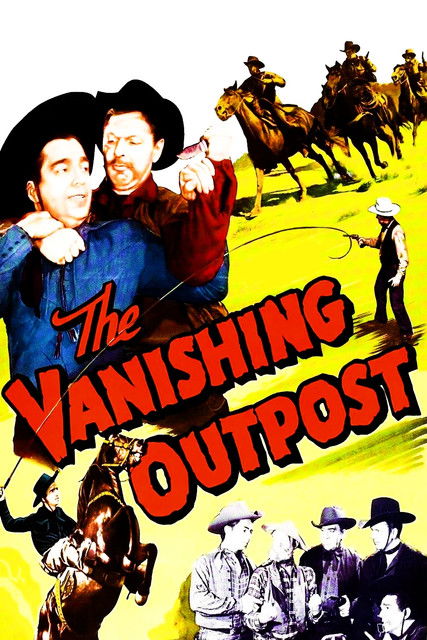
The Vanishing Outpost
1951
No user ratings available yet
Diversity score: 1.7 out of 10
1950
PassedDirector
Ron Ormond
Runtime
58 minutes
Average Rating
No ratings yetSynopsis
A whip-cracking federal marshal goes under cover as a masked bandit to ferret out a gold-bullion thief.
Overall Score
Limited
Category Breakdown
LGBTQ+ Representation
The film lacks any evidence of non-heteronormative identities. It appears to adhere strictly to the heteronormative social constraints typical of the 1950s.
Gender Representation
Agency is concentrated in a male federal marshal who drives the plot. This focus reinforces traditional gender hierarchies common to mid-century Westerns.
Racial & Ethnic Diversity
The narrative relies on standard marshal and bandit tropes. Without evidence of diverse casting, it likely reflects the homogeneous norms of the era.
Religious & Cultural Diversity
The story promotes the efficacy of Western institutions and the protection of property. It aligns with traditional values of patriotism and economic stability.
Disability Representation
There is no indication of characters with disabilities being integrated into the story. No characters with visible or invisible disabilities possess narrative agency.
Strengths
Areas for Improvement
AI Analysis
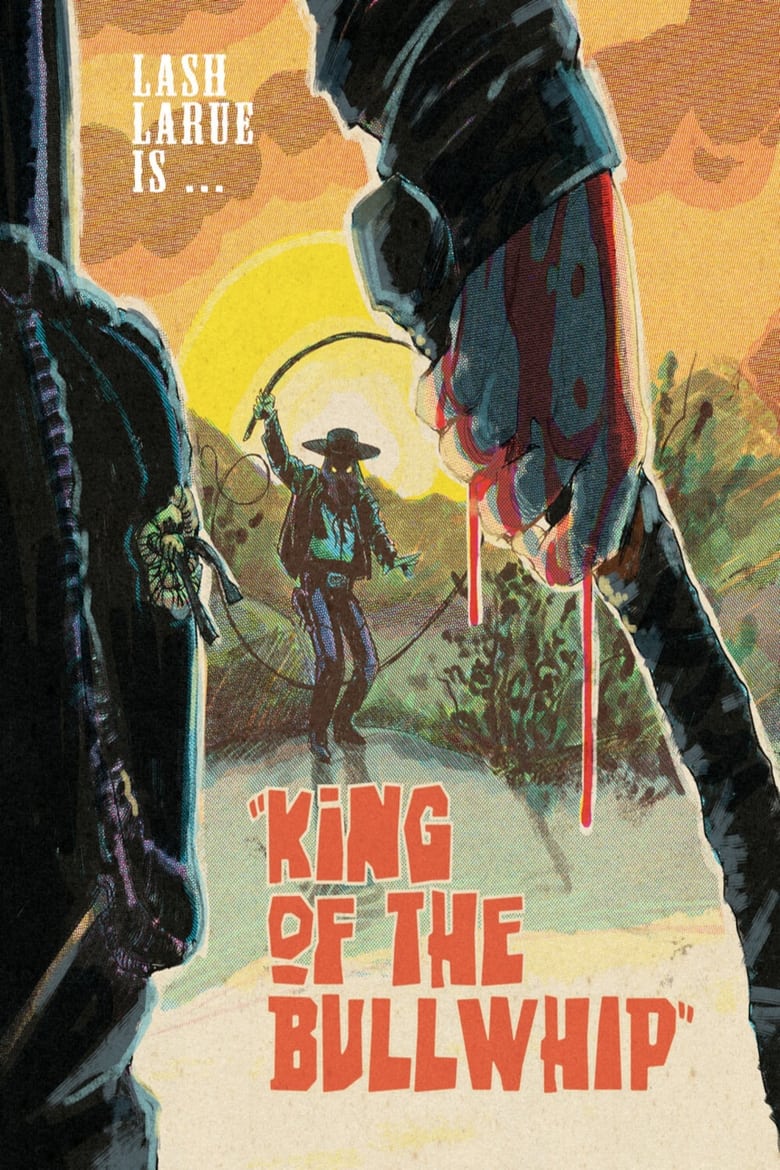
King of the Bullwhip is a conventional Western that prioritizes genre tropes over social complexity. The plot follows a standard hero-versus-outlaw framework centered on a federal marshal maintaining law and order. The film reinforces established social hierarchies and institutional stability. It functions as a product of its era, utilizing traditional narrative structures rather than offering nuanced or intersectional perspectives. Ultimately, the production lacks the intentionality needed to disrupt social norms, instead leaning into the mid-century studio system's preference for homogeneous casting and traditional archetypes.
1951
1950
1942
1938
1936

1929
1937
1939
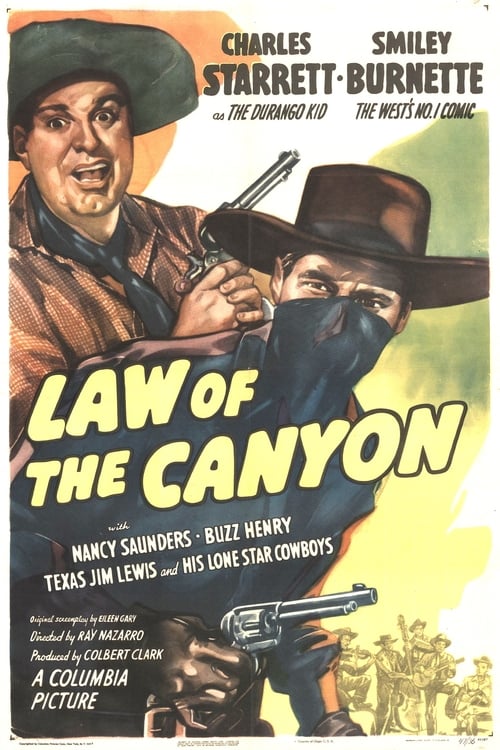
1947
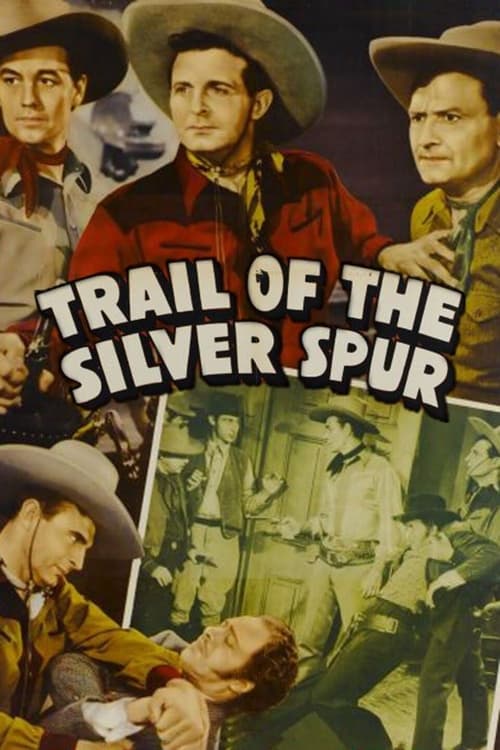
1941
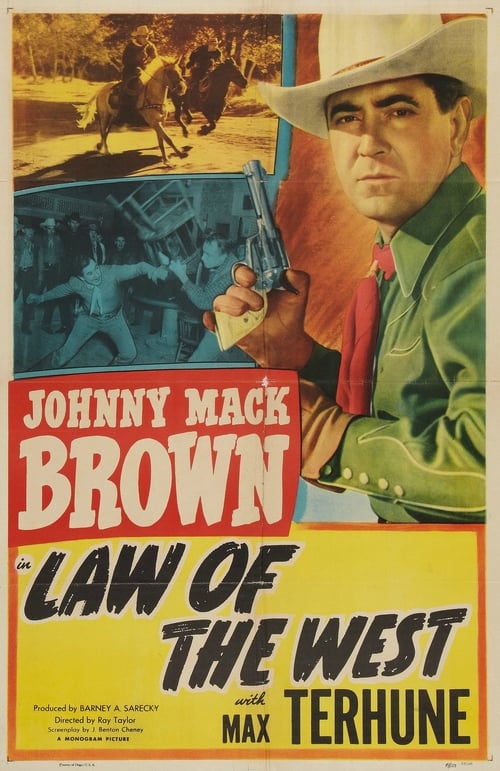
1949
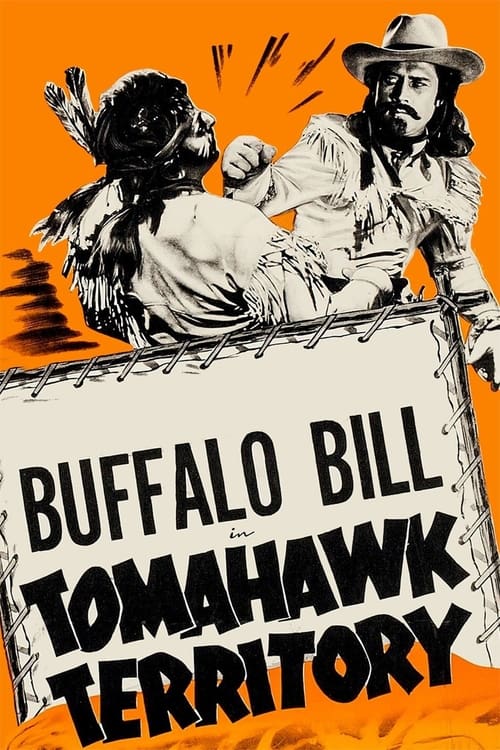
1952
No reviews yet. Be the first to share your thoughts on this movie!
Use the rating form above to leave a star rating and optional review.