Gamera, the Giant Monster
1965
No user ratings available yet
Representation score: 3.0 out of 10
Representation Score
Limited
1966
GDirector
Ishirō Honda
Runtime
88 minutes
Average Rating
No ratings yetNew Showbiz Analysis
The film prioritizes large-scale spectacle and biological horror over character-driven social commentary. The narrative centers on the kinetic conflict between Sanda and Gaira, which inherently sidelines the development of diverse human identities. While the work disrupts human dominance over the environment, it relies on traditional genre clichés. It functions as a study of nature's volatility rather than a vehicle for progressive social exploration. Ultimately, the focus on non-human ability to act and institutional responses to catastrophe leaves little room for characters who reflect more than one aspect of diversity.
Category Breakdown
The film does not include any LGBTQ+ characters or themes. The plot focuses entirely on the biological drives of the monsters and military logistics.
The film emphasizes male-coded military and scientific hierarchies. There is a lack of significant female presence in decision-making roles or subversion of gendered power.
The cast is predominantly ethnically homogeneous, reflecting its Japanese setting. It avoids harmful racial caricatures while operating within its specific cultural and temporal context.
The story explores urban fragility and systemic collapse. However, it does not explicitly critique Western institutions, capitalism, or religious structures.
There is no meaningful representation of neurodivergence or physical disability. Characters are depicted as able-bodied agents of the state or scientific community.
Present on Screen
Limited or Absent
Official Synopsis
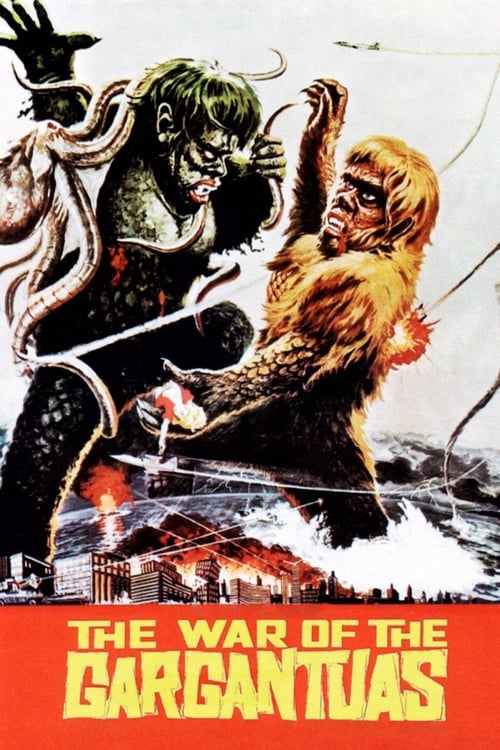
Gaira, a humanoid sea beast spawned from the discarded cells of Frankenstein's monster, attacks the shores of Tokyo. While the Japanese military prepares to take action, Gaira's Gargantua brother, Sanda, descends from the mountains to defend his kin. A battle between good and evil ensues, leaving brothers divided and a city in ruins.
1965
1968
1959
1964

1989
1956

1970
1955
No reviews yet. Be the first to share your thoughts on this movie!
Use the rating form above to leave a star rating and optional review.