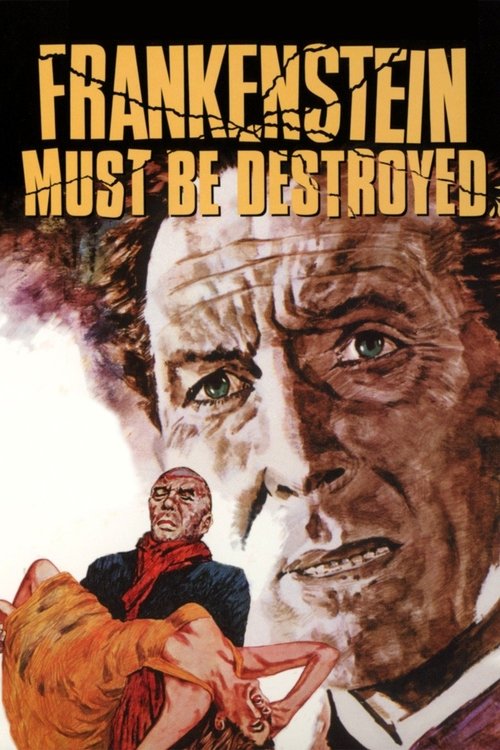
Frankenstein Must Be Destroyed
1969
No user ratings available yet
Representation score: 1.7 out of 10
Representation Score
Limited
1964
ApprovedDirector
Freddie Francis
Runtime
87 minutes
Average Rating
No ratings yetNew Showbiz Analysis
The film is a quintessential product of the 1960s Hammer Horror tradition, prioritizing genre clichés over social disruption. It operates within established mid-century hierarchies regarding race, gender, and sexuality. While the narrative offers intellectual subversion by pitting scientific advancement against religious morality, this remains confined to the 'mad scientist' archetype. It lacks the multi-layered complexity needed to challenge systemic power dynamics. Ultimately, the production reflects a homogeneous social landscape, offering little representation outside of conventional Western frameworks.
Category Breakdown
The film strictly follows the assumption that everyone is straight or cisgender. There is no depiction of non-assuming gender matches what was assigned at birth gender identities or same-sex relationships.
Female characters mainly serve as romantic interests, victims, or figures needing protection. The film reinforces traditional gender roles and lacks significant female influence.
The cast is predominantly white and European. The setting reflects a homogeneous social landscape with no notable inclusion of non-Anglo-Saxon characters.
The story explores tension between scientific inquiry and established moral authorities. It uses the mad scientist cliché to critique conventional ethical and religious boundaries.
The creature is portrayed through the traditional horror cliché of the 'monstrous other.' Its physical state serves the plot rather than exploring nuanced ability to act.
Present on Screen
Limited or Absent
Official Synopsis
Once hounded from his castle by outraged villagers for creating a monstrous living being, Baron Frankenstein returns to Karlstaad. High in the mountains they stumble on the body of the creature, perfectly preserved in the ice. He is brought back to life with the help of the hypnotist Zoltan who now controls the creature. Can Frankenstein break Zoltan's hypnotic spell that incites the monster to commit these horrific murders or will Zoltan induce the creature to destroy its creator?
1969

1974
1960
1960
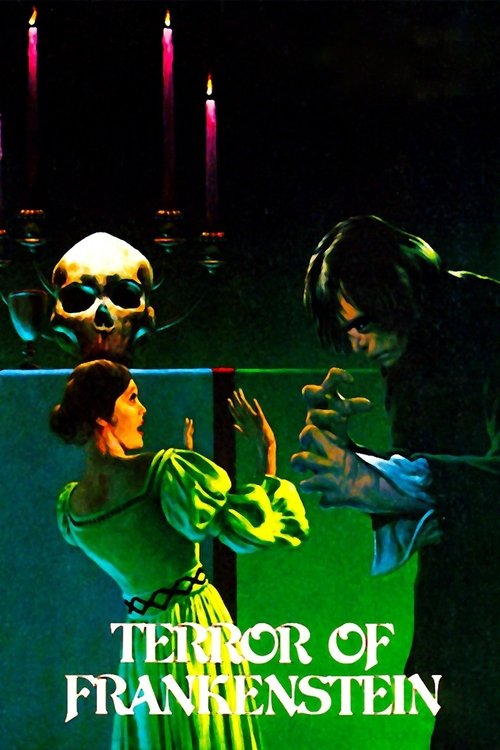
1977
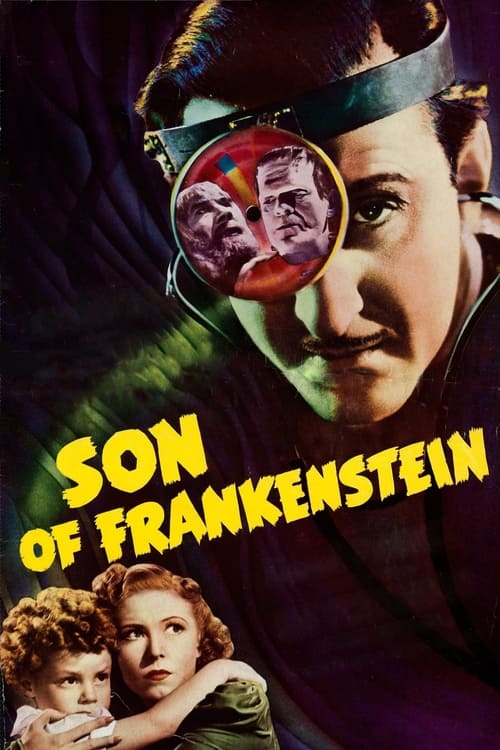
1939
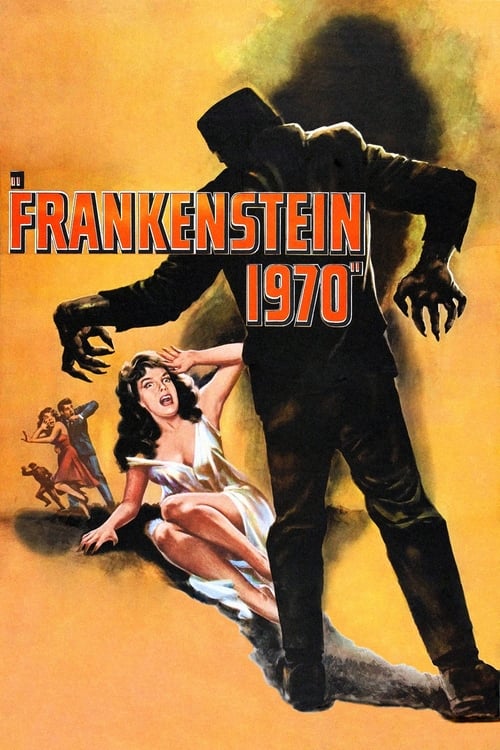
1958
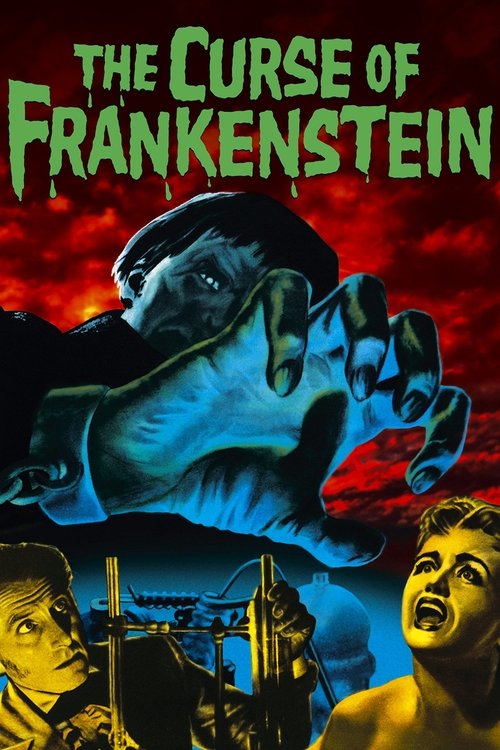
1957
No reviews yet. Be the first to share your thoughts on this movie!
Use the rating form above to leave a star rating and optional review.