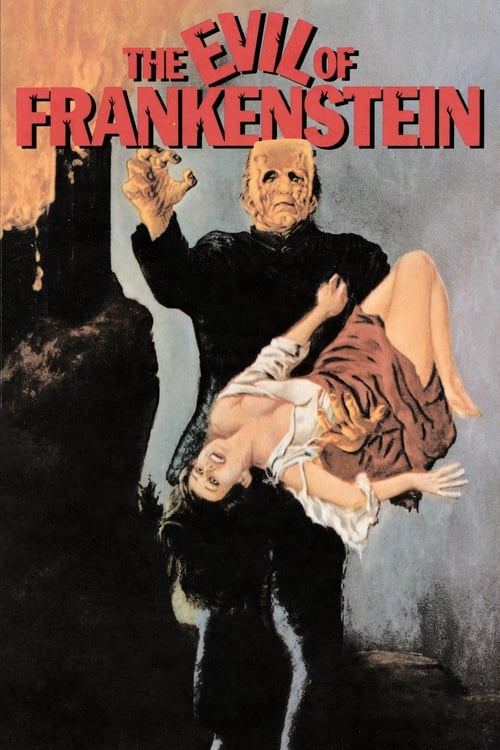
The Evil of Frankenstein
1964
No user ratings available yet
Representation score: 3.2 out of 10
Representation Score
Fair
1972
TV-14Director
Miguel M. Delgado
Runtime
97 minutes
Average Rating
No ratings yetNew Showbiz Analysis
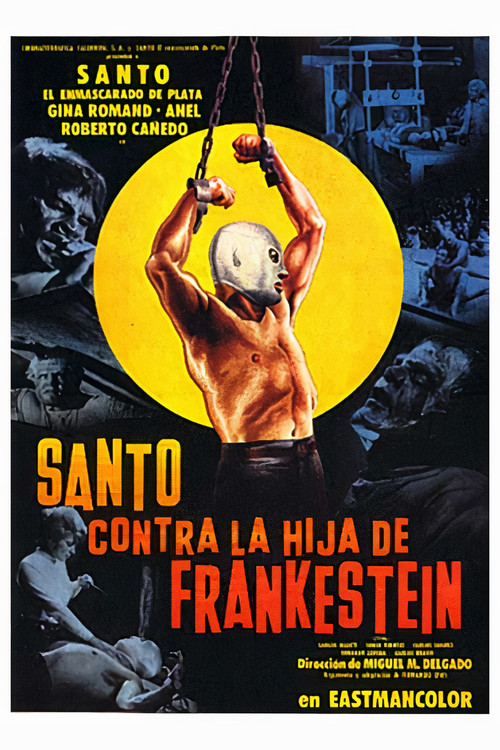
The film stands out by featuring a Mexican icon in a sci-fi horror setting, challenging the predominantly Western perspective of the genre. While it offers a strong cultural shift, it still leans on traditional gender stereotypes. The lack of LGBTQ+ representation and characters with disabilities limits its inclusivity.
Category Breakdown
The movie doesn't include any characters with non-binary gender identities or challenge the idea that everyone is straight.
Dr. Frankenstein is a strong female character with significant scientific influence. However, she is portrayed as a 'mad scientist,' which limits the depth of gender representation.
The film features a Mexican icon named El Santo, disrupting the Eurocentric norm in horror. This gives a prominent role to a non-white lead in a traditionally Western genre.
The story emphasizes scientific ethics over religious beliefs, offering a non-Western perspective in science fiction.
The film does not include characters dealing with physical or neurological disabilities.
Present on Screen
Limited or Absent
Official Synopsis
Dr. Frankenstein and her assistant, Dr. Yanco, are going to bring one of their experiments to life in Santo Vs. Frankenstein's Daughter. She intends to use a monster named Ursus to do her evil bidding. Using a youth serum to retain their vitality, the doctors set their sights upon none other than El Santo. They need his super human blood to regenerate a stronger youth serum. They kidnap Santo's goddaughter, Norma and lure him into Dr. Frankenstein's lab where he is captured and enslaved. Will Santo make it out alive?
1964

1974
1958
1969

1971
1962
1969

1958
No reviews yet. Be the first to share your thoughts on this movie!
Use the rating form above to leave a star rating and optional review.