Swing Hostess
1944
No user ratings available yet
Representation score: 1.8 out of 10
Representation Score
Limited
1944
NRDirector
Alberto Cavalcanti
Runtime
105 minutes
Average Rating
No ratings yetNew Showbiz Analysis
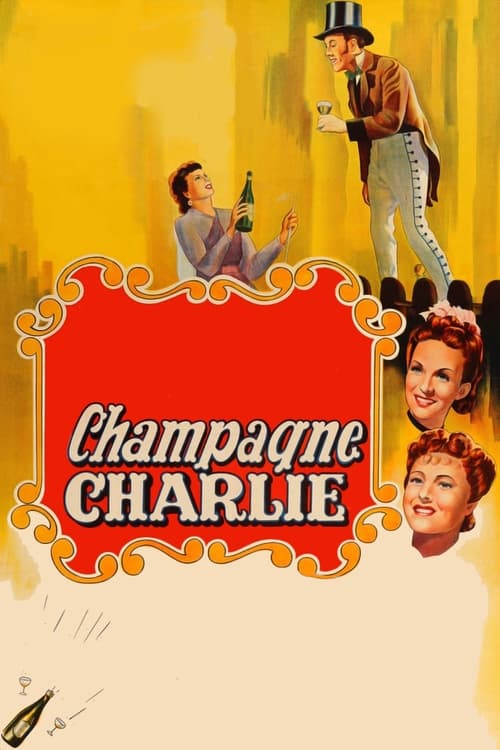
Champagne Charlie is a socioeconomically focused period piece that captures the cultural atmosphere of the London music hall era. Alberto Cavalcanti’s background in documentary filmmaking provides a humanistic perspective on the struggles of working-class performers. However, the film operates as a traditional historical drama. It prioritizes individual ambition and professional rivalry over the deconstruction of systemic social hierarchies. Ultimately, the production remains centered on a localized, Anglo-centric viewpoint, providing a grounded look at a specific era without embracing multi-layered identity politics.
Category Breakdown
The film does not explicitly feature LGBTQ+ narratives or non-cisgender identities. Although the music hall era often used camp aesthetics, the story focuses on competition among performers rather than highlighting LGBTQ+ identities.
The story centers on male performers competing for fame in a traditional period setting. Women do not seem to have much influence or challenge patriarchal hierarchies.
The film reflects the homogeneous demographics of late 19th and early 20th-century London. There is no significant representation of non-white characters or race-bent casting.
The film offers a moderate view of working-class entertainment culture. It emphasizes the gritty nature of the music hall over high art, but it does not have strong secular or anti-capitalist messages.
There is no evidence of the portrayal of physical or neurodivergent disabilities in the film.
Present on Screen
Limited or Absent
Official Synopsis
A man from the countryside becomes London’s newest music hall sensation, and competes with a rival music hall performer for the audience’s attention.
1944
1936
1940
1951

1937
1939

1949

1930
No reviews yet. Be the first to share your thoughts on this movie!
Use the rating form above to leave a star rating and optional review.