Pennies from Heaven
1936
No user ratings available yet
Representation score: 2.3 out of 10
Representation Score
Fair
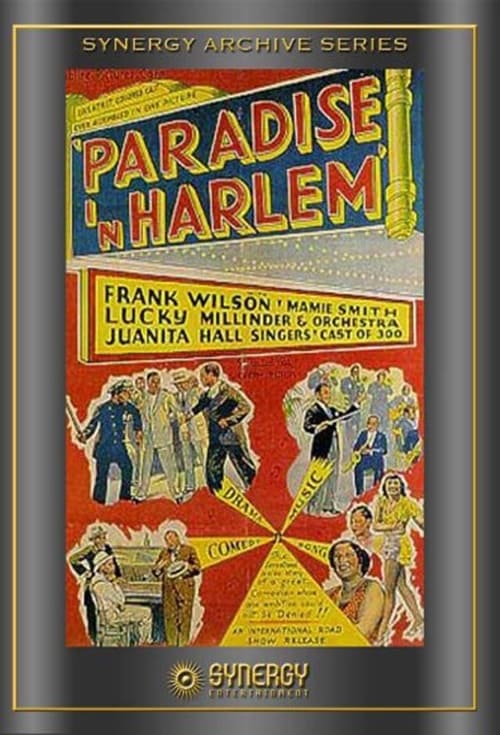
1939
Director
Joseph Seiden
Runtime
85 minutes
Average Rating
No ratings yetNew Showbiz Analysis
Paradise in Harlem stands out for its focus on a Black protagonist during a time when such representation was often limited to stereotypes. By highlighting a Black comedian's goal to perform Shakespeare, the film emphasizes professional ambition and cultural complexity. However, the film lacks depth in representing multiple aspects of identity. The narrative is heavily centered on a male protagonist, and there is no visible representation of LGBTQ+ identities or disability. Ultimately, the film's strength lies in its specific cultural and racial context, despite being constrained by the social and narrative norms of 1939.
Category Breakdown
The film does not show any non-straight or non-cisgender identities or same-sex relationships. Given the time period, the story follows the social norms of the era.
The story focuses on Lem Anderson, a male protagonist dealing with professional and criminal issues. Despite the presence of female performers in Vaudeville, there are no specific female character arcs that drive the plot.
The film centers around a Black protagonist and uses the Harlem Vaudeville circuit. It avoids stereotypical caricatures by highlighting the professional ambitions and Shakespearean aspirations of a Black performer.
The narrative explores the tension between high art and the local Harlem reality. It shows an artist navigating systemic pressures and the influence of organized crime within his community.
There is no mention of characters dealing with physical, neurodivergent, or mental health conditions within the available narrative details.
Present on Screen
Limited or Absent
Official Synopsis
It is the story of a comedian Lem Anderson who dreams of playing in Shakespeare scenes but he is applied only role in Harlem Vaudeville. One day he is the witness of a crime and the mobster strongly advised him to leave the town...
1936
1933
1951

1930
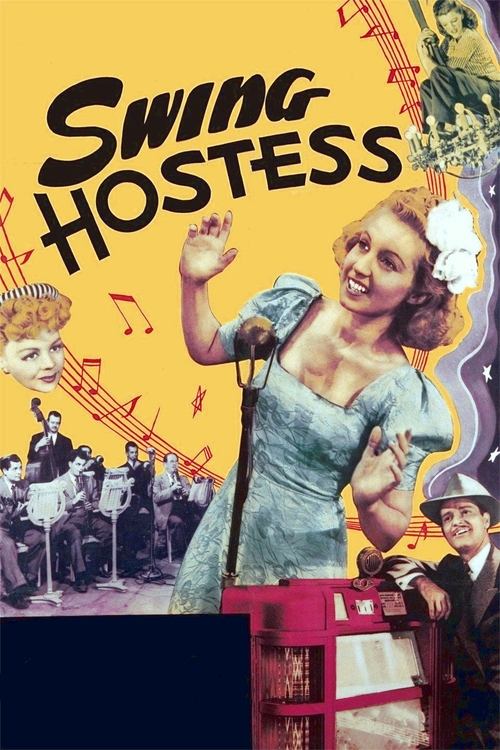
1944
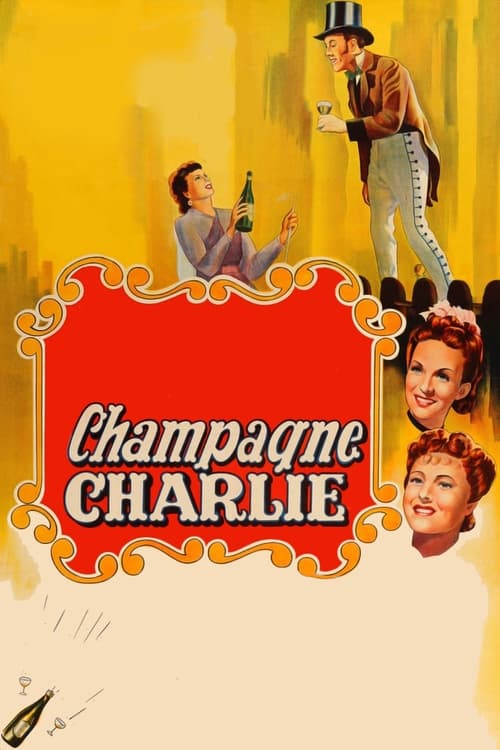
1944
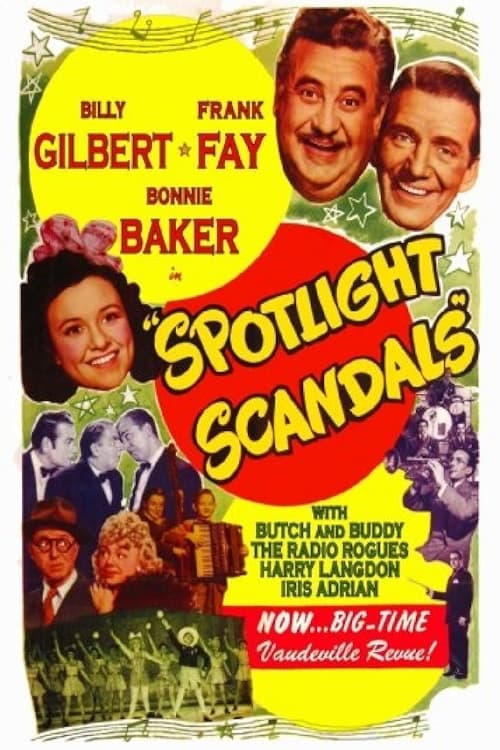
1943
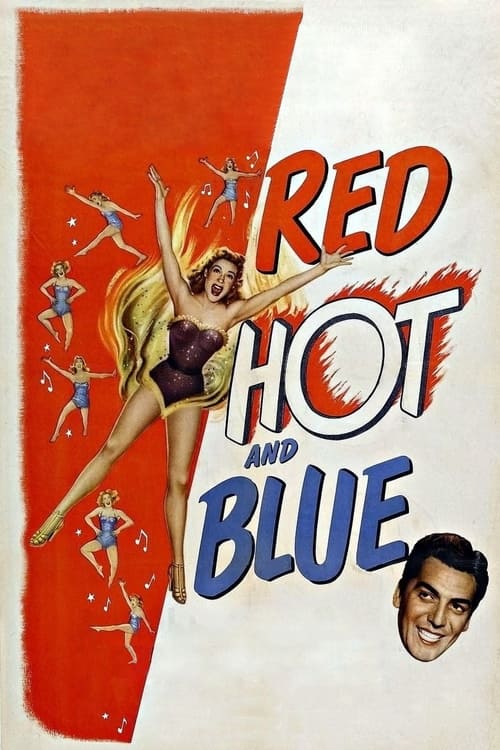
1949
No reviews yet. Be the first to share your thoughts on this movie!
Use the rating form above to leave a star rating and optional review.