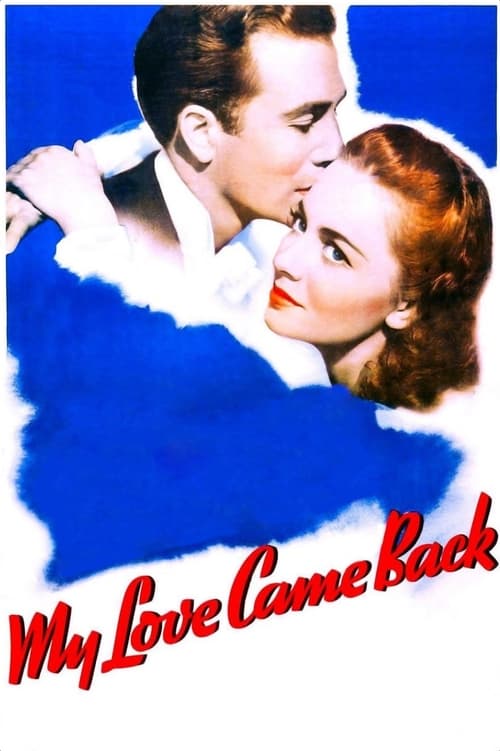
My Love Came Back
1940
No user ratings available yet
Representation score: 0.4 out of 10
Representation Score
Minimal
1936
ApprovedDirector
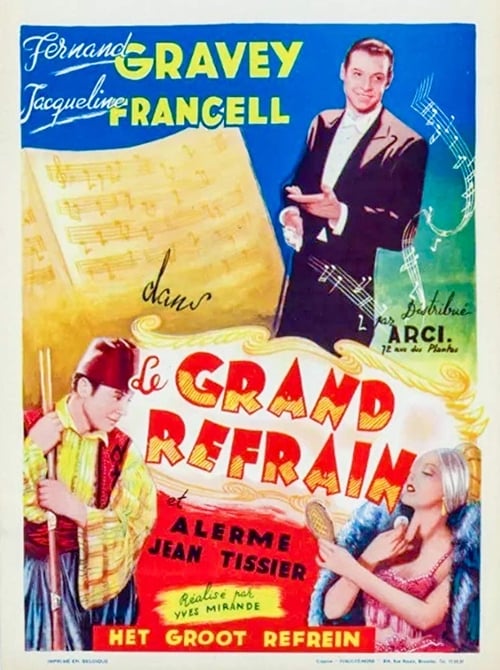
Yves Mirande, Robert Siodmak
Runtime
90 minutes
Average Rating
No ratings yetNew Showbiz Analysis
Symphonie D'Amour is a typical musical comedy of its time, reflecting the social and narrative structures of 1930s European cinema. The plot follows a conventional path of professional struggle and romantic resolution. The film does not actively disrupt traditional norms. Instead, it relies on established archetypes, such as the struggling artist and the aristocratic patron, to advance its musical narrative. Ultimately, the work serves as a standard genre piece of its era, prioritizing traditional success stories over diverse or subversive representation.
Category Breakdown
The film focuses on a traditional romantic relationship between Panard and Jacqueline. It does not include non-binary gender identities or critiques of the assumption that everyone is straight or cisgender, sticking to 1930s musical conventions.
Jacqueline plays a crucial role in Panard's success by securing support from the aristocracy. Although she shows initiative, the power dynamics are still rooted in traditional social structures.
The film features a predominantly European cast. There is no indication of racial diversity or challenging Eurocentric casting norms.
The story highlights traditional social structures and the influence of the aristocracy. It reinforces conventional views of romance and social stability through its conclusion.
There are no visible or hidden disabilities portrayed among the main characters.
Present on Screen
Limited or Absent
Official Synopsis
A ten-year old film when it was first released in the USA as "Symphonie D'Amour" in 1946. Panard (Fernand Gravet) is a talented composer who is having little success in his musical career. He is reduced to hiring out as a sandwich-board man to advertise what proves to be his own show. His girl, Jacqueline Francell, interests a Marquis in backing the show. She and Panard are happily reunited after the successful opening of his operetta.
1940
2015
1944
1933
1951
1944
1962
1949
No reviews yet. Be the first to share your thoughts on this movie!
Use the rating form above to leave a star rating and optional review.