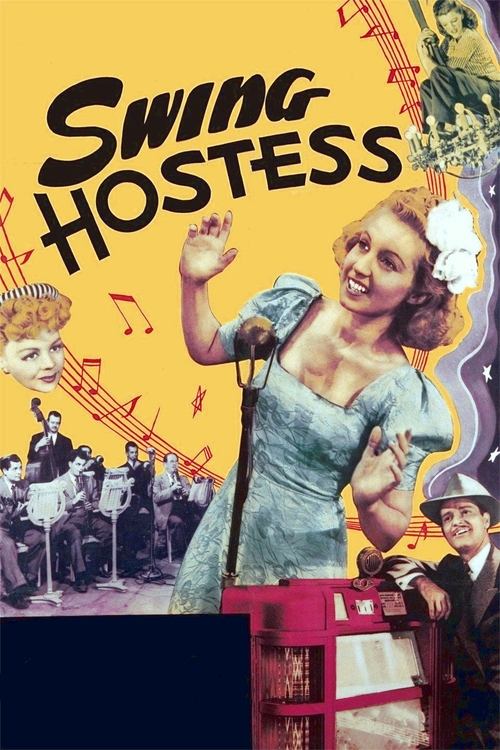
Swing Hostess
1944
No user ratings available yet
Representation score: 1.8 out of 10
Representation Score
Minimal
1940
NRDirector
Curtis Bernhardt
Runtime
85 minutes
Average Rating
No ratings yetNew Showbiz Analysis
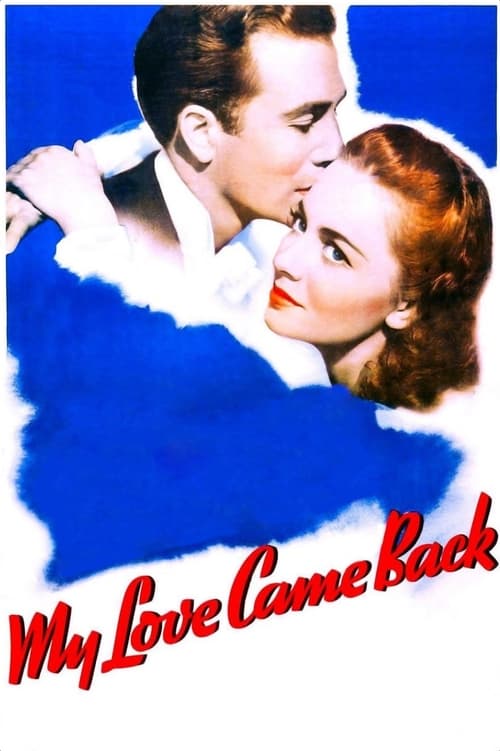
My Love Came Back is a traditional studio melodrama that prioritizes conventional narrative arcs and established social hierarchies. It functions as a period piece that reinforces the era's emphasis on romantic stability and the preservation of social order. The film does not attempt to disrupt conventional expectations regarding gender or racial roles. Instead, it centers on individual emotional consequences rather than exploring multiple aspects of identity or systemic power dynamics. Ultimately, the production adheres to the mid-century Hollywood framework, focusing on a middle-to-upper-class social milieu without challenging the status quo.
Category Breakdown
The film follows a typical romantic storyline without addressing non-traditional gender identities or narratives that challenge the assumption that everyone is straight or cisgender.
Amelia demonstrates professional skill as a violinist but her story revolves around male characters. The plot is driven by male-led financial and social schemes.
The production reflects the homogeneous casting standards of 1940s Hollywood, with no evidence of racial blending or non-Anglo-Saxon characters in central roles.
The narrative emphasizes individual guilt and romantic resolution, reinforcing social propriety and emotional reconciliation within established Western norms.
There are no visible or invisible disabilities portrayed as central to the character arcs. Disabilities are not used as significant narrative devices.
Present on Screen
Limited or Absent
Official Synopsis
Amelia is a gifted violinist who is in danger of quitting the Brissac Academy of Music. Julius arranges to have a scholarship given to her through his employee Tony so that Julius can escort Amelia to every musical event in the city. The trouble begins when he cannot meet her one night and Tony goes in his place. Tony believes that Julius and Amelia are a couple and then son Paul thinks that Tony and Amelia are a couple as he is sending her the money. The worst part is that Amelia might leave classical music for swing music with classmates Dusty, Joy and the band.
1944
1937
1936
1935
1944
1933
1934
1951
No reviews yet. Be the first to share your thoughts on this movie!
Use the rating form above to leave a star rating and optional review.