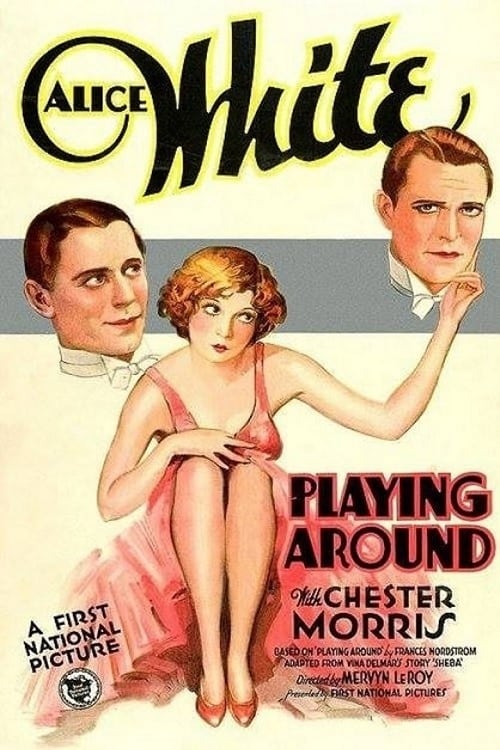
Playing Around
1930
No user ratings available yet
Representation score: 1.4 out of 10

Representation Score
Limited
1930
NRDirector
Mervyn LeRoy
Runtime
77 minutes
Average Rating
No ratings yetNew Showbiz Analysis
Show Girl in Hollywood presents a period-specific character study that offers a modest disruption of gendered power dynamics. By centering a female protagonist's role against a backdrop of systemic industry corruption, it moves beyond simple clichés of female sacrifice. However, the film remains largely constrained by the demographic homogeneity of early 1930s cinema. It lacks meaningful representation of LGBTQ+ identities, racial diversity, or disability, reflecting the standard studio practices of its era. Ultimately, while the protagonist's ego and ambition provide a compelling look at female drive, the film's social scope is limited by the era's narrow focus on individual success within existing power structures.
Category Breakdown
The film does not include any documented LGBTQ+ characters or narratives. Production standards of the 1930s typically favored heterosexual relationships over other sexual orientations.
The story revolves around a female protagonist navigating a male-dominated industry. Her ambition and struggles against sleazy directors suggest a departure from traditional, submissive female roles.
The film likely reflects the era's lack of racial integration. Without evidence of a diverse cast, it appears to follow the homogeneous casting patterns of early 1930s studio comedies.
The narrative critiques the corrupt side of the Hollywood machine. However, it focuses on individual stardom and success within a capitalist framework rather than a broader systemic critique.
There is no verifiable evidence of characters with physical or neurodivergent disabilities in this production.
Present on Screen
Limited or Absent
Official Synopsis
Broadway actress leaves New York to become a star in Hollywood, and succeeds despite sleazy directors and her own ego.
1930

1933
1929
1943
1944
1939
1930
1935
No reviews yet. Be the first to share your thoughts on this movie!
Use the rating form above to leave a star rating and optional review.