Palindrome
1969
No user ratings available yet
Representation score: 0.6 out of 10
Representation Score
Minimal
1994
Director
Stan Brakhage, Phil Solomon
Runtime
33 minutes
Average Rating
No ratings yetNew Showbiz Analysis
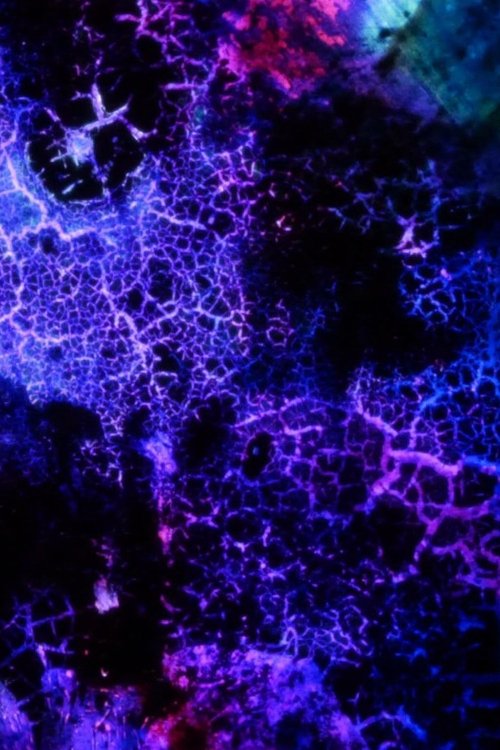
Elementary Phrases is a formalist exploration of light, color, and texture. It relies on hand-painted film strips and rhythmic optical printing, operating entirely through abstraction rather than representation. The film bypasses systemic frameworks by eschewing traditional characterization, dialogue, and plot. It does not engage with identity-based clichés or social hierarchies, as there are no human subjects present to inhabit them. While the work disrupts conventional cinematic grammar, it does so through visual experimentation rather than identity-based storytelling. It exists outside the realm of traditional social dynamics.
Category Breakdown
The film does not feature any characters, dialogue, or narrative arcs related to LGBTQ identities. It is an abstract animation that focuses on light, color, and texture without addressing gender identity or sexual orientation.
The film does not include human subjects or gendered personas. It does not reinforce or challenge traditional gender hierarchies since there are no characters to embody these roles.
The film uses hand-painted textures and abstract shapes instead of human likenesses. It avoids racial stereotypes through abstraction but does not provide diverse casts or ethnic narratives.
The work aligns with postmodern formalist values by rejecting linear storytelling and institutional structures. It critiques traditional narrative consumption through its non-linear experience.
There are no characters depicted within the film. This precludes any engagement with neurodivergence or physical disabilities.
Present on Screen
Limited or Absent
Official Synopsis
Colleagues at the University of Colorado at Boulder, the two began with strips of film Brakhage had painted on by hand, photographing them frame by frame with Solomon’s optical printer. They often printed two strips of film together, some of them containing images taken by Solomon, then chose from the images what Brakhage says “seemed to us natural phrases,” which Brakhage arranged into the final form. The result is a 40-minute silent film in which occasional hints of photographic images sometimes seem to peek through largely abstract shapes.
1969

1967
1953

1959
1946
1981
1993
1963
No reviews yet. Be the first to share your thoughts on this movie!
Use the rating form above to leave a star rating and optional review.