
Diary
1974
No user ratings available yet
Representation score: 3.8 out of 10
Representation Score
Fair
1997
Director
Robert Breer
Runtime
5 minutes
Average Rating
No ratings yetNew Showbiz Analysis
Robert Breer’s *Time Flies* is a formalist experiment that prioritizes impressionistic meditation over character-driven drama. Since the film operates through a collage of personal photos and fragmentary drawings, traditional measures of representation like character roles are not applicable. The work disrupts standard cinematic expectations by rejecting conventional narrative arcs. It avoids reinforcing social hierarchies or archetypes by focusing on the materiality of memory rather than social roles. Ultimately, the film offers artistic autonomy through its refusal to adhere to standardized storytelling clichés. It presents a fragmented, subjective reality that favors individual perception over institutional frameworks.
Category Breakdown
The film doesn't show specific LGBTQ characters or relationships. However, its focus on fragmented memories allows for interpretations that go beyond traditional family stories.
The film avoids traditional gender roles by not defining characters in social roles. Instead, it focuses on everyday events that don't follow typical masculine or feminine stereotypes.
The use of personal photos suggests a very personal perspective. While the racial makeup of the subjects isn't confirmed, the film's approach prioritizes unique imagery over a uniform standard.
The film highlights individual perception over institutional or religious frameworks. By including the director's hand, it critiques polished, consumerist presentations of reality through postmodern techniques.
There are no characters with visible or invisible disabilities in the film.
Present on Screen
Limited or Absent
Official Synopsis
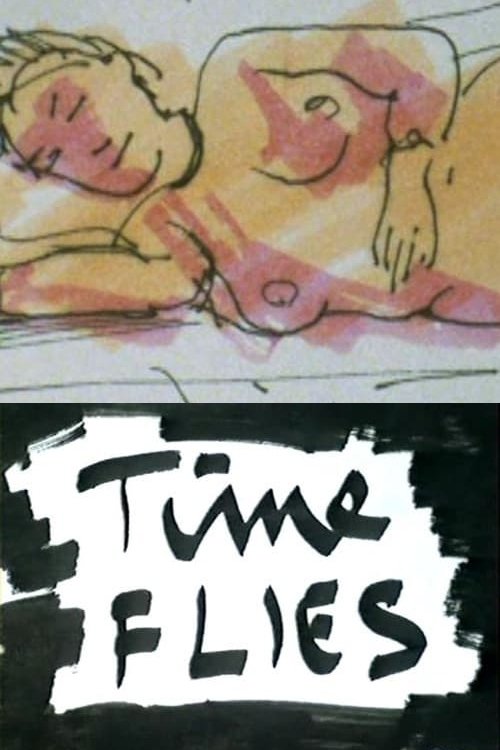
Personal photos are interspersed with fragmentary drawings and flashes of colour, observed and/or remembered everyday events - all of which add to a general sense of reminiscence. Sometimes a hand appears (Breer’s own) on top of a photo, reminding us that the photo is but an object in the film, not the film itself.
1974
1983
1964
2002

1959
1994
2009
1973
No reviews yet. Be the first to share your thoughts on this movie!
Use the rating form above to leave a star rating and optional review.