Anthology No. 1
1964
No user ratings available yet
Representation score: 5.0 out of 10
No Poster Available
Representation Score
Good
1964
Director
Tadanori Yokoo
Runtime
2 minutes
Average Rating
No ratings yetNew Showbiz Analysis
Tadanori Yokoo’s experimental animation uses collage to challenge the rigid structures of mid-century media. By repurposing pop-culture icons, the film creates a space for subjective, non-traditional experiences that question conventional narrative norms. The work excels at breaking down traditional hierarchies, particularly around gender and romantic clichés. Its strength lies in using fragmented imagery to explore intimacy outside standard social frameworks. However, the reliance on comic book aesthetics suggests a potential bias towards Western-centric visual standards. The specific racial diversity of the characters remains unclear.
Category Breakdown
The film uses a collage of comic book characters to challenge traditional storytelling focused on straight relationships. It moves away from linear depictions of intimacy and traditional romantic clichés.
By presenting characters as icons of desire, the film breaks down the traditional hero/heroine roles. It emphasizes sensory experience over conventional gender power dynamics.
The use of comic book iconography focuses on Western aesthetics. However, the Japanese avant-garde perspective suggests a cross-cultural dialogue through fragmented symbols.
The film critiques structured, consumerist narratives by embracing a fragmented reality. It favors raw intimacy over traditional social or moral norms.
There is no evidence regarding the depiction of disability in this work.
Present on Screen
Limited or Absent
Official Synopsis
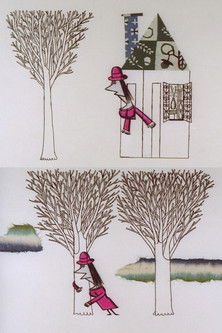
An experimental collage of comic book characters making out.
1964
2004
1964
1965

1959
1958
1998
1964
No reviews yet. Be the first to share your thoughts on this movie!
Use the rating form above to leave a star rating and optional review.