The Fabulous Joe
1947
No user ratings available yet
Representation score: 0.4 out of 10
Representation Score
Limited
1959
ApprovedDirector
Robert Day
Runtime
89 minutes
Average Rating
No ratings yetNew Showbiz Analysis
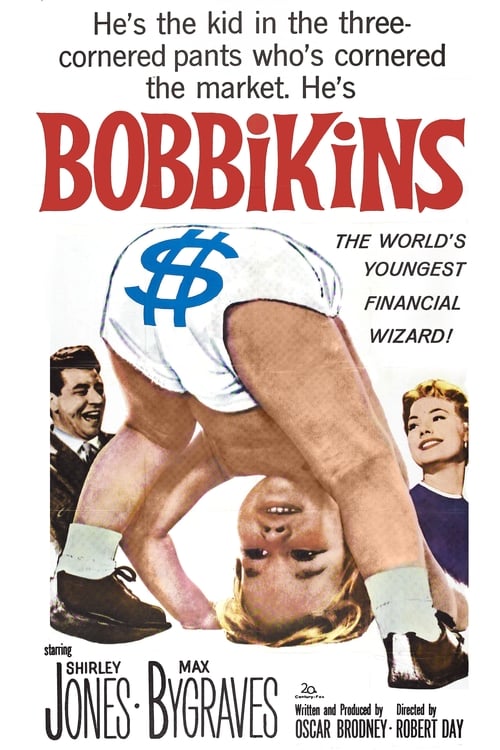
Bobbikins is a product of its time, adhering to the social structures and narrative conventions of 1950s cinema. The story centers on a conventional nuclear family that upholds established norms. The film lacks complexity in representing different aspects of identity, focusing instead on a male-driven comedic adventure. While it explores domestic instability, it does so through traditional gender roles and fantastical elements rather than nuanced character studies. Ultimately, the production reflects a mid-century approach to storytelling, prioritizing mainstream archetypes over diverse or subversive representation.
Category Breakdown
The film focuses on a traditional nuclear family. There are no queer narratives or non-straight identities in the story.
The story revolves around male characters, particularly the father and infant. The wife's role seems limited to the home and the consequences of her husband's actions.
The narrative follows a typical mid-century domestic setting. It lacks diversity in casting and ethnic representation, favoring a homogeneous, Anglo-centric cast.
The plot uses military and patriotic themes common to the era. Institutional friction is used humorously rather than critically.
The central idea of a talking infant is a fantastical element. Mental instability is used mainly as a plot device for the main character.
Present on Screen
Limited or Absent
Official Synopsis
This adventure follows the story of a young navy man, his wife and their baby son, Bobby, also known as Bobbikins. To his surprise, Dad discovers his son talks, not baby-talk or gibberish but has adult conversations with his father only. Bobbikins learns stock market tips and passes them to his Dad. After making a killing on the stock market, problems really begin. The dad is presumed mad, the government is after him, and the breakdown of relations between the young couple ensues. But there is hope.
1947

1976

1948
1966
1956

1952
1955
1950
No reviews yet. Be the first to share your thoughts on this movie!
Use the rating form above to leave a star rating and optional review.