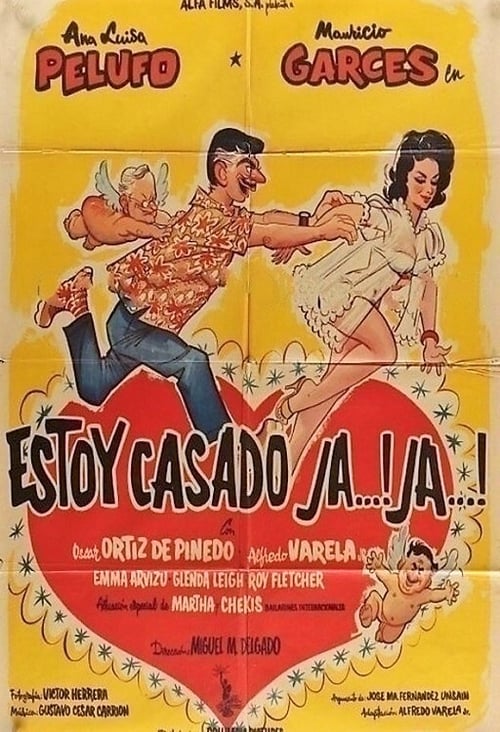
Estoy casado, ja, ja
1962
No user ratings available yet
Representation score: 2.9 out of 10
Representation Score
Limited
1966
Director
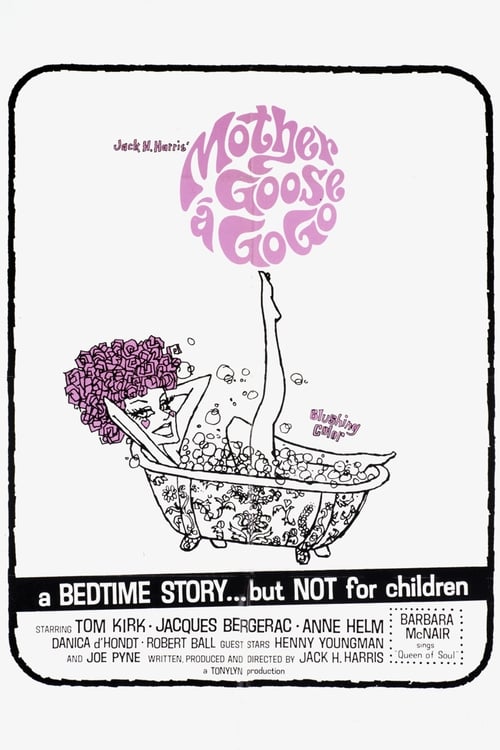
Jack H. Harris
Runtime
82 minutes
Average Rating
No ratings yetNew Showbiz Analysis
The film functions as a mid-century domestic comedy centered on marital dysfunction. Its narrative structure appears built around a standard framework that assumes everyone is straight or cisgender, focusing on the psychological quirks of a single couple. While the inclusion of a psychiatrist suggests a secular interest in mental health, the film lacks the complexity to challenge social hierarchies. The themes seem aimed at preserving traditional family units through comedic means. Ultimately, the work reflects the era's conventional casting and social norms, offering little in the way of multi-layered or progressive representation.
Category Breakdown
The film focuses on a heterosexual marriage conflict between a bride and groom. There are no queer narratives or non-cisgender identities represented.
The story centers on traditional marital roles and the disruption of a honeymoon. It likely relies on conventional 1960s gendered comedic archetypes.
The production appears to adhere to the homogeneous casting standards of the 1960s. No diverse or non-Anglo-Saxon characters are included.
The plot uses mid-century psychoanalysis as a central driver. It focuses on repairing the nuclear family rather than critiquing Western institutions.
Psychiatric intervention is used to address a childhood obsession. These psychological traits risk being used as comedic devices rather than meaningful representations.
Present on Screen
Limited or Absent
Official Synopsis
A young couple's honeymoon is disrupted by the groom's childhood obsession with Mother Goose. Unable to consummate the marriage, they head off to the psychiatrist, where the fun really begins.
1962
1969
1959

1952
1961

1972
1964
1961
No reviews yet. Be the first to share your thoughts on this movie!
Use the rating form above to leave a star rating and optional review.