Where’s Poppa?
1970
No user ratings available yet
Diversity score: 2.8 out of 10
1963
NRDirector
George Marshall
Runtime
98 minutes
Average Rating
No ratings yetSynopsis
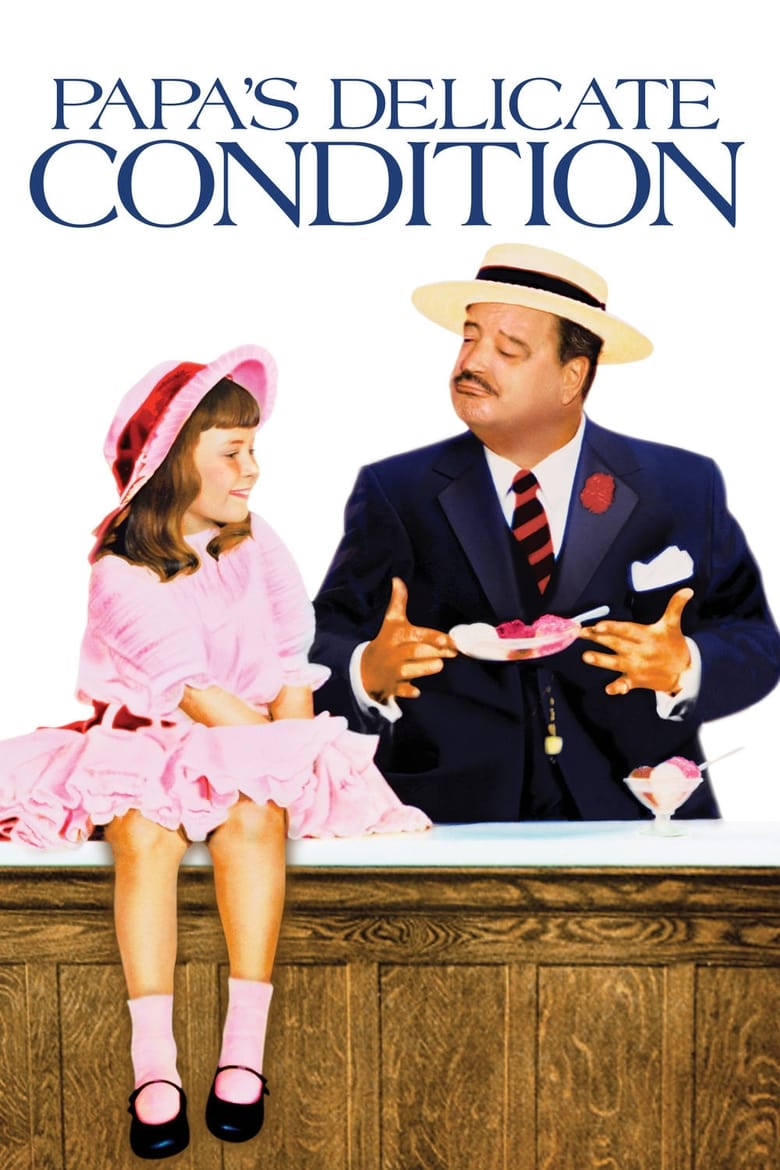
A jolly, family-oriented railroad superintendent tries to get his act together when his love for the bottle starts to alienate him from his wife and oldest daughter. His younger daughter, however, still remains unflinchingly loyal to him, and they share many fun misadventures over the course of the movie.
Overall Score
Limited
Category Breakdown
LGBTQ+ Representation
The film lacks any visible LGBTQ+ characters or non-cisnormative identities. The social landscape remains strictly heteronormative, reflecting the era's cinematic constraints.
Gender Representation
Gender roles follow traditional mid-century hierarchies. While the male protagonist drives the plot, female characters act primarily as domestic anchors managing the family's stability.
Racial & Ethnic Diversity
The cast is predominantly white and Anglo-Saxon. The film depicts a homogeneous middle-class American life without significant non-white characters or racial blending.
Religious & Cultural Diversity
The story emphasizes traditional Western values and the sanctity of the nuclear family. It focuses on personal struggle rather than critiquing systemic or institutional structures.
Disability Representation
A physical leg injury serves as the catalyst for the protagonist's addiction. However, the disability functions more as a plot device than a nuanced character study.
Strengths
Areas for Improvement
AI Analysis
The film is a conventional mid-century character study that prioritizes the preservation of the traditional nuclear family. It operates within the established social hierarchies of the early 1960s, offering little in the way of progressive representation. While the narrative uses a physical disability to drive the central conflict of addiction, it lacks intersectional depth. The production maintains a homogeneous demographic profile, focusing on a singular, traditionalist view of American life. Ultimately, the film's adherence to era-specific norms regarding race, gender, and sexuality results in a narrow social perspective.
1970
1954
1926

1992
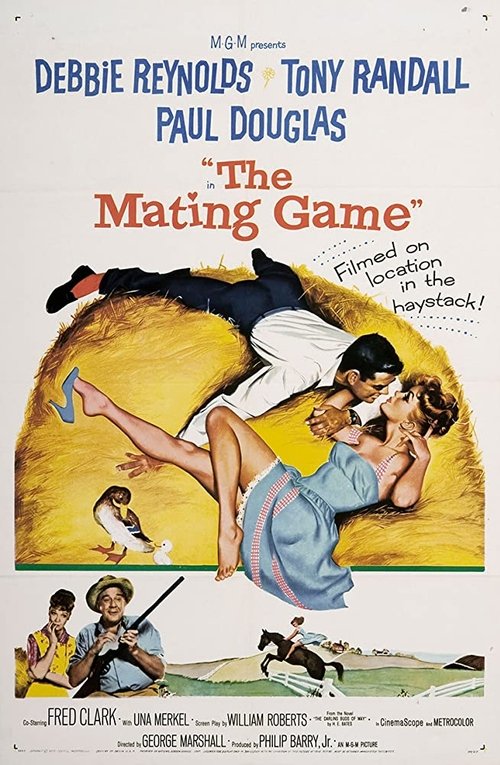
1959
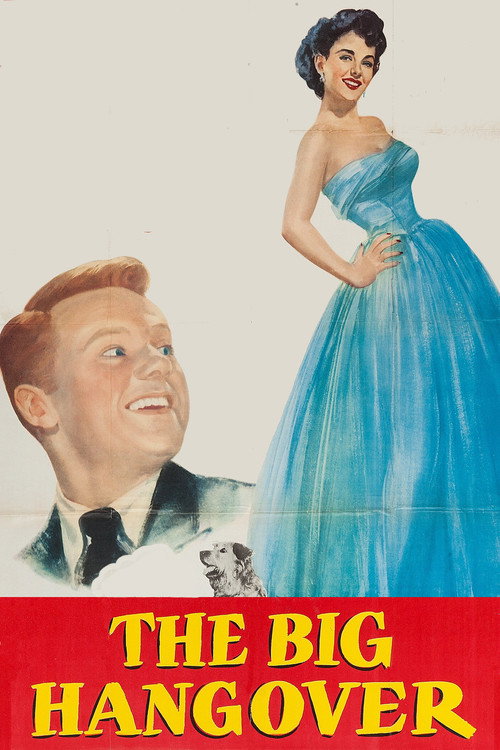
1950
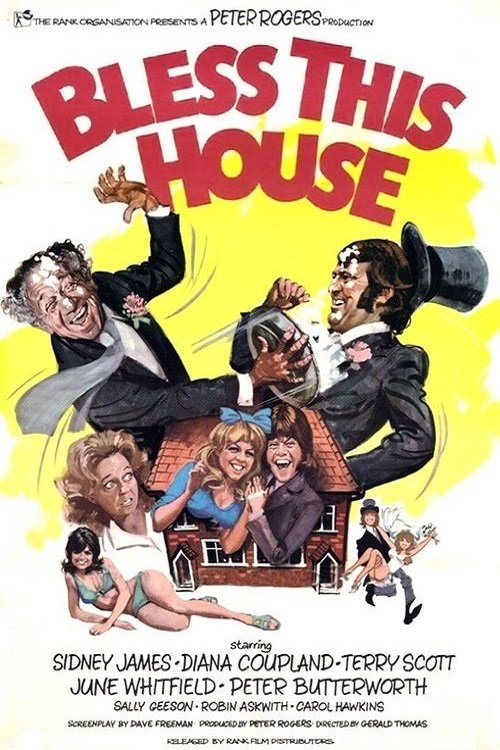
1972
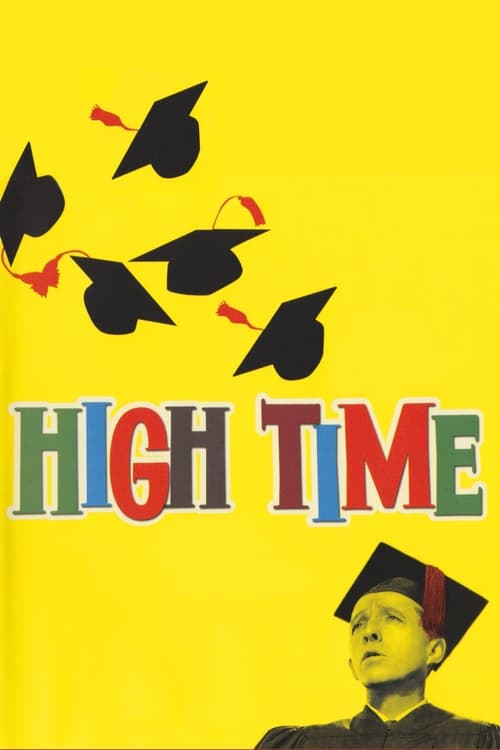
1960
1957

1947

1941
1959
No reviews yet. Be the first to share your thoughts on this movie!
Use the rating form above to leave a star rating and optional review.