For Them That Trespass
1949
No user ratings available yet
Diversity score: 4.7 out of 10
1950
NRDirector
Cy Endfield
Runtime
91 minutes
Average Rating
No ratings yetSynopsis
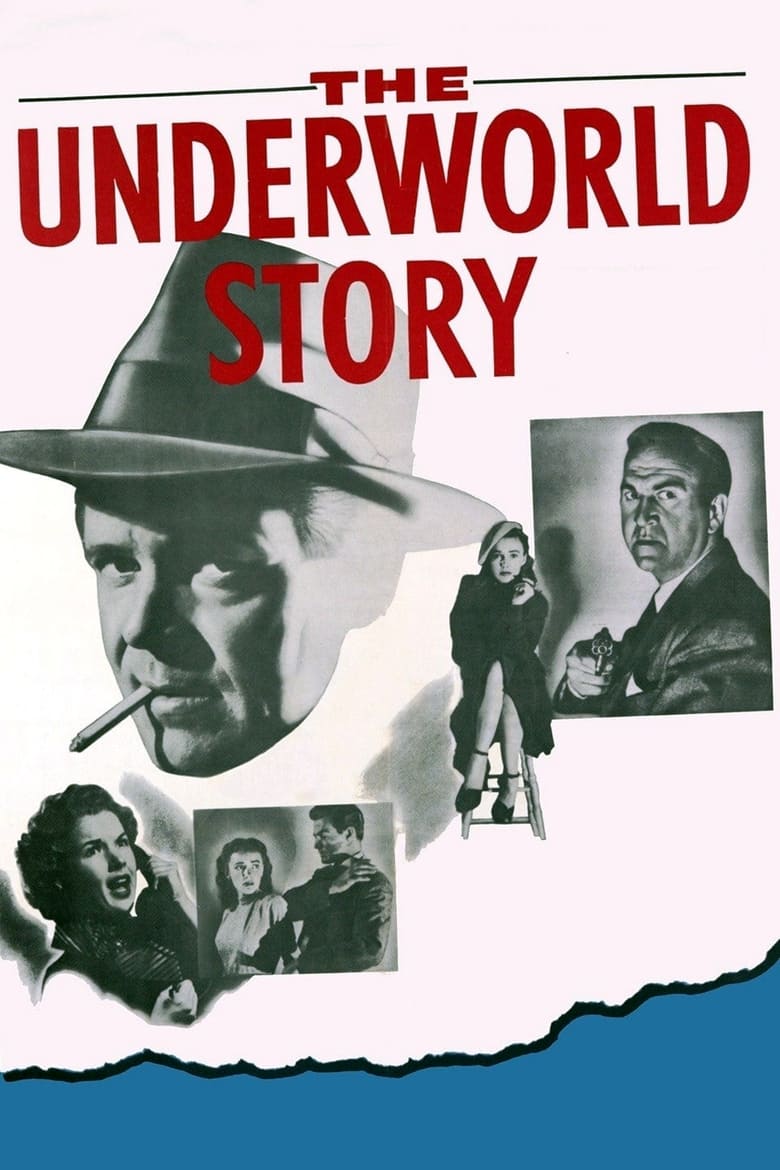
A blacklisted reporter brings his shady ways to a small-town newspaper after being fired from a big city daily.
Overall Score
Fair
Category Breakdown
LGBTQ+ Representation
The film lacks explicit LGBTQ+ characters or non-heteronormative narratives. It appears to adhere to the standard social constraints of 1950s crime dramas.
Gender Representation
The story centers on a male protagonist navigating a professional crisis. Female characters likely occupy secondary or domestic roles without subverting traditional gender hierarchies.
Racial & Ethnic Diversity
The narrative reflects the homogeneous demographic norms of the early 1950s. It centers on a traditional Anglo-centric social structure within a small-town setting.
Religious & Cultural Diversity
The film provides a strong critique of established institutions. By focusing on a blacklisted individual, it challenges mainstream media and state-sanctioned professional standards.
Disability Representation
There is no evidence of characters with visible or invisible disabilities within the film's context.
Strengths
Areas for Improvement
AI Analysis
The Underworld Story is a period-specific crime drama that prioritizes institutional critique over social intersectionality. While it lacks diversity in terms of race, gender, and sexuality, it finds its strength in challenging systemic power structures. Director Cy Endfield’s background suggests a narrative intent focused on the friction between individuals and the state. This creates a film that is culturally disruptive despite its demographic homogeneity. Ultimately, the film serves as a study of systemic friction rather than a showcase of diverse identities, making it a specialized look at professional and political exclusion.
1949
1952
1957

1952

1952

1957
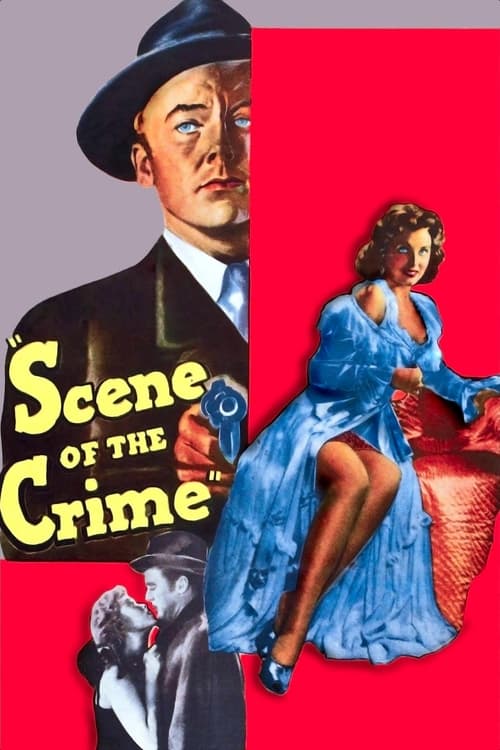
1949
1959
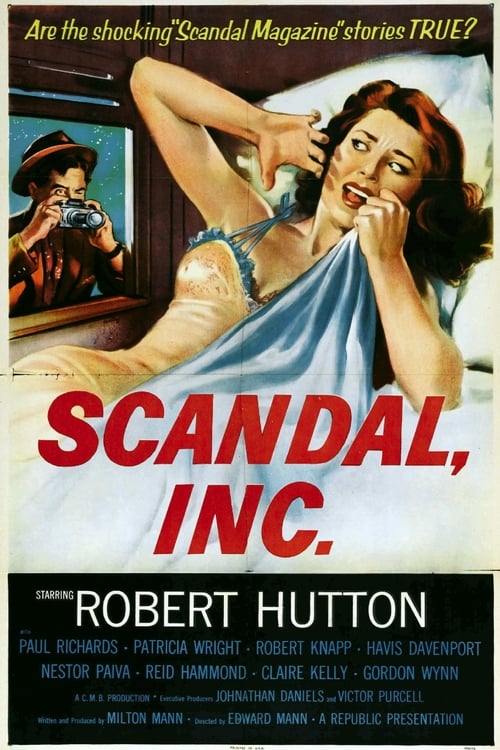
1956
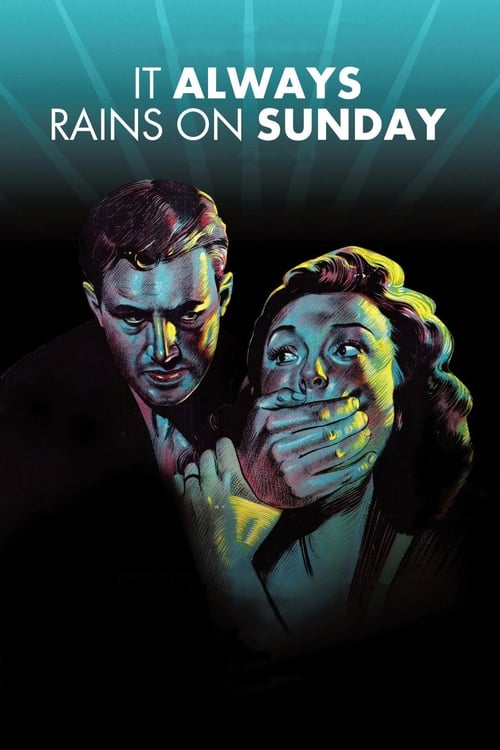
1947
1951
1939
No reviews yet. Be the first to share your thoughts on this movie!
Use the rating form above to leave a star rating and optional review.