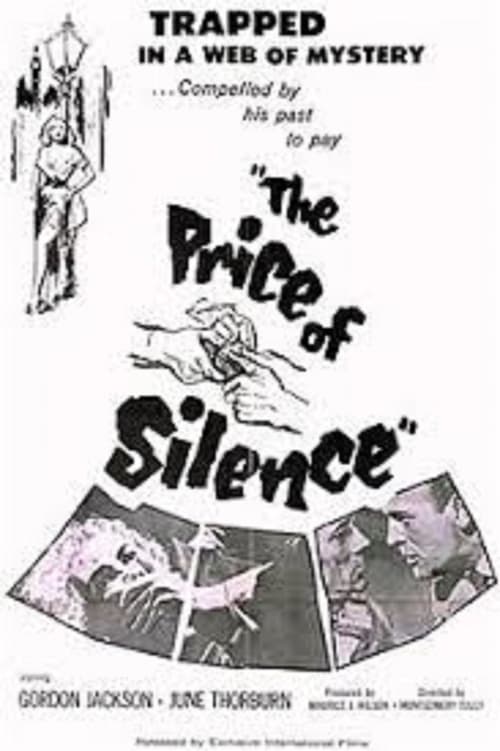
The Price of Silence
1959
No user ratings available yet
Diversity score: 2.3 out of 10

1949
Director
Roy Rowland
Runtime
94 minutes
Average Rating
No ratings yetSynopsis
A cop investigates the shooting of another policeman... that may have been involved in crooked activities.
Overall Score
Limited
Category Breakdown
LGBTQ+ Representation
The film adheres to the heteronormative constraints of 1949 Hollywood. There is no evidence of non-cisnormative gender identities or same-sex intimacy within the narrative.
Gender Representation
The story focuses on a male protagonist navigating a law enforcement crisis. Women appear in traditional noir roles but lack the agency to drive the central investigation.
Racial & Ethnic Diversity
The production features a homogeneous cast consistent with the late 1940s studio system. There is no evidence of characters of color with significant agency.
Religious & Cultural Diversity
The plot reinforces institutional stability and conventional post-war morality. It operates within a traditional Western framework without deconstructing the family unit or secularist values.
Disability Representation
There is no evidence of characters with disabilities being portrayed with agency. Physical or mental impairments are absent or relegated to peripheral plot devices.
Strengths
Areas for Improvement
AI Analysis
Scene of the Crime is a quintessential product of its era, reflecting the social hierarchies and cultural norms of 1949. The film functions as a standard mid-century crime drama that reinforces established cinematic structures rather than challenging them. The narrative lacks visibility for queer identities, diverse racial backgrounds, or characters with disabilities. It relies on a homogeneous cast and traditional gender dynamics typical of the noir genre. Ultimately, the film serves as a period-accurate example of studio-era craftsmanship that prioritizes institutional stability and conventional morality over social subversion.
1959
1939
1928
1953
1956
1957

1952
1939
1947

1947
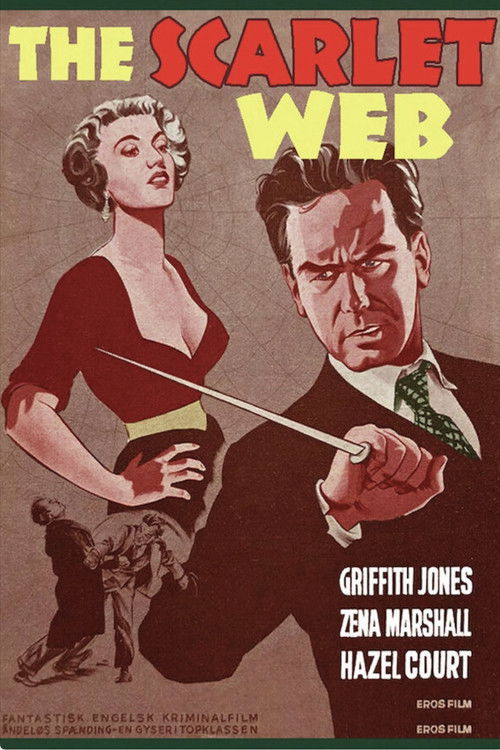
1954
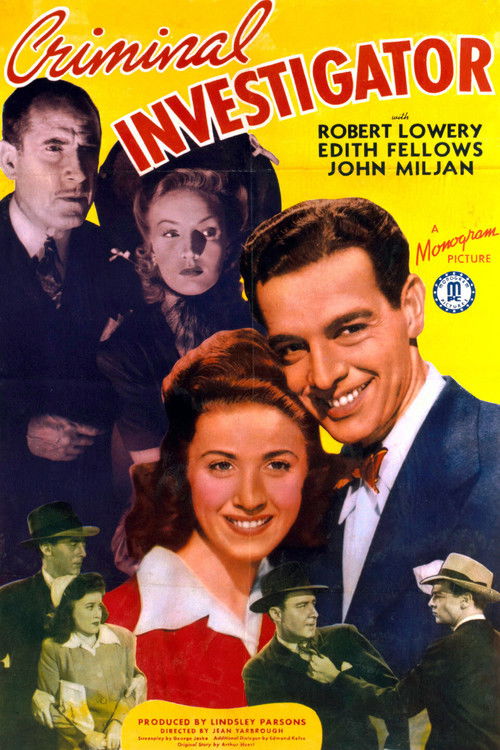
1942
No reviews yet. Be the first to share your thoughts on this movie!
Use the rating form above to leave a star rating and optional review.