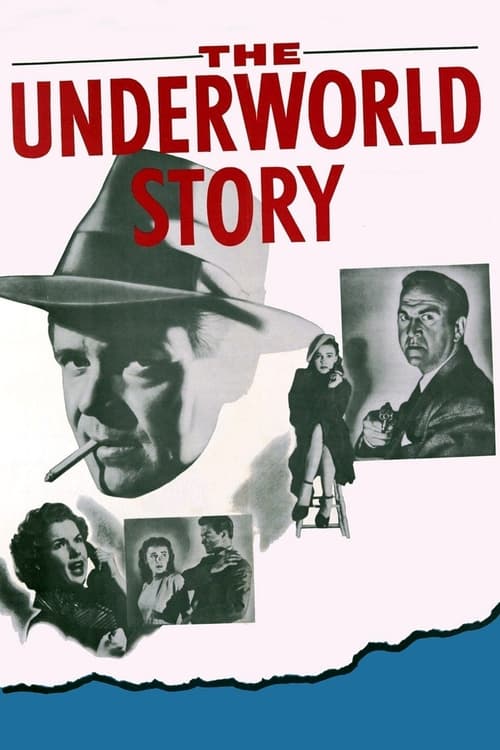
The Underworld Story
1950
No user ratings available yet
Representation score: 4.2 out of 10

Representation Score
Minimal
1952
ApprovedDirector
Robert Wise
Runtime
91 minutes
Average Rating
No ratings yetNew Showbiz Analysis
The Captive City is a period-specific social drama that prioritizes systemic critique over demographic representation. It primarily explores power dynamics and institutional corruption rather than identity-based storytelling. While the film does not meet modern standards of diversity, it achieves complexity through its cultural analysis. It challenges the perceived stability of civic institutions and examines the moral implications of consumer-driven complacency. Ultimately, the film focuses on the struggle of an individual against larger social structures, leaving little room for diverse representation of race, gender, or orientation.
Category Breakdown
The film does not include any LGBTQ+ characters or narratives. The story stays within traditional boundaries, focusing on heterosexual relationships.
The main character is a man whose actions are driven by his professional and civic duties. The film emphasizes traditional male leadership without giving much depth to female characters.
The cast and setting are predominantly white, reflecting a homogeneous social landscape. The film focuses on a localized civic structure without diverse ethnic representation.
The narrative provides a sophisticated critique of institutional integrity and the erosion of democratic values. It explores how consumerism and political corruption can undermine the American Dream.
There are no characters with physical or neurodivergent disabilities in the narrative. Such figures are not central to the story or part of the social fabric.
Present on Screen
Limited or Absent
Official Synopsis
A small-town newspaper editor defies threats to expose the mob.
1950
1949
1949
1950

1949

1953

1949
1952
No reviews yet. Be the first to share your thoughts on this movie!
Use the rating form above to leave a star rating and optional review.