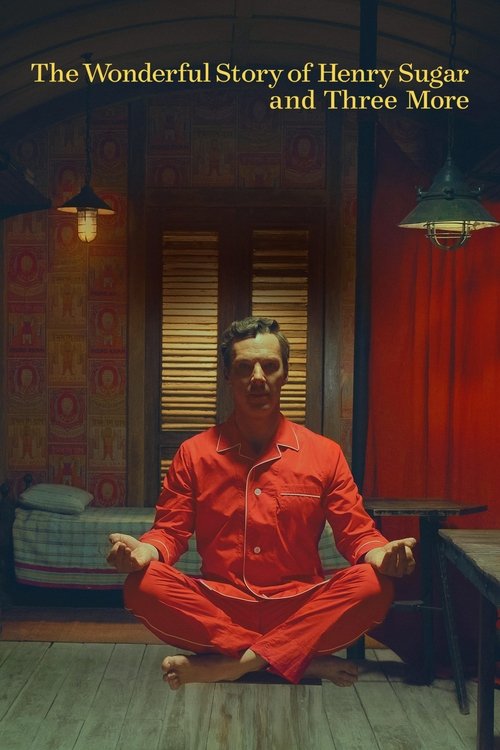
The Wonderful Story of Henry Sugar and Three More
2024
No user ratings available yet
Representation score: 5.4 out of 10

Representation Score
Fair
1961
PassedDirector
Satyajit Ray
Runtime
173 minutes
Average Rating
No ratings yetNew Showbiz Analysis
Satyajit Ray’s tripartite structure places women's ability to drive the story at the center of its storytelling. By focusing on the intellectual awakening and psychological complexities of its female leads, the film challenges the male-centric clichés common in mid-century cinema. The film asserts a strong sense of Bengali cultural identity. It avoids catering to Western aesthetic norms, providing an unmediated look at post-colonial social realism and the nuances of the Bhadralok class. However, the work remains constrained by the social norms of its era. The absence of LGBTQ+ representation and the focus on traditional domestic dynamics reflect the historical context of the period.
Category Breakdown
The film does not include any LGBTQ+ characters or non-straight relationships. It focuses solely on heterosexual relationships and traditional family structures.
The film centers on the internal lives and choices of three distinct female characters, emphasizing female subjectivity. Despite operating within a patriarchal framework, the characters' decisions and experiences drive the plot.
This production provides a culturally authentic look at Bengali middle-class life. It avoids a Western-centric perspective by presenting a non-Anglo-Saxon majority.
The stories explore the tension between traditional Indian institutions and evolving personal desires. They examine the complexities of post-independence society through the subjective motivations of the characters.
There are no prominent depictions of physical or neurodivergent disabilities within the narrative.
Present on Screen
Limited or Absent
Official Synopsis
Three stories with three central female characters linking the stories together. The first one concerns an orphan girl who grows attached to the postmaster she is caring for after he teaches her to read and write. The second one is a supernatural tale about a woman obsessed with the jewels her husband buys for her. The final one follows a young man who falls for an unconventional girl from his new village instead of his arranged bride, the daughter of a respectable family.
2024
1965
1965
1976
1974
2012
1994
2014
No reviews yet. Be the first to share your thoughts on this movie!
Use the rating form above to leave a star rating and optional review.