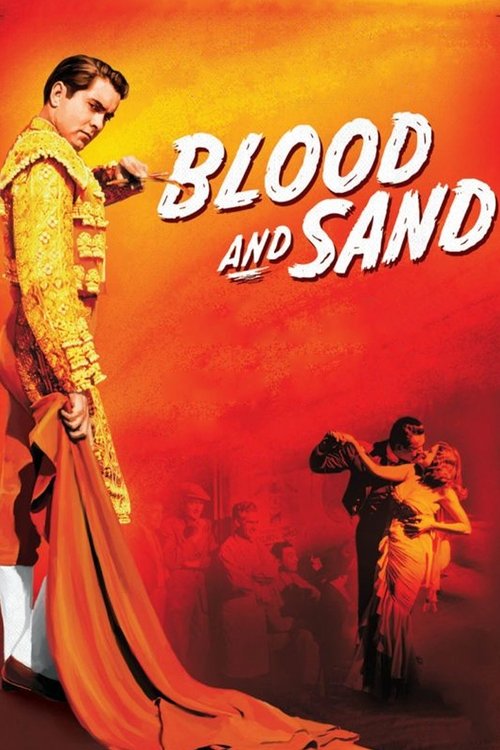
Blood and Sand
1941
No user ratings available yet
Diversity score: 2.2 out of 10

1931
NRDirector
Charles Brabin
Runtime
82 minutes
Average Rating
No ratings yetSynopsis
A horse with great potential is reluctantly sold by the breeder and by chance passes through multiple hands who do not treat him well.
Overall Score
Limited
Category Breakdown
LGBTQ+ Representation
The film follows a traditional romantic arc between Rid Riddell and his girlfriend. There is no evidence of queer subtext or non-cisnormative identities within the narrative.
Gender Representation
Madge Evans' character gains significant agency by rehabilitating the horse after a murder. However, the film ultimately reverts to a patriarchal hierarchy when the male lead wins the girl.
Racial & Ethnic Diversity
The cast appears homogeneous and Anglo-Saxon centric. There is no documented evidence of non-white protagonists or racial blending within the story.
Religious & Cultural Diversity
The story explores moral relativism through gambling and industry corruption. It lacks a critique of institutionalized oppression, remaining rooted in traditional Western structures of justice.
Disability Representation
There is no documented evidence of characters with visible or invisible disabilities integrated into the narrative.
Strengths
Areas for Improvement
AI Analysis
Sporting Blood is a standard Pre-Code melodrama that offers limited progressive value. While it avoids the sanitized morality of later decades, it remains tethered to the social hierarchies of the early 20th century. The film's primary strength lies in its subversion of female passivity. The female lead evolves from a secondary character into a central driver of the plot through her resilience and actions. However, the film fails to provide intersectional complexity. It relies on conventional romantic tropes and lacks any meaningful representation of racial or LGBTQ+ diversity.
1941
1926
1933

1938
1926

1933
1941

1931

1951
1951

1932

1939
No reviews yet. Be the first to share your thoughts on this movie!
Use the rating form above to leave a star rating and optional review.