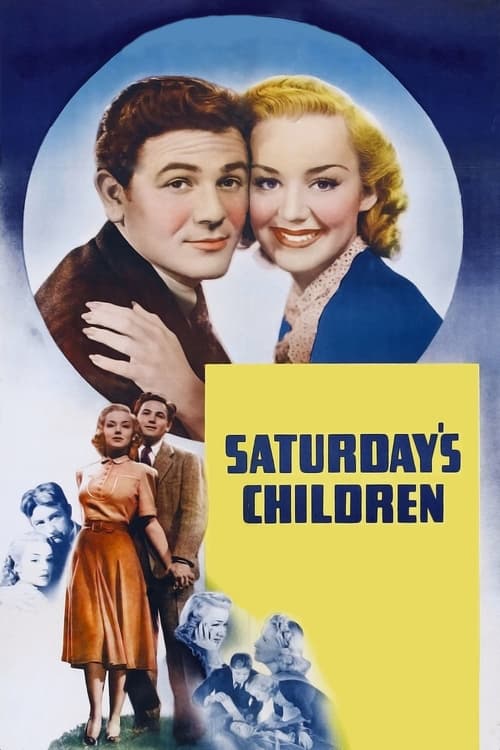
Saturday's Children
1940
No user ratings available yet
Representation score: 1.5 out of 10
Representation Score
Minimal
1944
NRDirector
Vincent Sherman
Runtime
110 minutes
Average Rating
No ratings yetNew Showbiz Analysis
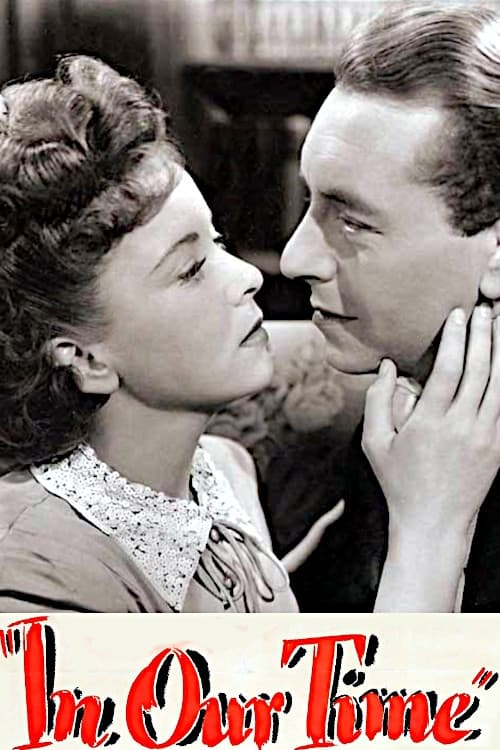
In Our Time is a period drama reflecting the social norms of the mid-20th century. It relies on traditional romantic structures and lacks diverse representation. The film highlights female competence and modernization efforts but is limited by its focus on established European social hierarchies and traditional values.
Category Breakdown
The film follows the traditional romantic norms of the 1940s, with no representation of LGBTQ+ identities or same-sex relationships.
Jennifer actively drives economic change by modernizing the family farm with new technology, showing strong leadership and initiative.
The cast and setting are primarily white and Anglo-European, with no significant racial diversity.
The story focuses on the traditional Western values of marriage and property ownership, depicting the struggle for stability amid social upheaval.
There are no visible or documented depictions of physical, sensory, or neurodivergent disabilities in the main storyline.
Present on Screen
Limited or Absent
Official Synopsis
It is early 1939 in Poland when Mrs. Bromley and Jennifer come to buy antiques for her business in London. Jennifer meets Count Stephen and they wine, dine and see the sights though out the city. He wishes to marry, but his family is against plain Jennifer. When she tries to leave, he catches her at the train station and they are married. To be self sufficient, they modernize the family farm with tractors and increase production, but then Germany starts the war.
1940

1930
1935

1957

1958
1939

1941
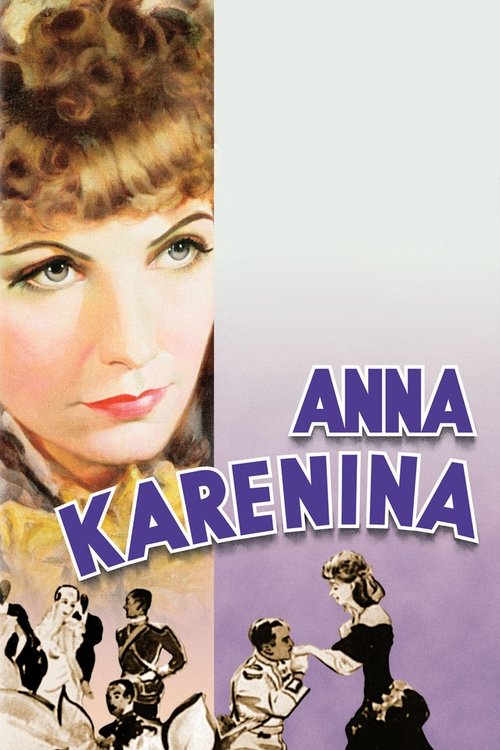
1935
No reviews yet. Be the first to share your thoughts on this movie!
Use the rating form above to leave a star rating and optional review.