Jadup and Boel
1988
No user ratings available yet
Representation score: 5.6 out of 10
Representation Score
Good
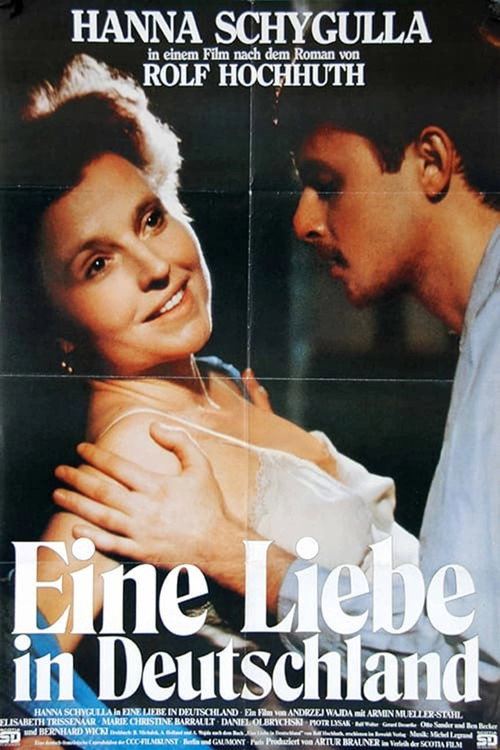
1983
RDirector
Andrzej Wajda
Runtime
132 minutes
Average Rating
No ratings yetNew Showbiz Analysis
Andrzej Wajda uses this historical drama to explore the human cost of geopolitical conflicts and systemic oppression. The film's strength lies in its layered approach to ethnicity and its critique of institutional power structures. By focusing on a Polish protagonist in a German setting, the story highlights the dehumanization inherent in wartime hierarchies. The exploration of suppressed historical truths adds a sophisticated thematic depth that challenges state-driven nationalism. However, the film does not include LGBTQ+ identities or characters with disabilities.
Category Breakdown
The film focuses on a heterosexual relationship between a German woman and a Polish prisoner of war. There are no explicit LGBTQ+ characters or non-straight relationships.
Paulina is a central character whose personal choices and romantic autonomy drive the plot. Her actions challenge traditional views of passive women in historical settings.
The relationship between a German national and a Polish prisoner of war highlights ethnic diversity. This pairing questions the nationalistic hierarchies imposed by the state.
The narrative critiques state authority and traditional Western institutions by portraying the SS commander as an antagonist. It emphasizes the deconstruction of historical myths.
There is no evidence of physical or neurodivergent disabilities in the narrative.
Present on Screen
Limited or Absent
Official Synopsis
In May of 1983, a man turns 49 and, with his 17-year old son, journeys to the village in Baden that he left 40 years before. He wants to discover what happened then, the truth about an affair his mother had with a young Polish prisoner of war, how the authorities came to learn of it, the lovers' arrest, and the aftermath. While his son takes Polaroid photographs, he retraces the steps of his childhood and interviews those who should remember. The story is disclosed in flashbacks that focus on the lovers (Paulina and Stanislaus), on a jealous and conniving neighbor, and on Mayer, the local SS commander who wants to find a way out of inevitable consequences.
1988
1989

1977
1985
1970

1984

2008

1966
No reviews yet. Be the first to share your thoughts on this movie!
Use the rating form above to leave a star rating and optional review.