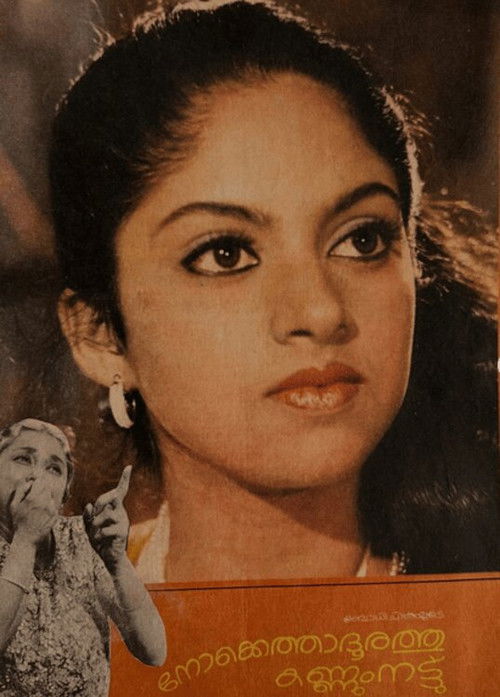
Nokkethadhoorathu Kannum Nattu
1984
No user ratings available yet
Representation score: 5.1 out of 10
Representation Score
Fair
1988
Director
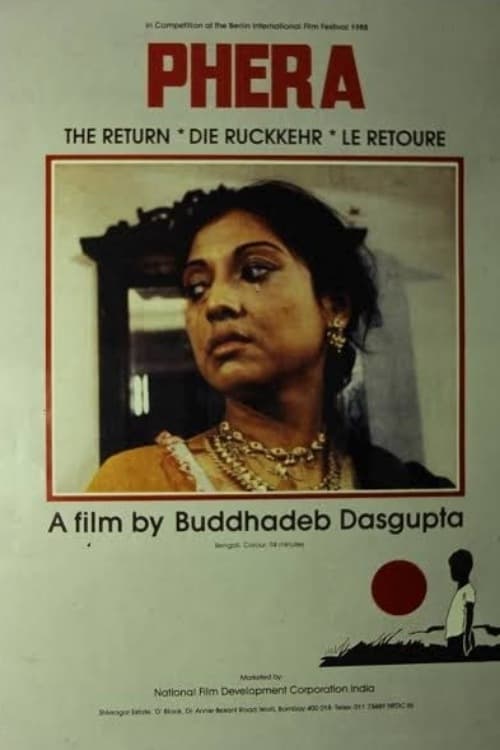
Buddhadeb Dasgupta
Runtime
86 minutes
Average Rating
No ratings yetNew Showbiz Analysis
Buddhadeb Dasgupta’s *The Return* is a sophisticated piece of auteur cinema that prioritizes psychological depth and poetic realism. It excels in providing a culturally authentic portrayal of rural West Bengal, avoiding Western-centric perspectives through its casting and setting. While the film is strong in its regional specificity, it remains tied to traditional social structures. It lacks explicit engagement with modern identity politics, particularly regarding LGBTQ+ representation and the subversion of gender roles. Ultimately, the film's strength lies in its nuanced exploration of human connection and the friction between the individual and the community, even if it does not actively challenge established social hierarchies.
Category Breakdown
The film focuses on traditional rural West Bengali social structures and does not include any non-traditional gender identities or queer narratives.
Saraju's character offers a nuanced look at the emotional labor and complexities of widowhood. However, the film does not explicitly challenge traditional gender hierarchies or emphasize female intellect as a primary plot driver.
The production features a predominantly Bengali cast that accurately reflects the regional identity of West Bengal. It centers a non-Western, rural Indian experience without resorting to exoticism.
The narrative explores the tension between individual desires and social traditions within a village ecosystem. It uses moral relativism to highlight the alienation caused by restrictive communal stability.
There are no prominent depictions of physical or neurodivergent disabilities that serve as central narrative drivers in this work.
Present on Screen
Limited or Absent
Official Synopsis
Sasanka grows depressed as his house and his career as a theater actor both crumble around him. When his cold-hearted, widowed sister-in-law Saraju arrives with her adorable young son Kanu, Sasanka's mood eventually changes. Kanu and Sasanka become fast friends as the youngster benefits from his uncle's wisdom and acting ability.
1984

1959
1978
1961
1966

2005
2003

1977
No reviews yet. Be the first to share your thoughts on this movie!
Use the rating form above to leave a star rating and optional review.