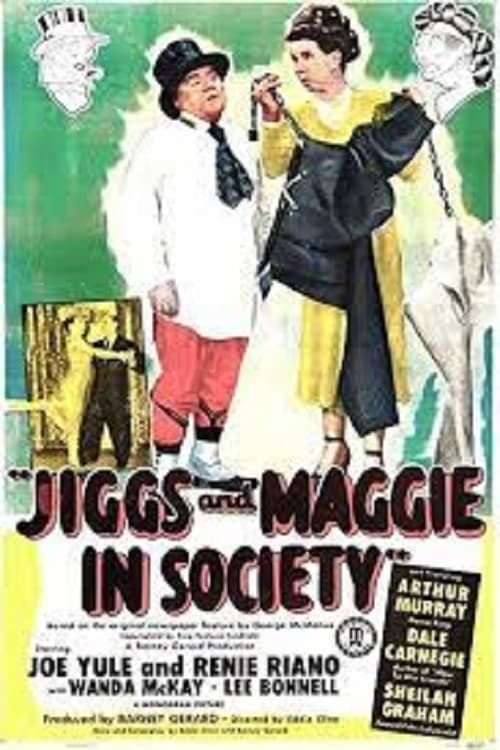
Jiggs and Maggie in Society
1947
No user ratings available yet
Representation score: 0.9 out of 10
Representation Score
Minimal
1946
PassedDirector
Edward F. Cline
Runtime
65 minutes
Average Rating
No ratings yetNew Showbiz Analysis
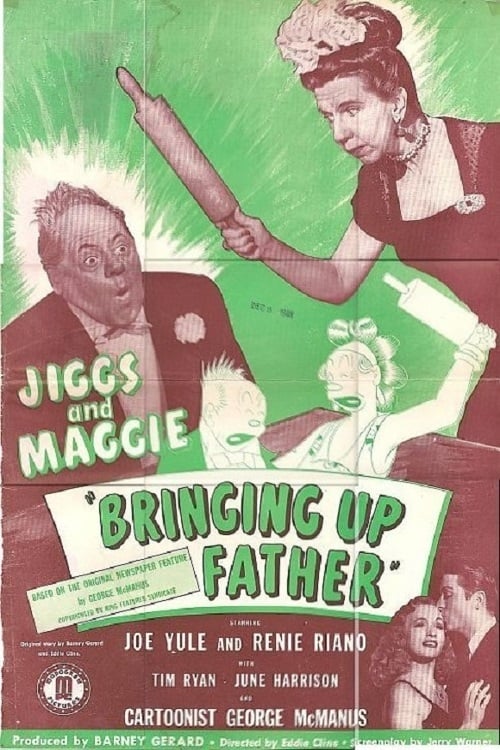
Bringing Up Father is a period-specific comedy built on traditional archetypes. It adheres strictly to the social and narrative conventions of 1946, focusing on class aspiration and domestic friction. The film lacks intentionality in disrupting social hierarchies. Instead, it relies on established gender and class clichés to drive its situational farce. Ultimately, the work provides very little representation of diverse identities, reflecting the homogeneous casting and social structures of its era.
Category Breakdown
The film does not include any LGBTQ+ characters or non-straight identities. The story centers around the domestic tension between Maggie and Jiggs within a traditional family setting.
Gender dynamics rely on the 'long-suffering husband' cliché. Maggie asserts authority through social ambitions, while the film reinforces traditional gender roles and domestic tensions.
The production reflects the homogeneous casting standards of mid-century American cinema. There is no indication of a diverse cast or non-Anglo-Saxon characters driving the narrative.
The story explores social climbing and class distinction through Western capitalist values. It focuses on economic strata within a conventional family unit without critiquing Western institutions.
There is no evidence of characters with physical or neurodivergent disabilities. The film does not provide representation for these identities.
Present on Screen
Limited or Absent
Official Synopsis
Based on the comic strip by George McManus about the adventures of the social-climbing Maggie and her long-suffering husband Jiggs. In this film, one of Maggie's society friends enlists her help in evicting an undesirable tenant, who turns out to be Jiggs.
1947
1950
1935
1952
1948

1926
1952
1947
No reviews yet. Be the first to share your thoughts on this movie!
Use the rating form above to leave a star rating and optional review.