
Innocently Guilty
1950
No user ratings available yet
Representation score: 1.6 out of 10
Representation Score
Minimal
1945
ApprovedDirector
Jules White
Runtime
16 minutes
Average Rating
No ratings yetNew Showbiz Analysis
Woo, Woo! is a product of its historical era, leaning heavily into the slapstick traditions and social hierarchies of the mid-1940s. The comedy relies on situational misunderstandings and traditional domestic structures rather than any attempt to challenge social norms. The film's reliance on a 'jealous husband' cliché and conventional marital dynamics suggests a narrative that reinforces mid-century gender and social expectations. Ultimately, the work functions as a standard comedic short of its time, prioritizing physical humor and individualistic resolution over diverse or inclusive storytelling.
Category Breakdown
The film doesn't include any LGBTQ+ characters or stories. It focuses on a jealous husband, which reinforces traditional assumptions about straight relationships.
Gender roles are defined by traditional domestic tensions. The story centers on marital conflicts and a wife caught in a comedic misunderstanding.
The film reflects the homogeneous casting standards of 1945. It appears to reinforce the era's standard demographic norms without diverse representation.
The narrative aligns with mid-century Western values. It focuses on individualistic problem-solving within a traditional social fabric.
There is no information regarding the portrayal of physical or neurodivergent characters in this work.
Present on Screen
Limited or Absent
Official Synopsis
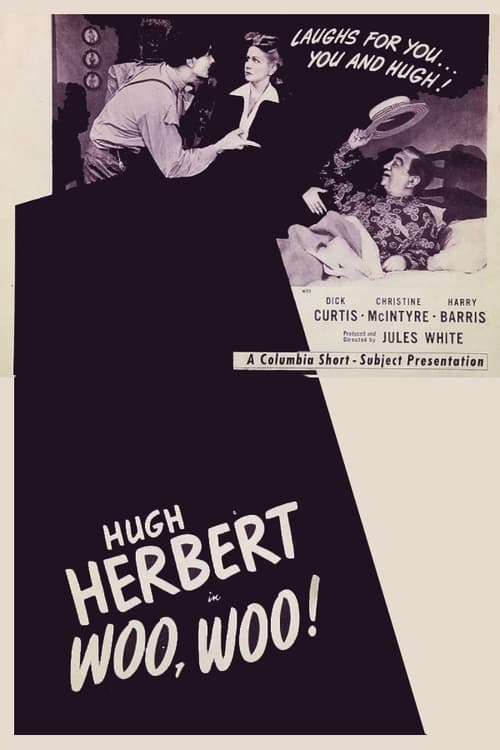
Hugh Herbert forms a company to relieve other people from worrying, but a jealous husband, Harry Barris, gives him sone unexpected trouble. Following some narrow escapes, Hugh works his way out of the trouble by making the husband believe he has killed his wife, Christine McIntyre.
1950
1945
1942
1945
1959
1942
1944
1952
No reviews yet. Be the first to share your thoughts on this movie!
Use the rating form above to leave a star rating and optional review.