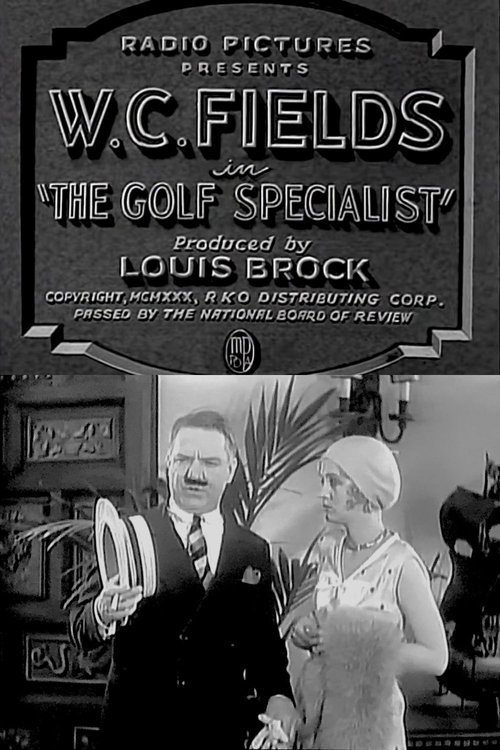
The Golf Specialist
1930
No user ratings available yet
Representation score: 0.4 out of 10
Representation Score
Minimal
1930
Director
Edgar Kennedy
Runtime
21 minutes
Average Rating
No ratings yetNew Showbiz Analysis
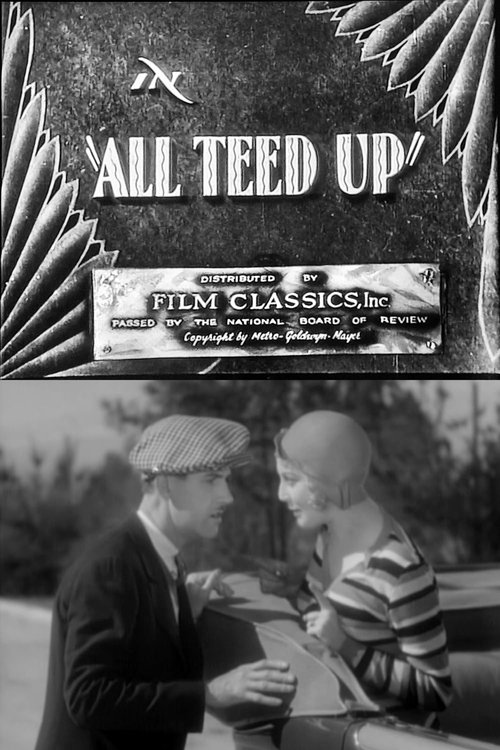
All Teed Up is a typical 1930s comedy focusing on social class and leisure. The narrative revolves around the interactions between Thelma and Charley within an exclusive environment, offering little in the way of social deconstruction. The film adheres to the demographic constraints of its time, prioritizing slapstick and situational humor over exploring diverse identities or challenging established social hierarchies. Ultimately, it reflects the social exclusivity of the early 20th century, emphasizing class-based interactions without addressing multi-layered issues.
Category Breakdown
The film does not include any characters with non-binary gender identities or sexual orientations. It follows traditional assumptions about gender and sexuality common in 1930s comedies.
Thelma initiates a social invitation to Charley, showing some independence. However, the comedy likely upholds traditional gender roles and social hierarchies.
The country club setting suggests a predominantly white clientele, reflecting the era's social exclusivity. The narrative highlights the social stratification of the time.
The story centers on class privilege and maintaining social standing. It does not critique Western institutions or traditional social structures.
There are no characters with visible or invisible disabilities mentioned. The film does not address disability in any way.
Present on Screen
Limited or Absent
Official Synopsis
Thelma invites Charley to play golf at her father's exclusive country club.
1930
1926
1929
1928
1929
1930
1936
1922
No reviews yet. Be the first to share your thoughts on this movie!
Use the rating form above to leave a star rating and optional review.