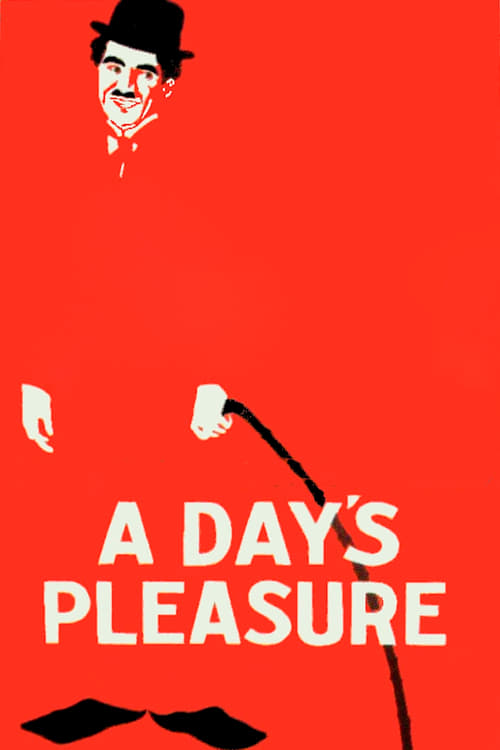
A Day's Pleasure
1919
No user ratings available yet
Representation score: 0.4 out of 10
Representation Score
Minimal
1911
Director
Lucien Nonguet, Max Linder
Runtime
24 minutes
Average Rating
No ratings yetNew Showbiz Analysis
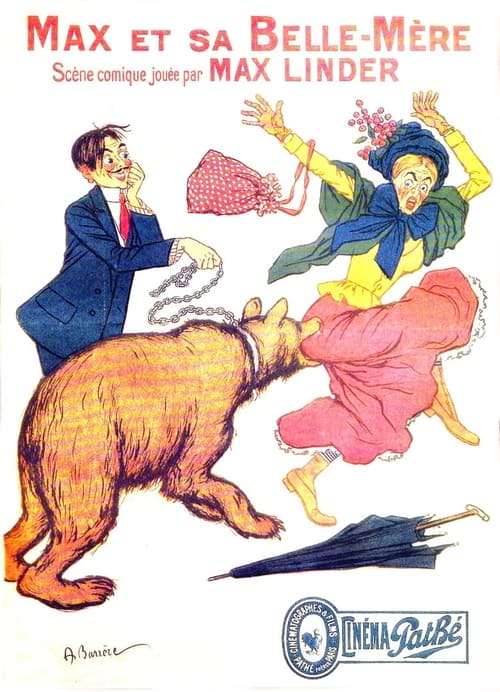
This 1911 comedy is a product of its time, adhering to the social and demographic norms of early silent cinema. The narrative follows a conventional marital storyline, highlighting the comedic interactions between a newlywed couple and a mother-in-law. While Max Linder’s work laid the groundwork for character-driven comedy, the film lacks diverse representation or social critique.
Category Breakdown
The film focuses on a traditional honeymoon scenario and does not include any characters with non-traditional gender identities or critiques of heterosexual relationships.
The story centers around a young bride and her mother, relying heavily on traditional family roles and domestic conflicts without challenging gender hierarchies.
The film reflects the homogeneous demographics typical of early 20th-century France, with no diverse ethnic representation.
Humor in the film stems from the clash between romantic desires and family obligations, staying within the cultural norms of Western society during that time.
There are no characters with visible or invisible disabilities featured in this short film.
Present on Screen
Limited or Absent
Official Synopsis
Max and his young bride attempt to enjoy an Alpine honeymoon, despite the presence of her mother.
1919

1952
1924
1927
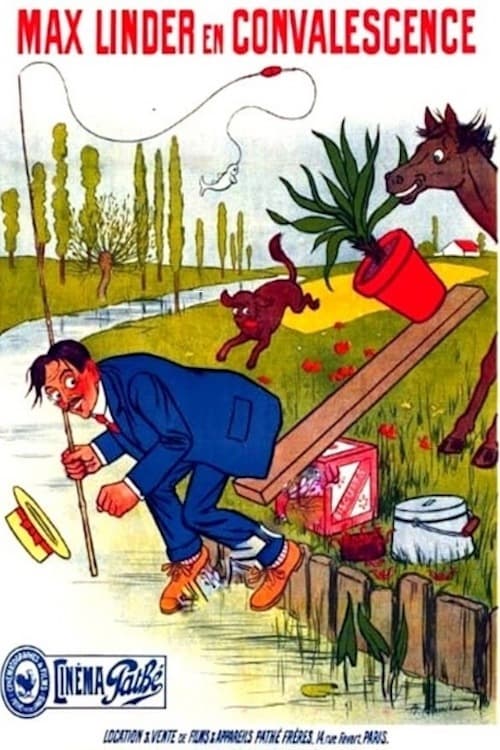
1911
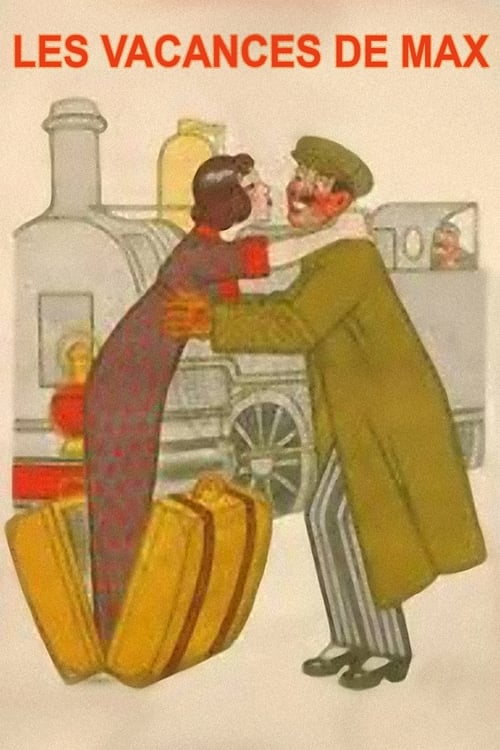
1914
1912
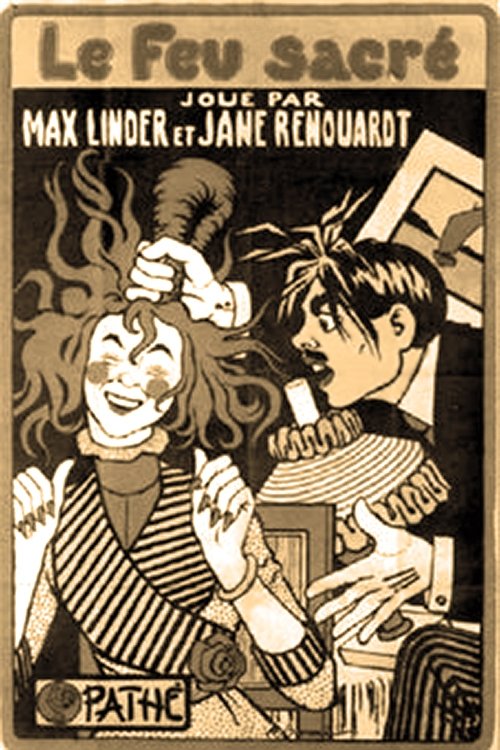
1911
No reviews yet. Be the first to share your thoughts on this movie!
Use the rating form above to leave a star rating and optional review.