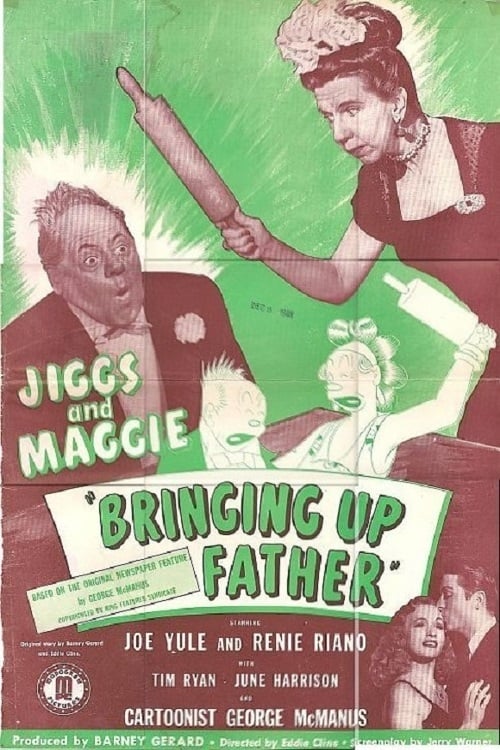
Bringing Up Father
1946
No user ratings available yet
Representation score: 1.1 out of 10
Representation Score
Minimal
1947
ApprovedDirector
Edward F. Cline
Runtime
66 minutes
Average Rating
No ratings yetNew Showbiz Analysis
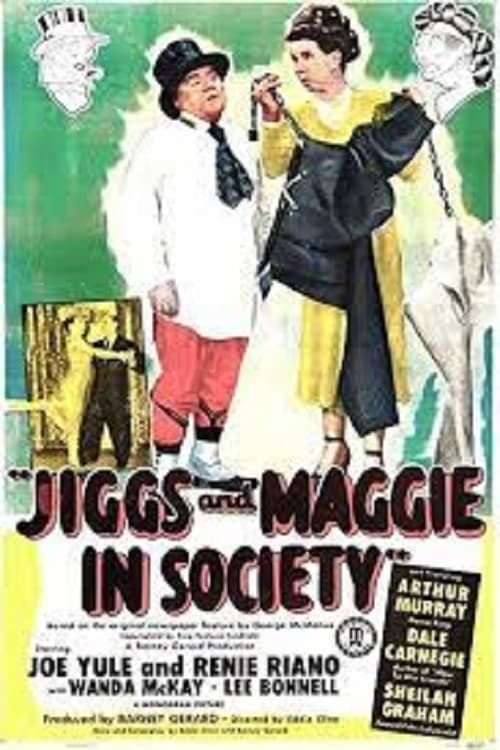
Jiggs and Maggie in Society is a period comedy centered on class-based friction. The story contrasts upward social mobility with the stability of blue-collar roots, using well-established archetypes to generate humor. The film upholds rather than challenges the social hierarchies of the late 1940s. It adheres to a homogeneous social structure that lacks complexity or subversive character development. Overall, the production follows traditional mid-century cinematic structures, focusing on domestic conflict and socioeconomic divisions within a limited social scope.
Category Breakdown
The film does not include any LGBTQ+ characters or non-cisgender identities. The story revolves around a traditional marriage.
Maggie and Jiggs represent typical mid-century roles. Maggie drives the plot through her social ambitions, while Jiggs stays grounded in his working-class environment.
The story focuses on class differences within a Manhattan setting. There is no indication of a diverse or non-Anglo-Saxon cast.
The film uses class-based tension for comedy. It examines social layers without challenging Western institutions or highlighting transformative cultural themes.
There is no mention of characters with visible or invisible disabilities in the film's narrative.
Present on Screen
Limited or Absent
Official Synopsis
Maggi continues her forever-ever efforts to crash Manhattan's top society, while Jiggs still mingles with his old construction cronies at the bar of Dinty Moore on 10th Avenue.
1946
1958
1948
1941
1949
1974
1952
1930
No reviews yet. Be the first to share your thoughts on this movie!
Use the rating form above to leave a star rating and optional review.