I Dream of Jeanie
1952
No user ratings available yet
Representation score: 2.7 out of 10
Representation Score
Minimal
1939
ApprovedDirector
James A. FitzPatrick
Runtime
9 minutes
Average Rating
No ratings yetNew Showbiz Analysis
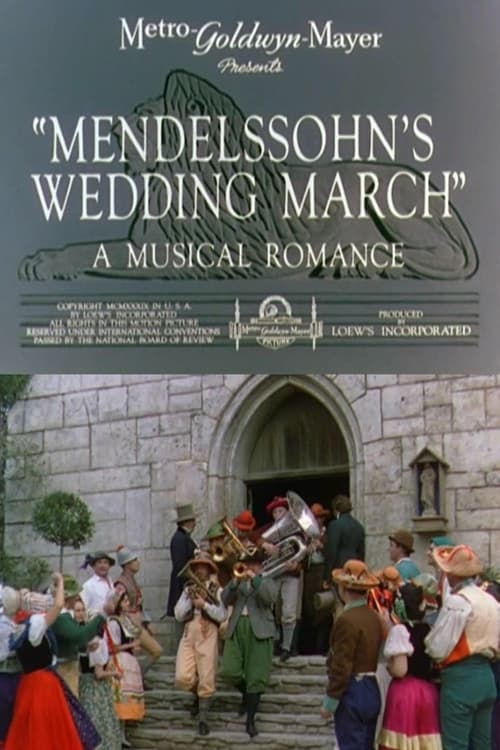
This biographical short functions as a traditional historical vignette. It adheres to the cinematic standards of 1939, focusing heavily on the Western classical canon and the life of a single male composer. The film reinforces established cultural hierarchies rather than disrupting them. Its scope is narrow, centering on European heritage and conventional social structures of the 19th century. Because the subject matter is inherently tied to a specific era and musical tradition, the representation remains homogeneous and lacks depth in reflecting multiple aspects of identity.
Category Breakdown
The film centers on a 19th-century historical figure. There is no indication of LGBTQ+ identities or narratives that challenge the assumption that everyone is straight or cisgender.
The story focuses on a male composer's intellectual achievements. Women likely appear in traditional, supportive roles related to the wedding theme.
This is a localized account of a European composer. The setting and cast reflect a homogeneous white environment typical of the Western classical tradition.
The film celebrates Western high culture and classical musical heritage. It functions as a tribute to Western artistic achievement and traditional values.
There is no mention of characters navigating physical or neurodivergent disabilities within this biographical account.
Present on Screen
Limited or Absent
Official Synopsis
This short film provides a fanciful account of how Felix Mendelssohn came to compose "The Wedding March".
1952
1979
1939
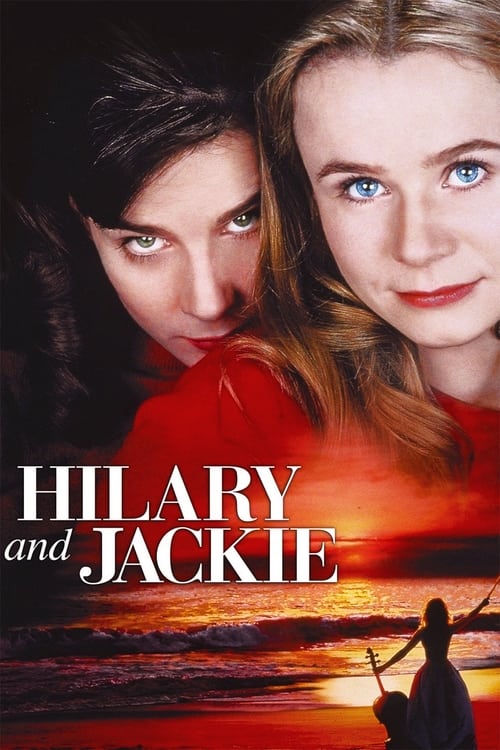
1998
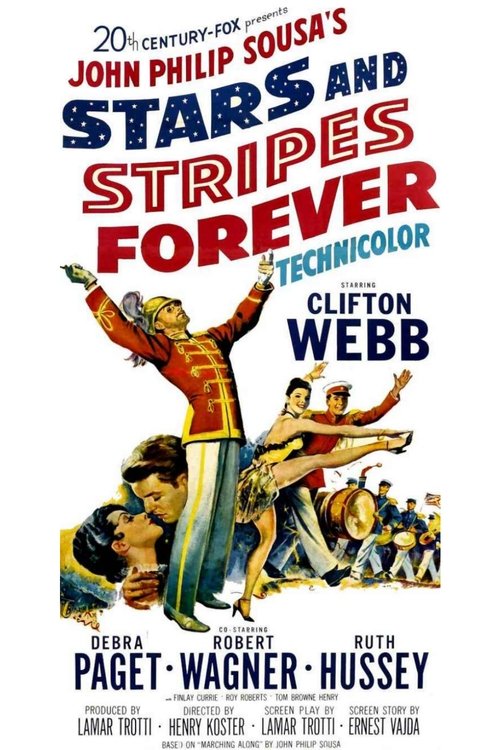
1952
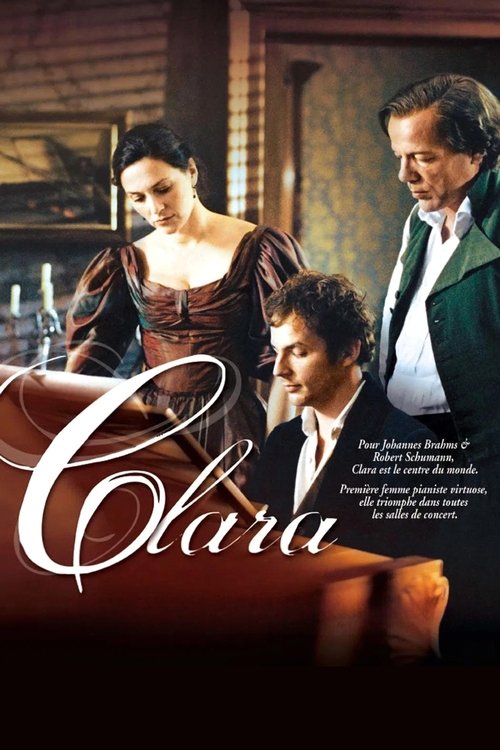
2008

2017
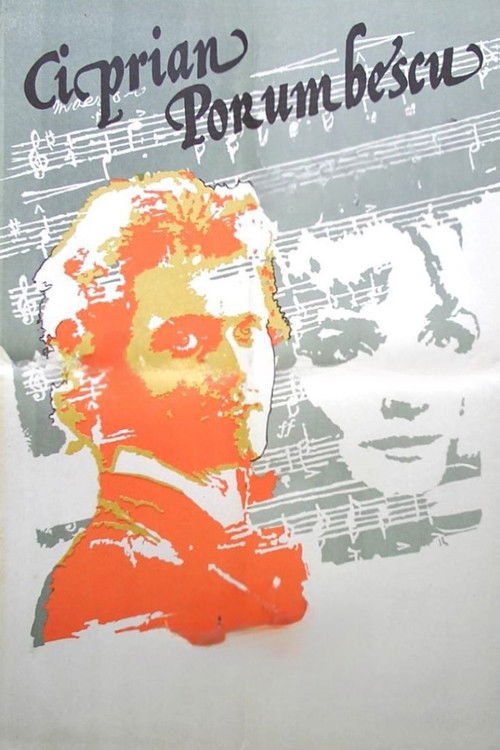
1973
No reviews yet. Be the first to share your thoughts on this movie!
Use the rating form above to leave a star rating and optional review.