
The Singing Fool
1928
No user ratings available yet
Diversity score: 2.1 out of 10

1936
GDirector
Monty Banks
Runtime
82 minutes
Average Rating
No ratings yetSynopsis
Despite being on his uppers, George is still prepared to pawn his beloved banjo in order to help his girlfriend save her niece from the orphanage. Help seems to be at hand when George is left a fortune by his old auntie, but unfortunately his inheritance is hidden inside a chair which has already been auctioned off! Can George and his chums track down his rightful due before his grasping solicitor (Alastair Sim, in an early film appearance) snatches the lot? It's hard to say, but he still finds time to perform both the title song and the classic 'When I'm Cleaning Windows'.
Overall Score
Limited
Category Breakdown
LGBTQ+ Representation
The film operates within standard 1930s frameworks of orientation. The narrative focuses on traditional romantic motivations without evidence of non-cisnormative identities.
Gender Representation
George serves as the primary agent of change and provider. While the female lead provides emotional motivation, she remains a passive recipient of his actions.
Racial & Ethnic Diversity
The production reflects the homogeneous demographic norms of 1936 Britain. The cast appears to adhere to the era's standard Anglo-centric representation.
Religious & Cultural Diversity
The story utilizes a classic rags-to-riches trope centered on inheritance. It reinforces traditional family values and Western capitalist structures rather than challenging them.
Disability Representation
There is no mention of characters with visible or invisible disabilities. No evidence exists to support an analysis of neurodivergence or physical disability.
Strengths
Areas for Improvement
AI Analysis
This 1936 musical drama is a quintessential product of its era, prioritizing escapist entertainment over social subversion. The plot follows a conventional hero's journey where a male protagonist navigates financial hardship and inheritance to resolve a sentimental family crisis. The film reinforces mid-century social hierarchies and traditional gender roles. While it offers a mild critique of institutional greed through a grasping solicitor, the resolution relies on the restoration of private wealth and individual fortune. Ultimately, the work lacks intentionality regarding demographic diversity. It functions as period-specific musical entertainment that adheres to the homogeneous cultural and racial norms of 1930s British cinema.
1928

1950

1944
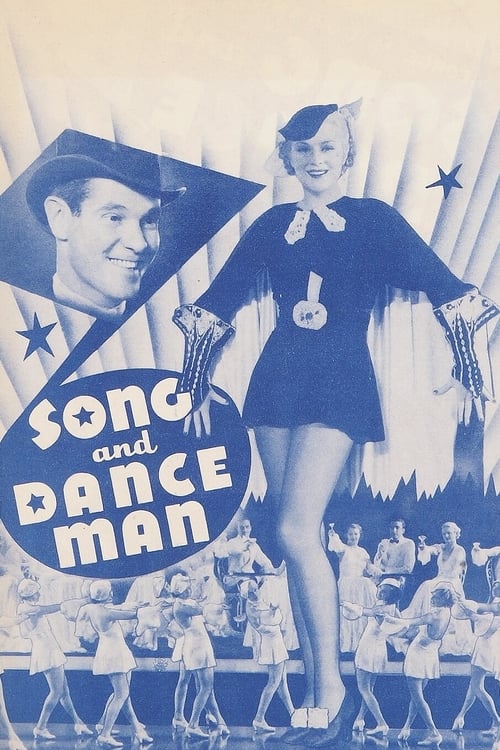
1936

1936

1936
1939
1943

1938

1951

1936

1944
No reviews yet. Be the first to share your thoughts on this movie!
Use the rating form above to leave a star rating and optional review.