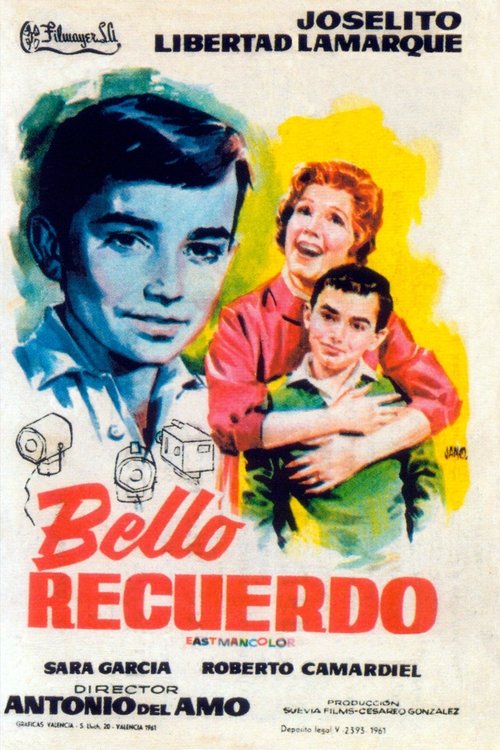
Bello recuerdo
1961
No user ratings available yet
Diversity score: 2.9 out of 10

1959
Director
Antonio del Amo
Runtime
84 minutes
Average Rating
No ratings yetSynopsis
A poor child, who does not know his parents, joins a caravan of puppeteers to escape from the house where it is received and try to find his mother. Although living in extreme poverty, the child has, however, something that helps you get ahead: his great voice. One day, when a producer heard her singing in the street, receives an invitation to go to television.
Overall Score
Limited
Category Breakdown
LGBTQ+ Representation
The film offers no evidence of non-heteronormative identities. It adheres to the conventional social structures and familial narratives typical of its era.
Gender Representation
The story centers on a male child's journey and talent. While a mother is a central motivation, the narrative reinforces traditional roles of maternal nurturing.
Racial & Ethnic Diversity
The film depicts a culturally homogeneous environment. There is no indication of racial blending or non-white majority casting within the production.
Religious & Cultural Diversity
The narrative focuses on overcoming poverty through individual merit. It prioritizes traditional familial bonds and social mobility through established institutions like television.
Disability Representation
There is no documented inclusion of characters with physical or neurodivergent disabilities. The protagonist's struggles are strictly socio-economic.
Strengths
Areas for Improvement
AI Analysis
Listen to My Song is a mid-century Spanish melodrama that follows a classic underdog trajectory. The plot focuses on a talented orphan navigating poverty to find his mother, emphasizing individual merit over systemic change. The film operates within the traditional moral and social frameworks of 1959. It prioritizes sentimentalism and classical storytelling, focusing on class struggle rather than diverse identity representation. Ultimately, the work functions as a period drama that reinforces conventional social hierarchies and traditional family structures common to its time.
1961
1968

1961
1950
1936
1959
1966
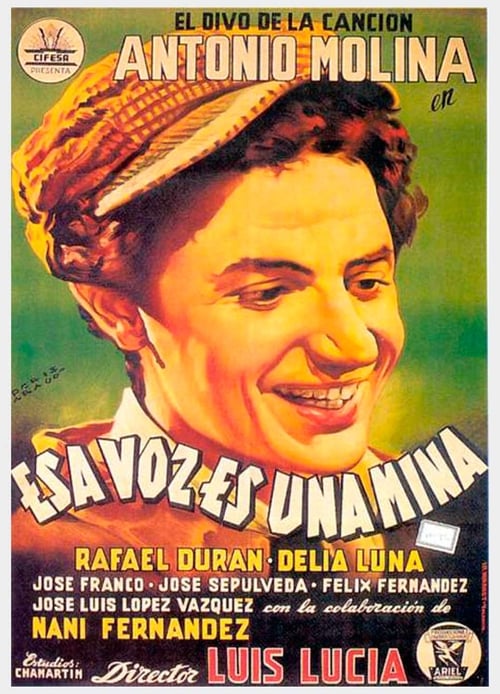
1956
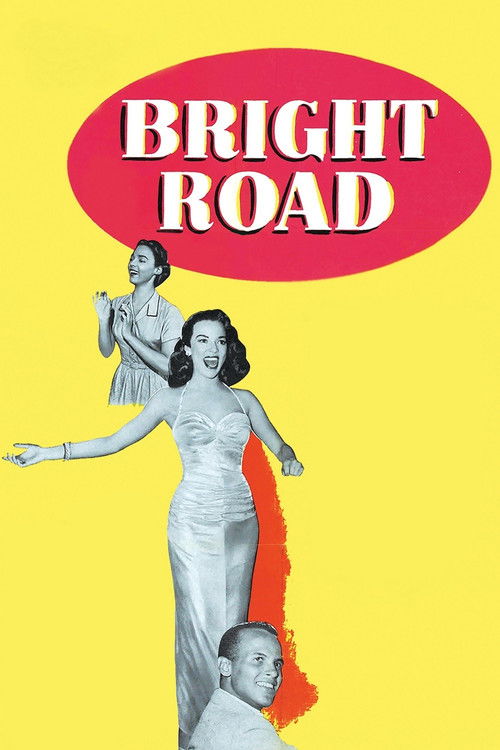
1953
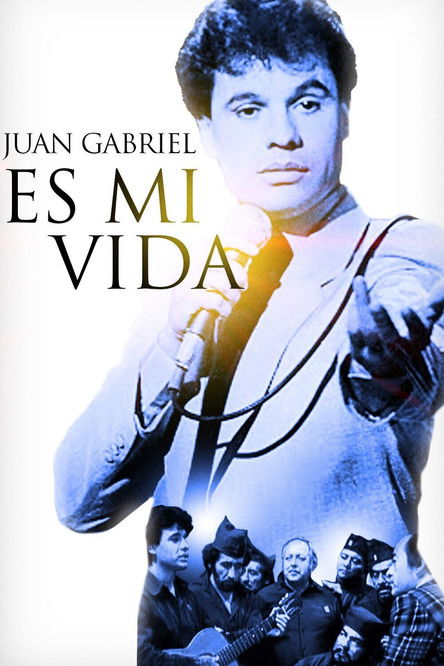
1982
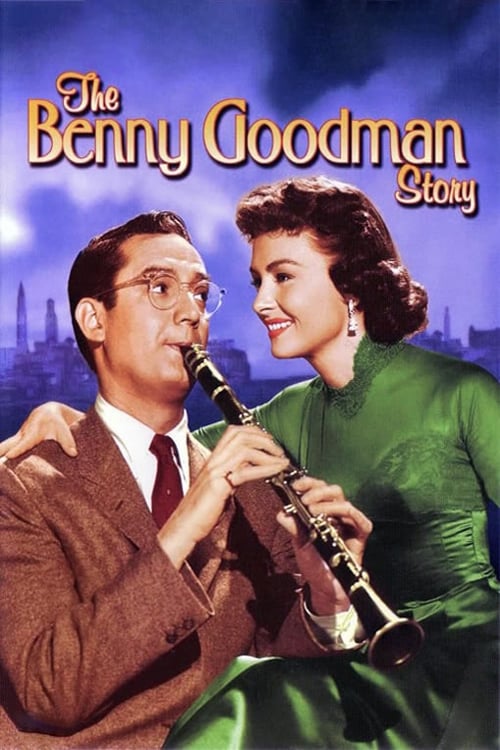
1956
2015
No reviews yet. Be the first to share your thoughts on this movie!
Use the rating form above to leave a star rating and optional review.