Buffalo Gun
1961
No user ratings available yet
Representation score: 0.3 out of 10
Representation Score
Minimal
1943
NRDirector
Alan James
Runtime
58 minutes
Average Rating
No ratings yetNew Showbiz Analysis
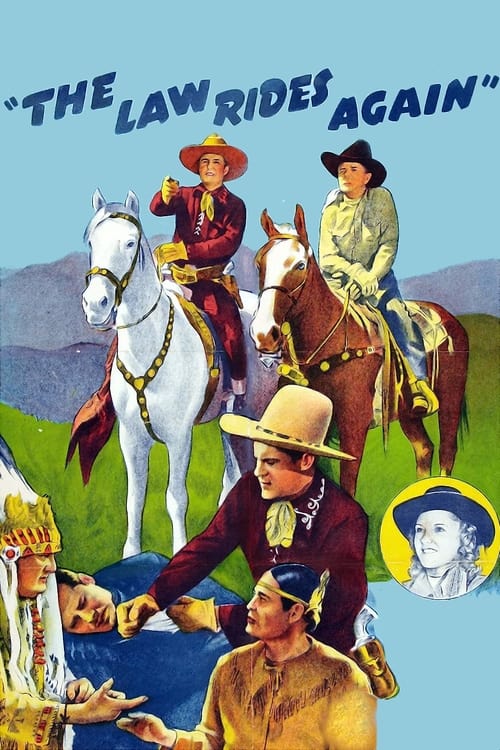
The Law Rides Again is a classic 1940s B-Western that operates within the rigid social and narrative conventions of its time. It prioritizes genre-driven action and the enforcement of law and order over social complexity or multi-layered storytelling. Representation is constrained by the film's historical context. The story centers on male protagonists and uses Indigenous populations as a backdrop for conflict rather than providing them with autonomous roles or nuanced perspectives. Ultimately, the film reinforces traditional social hierarchies and straight-centered social structures. It lacks the intentionality needed to challenge the conventional formulas of the American frontier.
Category Breakdown
The film follows the straight-centered norms typical of 1940s Westerns. There is no representation of LGBTQ+ identities or same-sex relationships.
The story emphasizes male leadership and competence. Women play minor roles, and the plot is driven entirely by male authority figures.
Indigenous characters mainly serve as catalysts for the main characters' actions. Their treaty violations are framed through a conventional law-versus-outlaw perspective.
The film upholds traditional Western values and federal authority. Its moral framework revolves around restoring order through established legal means.
There are no visible or invisible disabilities portrayed as central to the character arcs or narrative development.
Present on Screen
Limited or Absent
Official Synopsis
When a band of American Indians breaks a treaty with the federal government, U.S. Marshals Ken Maynard and Hoot Gibson hit the trail with captured outlaw Duke Dillon (Jack La Rue) to find out what sparked the uprising. They discover clues that point to corrupt Indian agent John Hampton (Kenneth Harlan), but meanwhile, the bandit Dillon pulls a fast one on the marshals, and soon everybody's getting ready for a showdown.
1961
1966

1946

1939
1948
1963
1952
1964
No reviews yet. Be the first to share your thoughts on this movie!
Use the rating form above to leave a star rating and optional review.