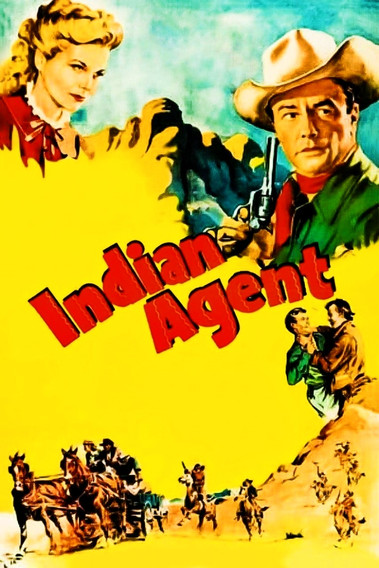
Indian Agent
1948
No user ratings available yet
Representation score: 0.9 out of 10
Representation Score
Minimal
1961
PassedDirector
Albert C. Gannaway
Runtime
72 minutes
Average Rating
No ratings yetNew Showbiz Analysis
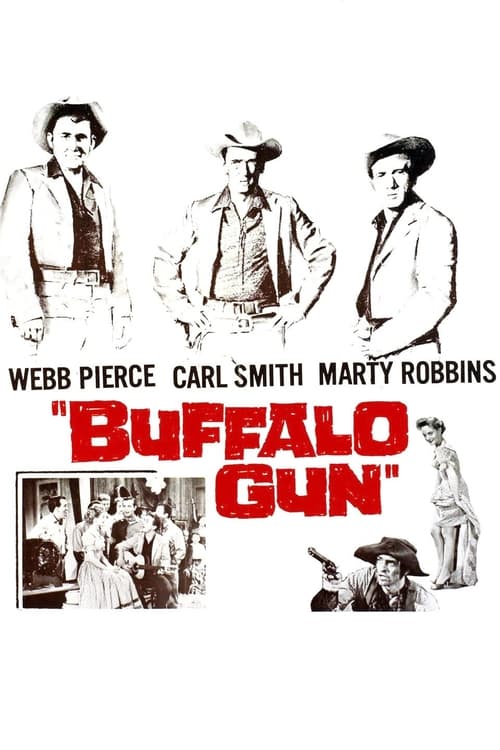
Buffalo Gun is a quintessential product of its era, functioning as a traditional Western that upholds established social and institutional hierarchies. The film lacks intentionality regarding diverse representation, focusing instead on conventional masculine leadership and a homogeneous social structure. The narrative centers on the transition from vigilantism to a structured legal system. This progression is framed as a positive, civilizing force, reinforcing the stability of the frontier through Western law and order. Ultimately, the film operates within a narrow framework. It avoids moral relativism or the subversion of traditional roles, sticking closely to the genre conventions of the early 1960s.
Category Breakdown
The film follows a strictly straight-centered structure typical of 1961 Westerns. It contains no depictions of LGBTQ+ identities or same-sex intimacy.
Narrative ability to act is concentrated almost exclusively in male characters. The plot focuses on rugged masculinity and the establishment of patriarchal order.
The cast is predominantly white, centering on the establishment of Western law. Indigenous populations appear within standard mid-century clichés regarding government rations.
The story celebrates the expansion of formal authority and legal systems. It promotes a clear moral binary rather than exploring systemic critique.
No visible or invisible disabilities are portrayed. Characters are defined by the physical competence required for frontier survival.
Present on Screen
Limited or Absent
Official Synopsis
In this western, the Indians claim that their government rations are being stolen and they threaten to fight back. A pair of agents look into it and bring the culprits to justice.
1948
1960
1943
1965
1949
1963

1946
1950
No reviews yet. Be the first to share your thoughts on this movie!
Use the rating form above to leave a star rating and optional review.