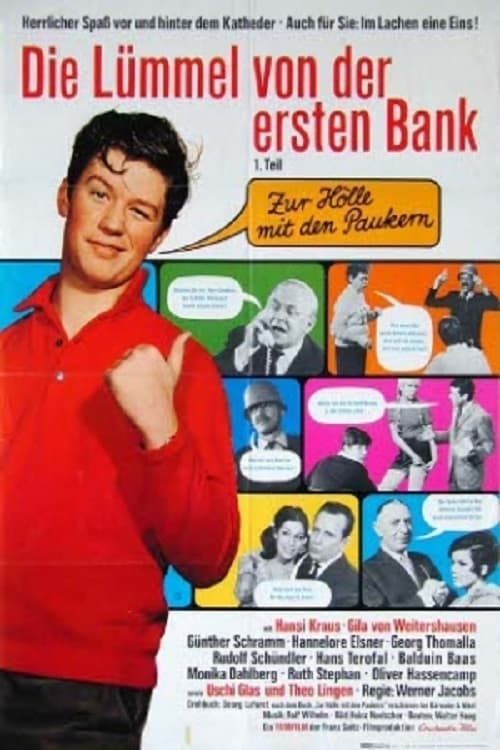
Zur Hölle mit den Paukern
1968
No user ratings available yet
Representation score: 3.1 out of 10

Representation Score
Minimal
1969
Director
Werner Jacobs
Runtime
98 minutes
Average Rating
No ratings yetNew Showbiz Analysis
Hurra, die Schule brennt is a product of the late-1960s German commercial comedy landscape. It adheres to the traditional genre conventions of its time, focusing on situational humor rather than social critique. The film lacks intentional diversity, focusing on a male-centric professional environment within a homogeneous setting. Ultimately, the work reinforces existing social hierarchies without challenging them, resulting in a low diversity score.
Category Breakdown
The film follows the social norms of 1969 and does not include any non-cisgender identities or critiques of heterosexual relationships.
The story centers around a male protagonist in an academic setting, with authority figures reinforcing traditional gender roles.
Set in a West German gymnasium, the cast appears uniform, with no non-white characters driving the narrative.
The comedy focuses on institutional school life without critiquing social norms, reinforcing traditional structures.
There is no mention of characters with visible or invisible disabilities.
Present on Screen
Limited or Absent
Official Synopsis
A new teacher, Dr. Dr. Bach, is transferred from his quiet village elementary school to the Mommsen Gymnasium, bringing along his nephew Jan. Bach's lackadaisical methods raise the suspicions of the other teachers.
1968
1976
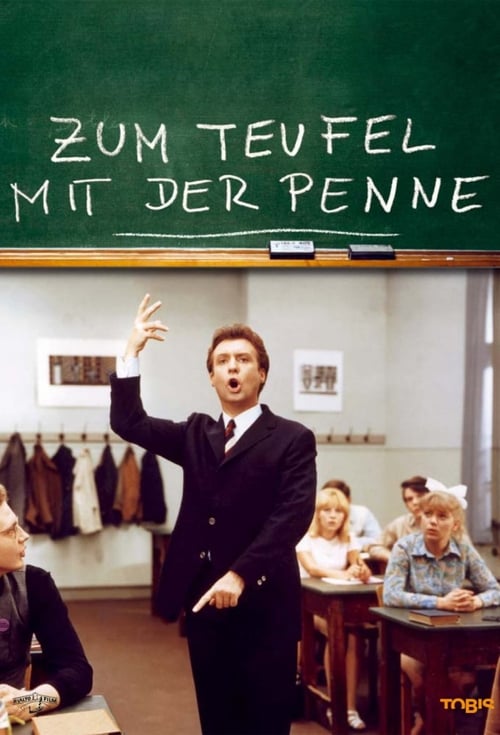
1968
1980
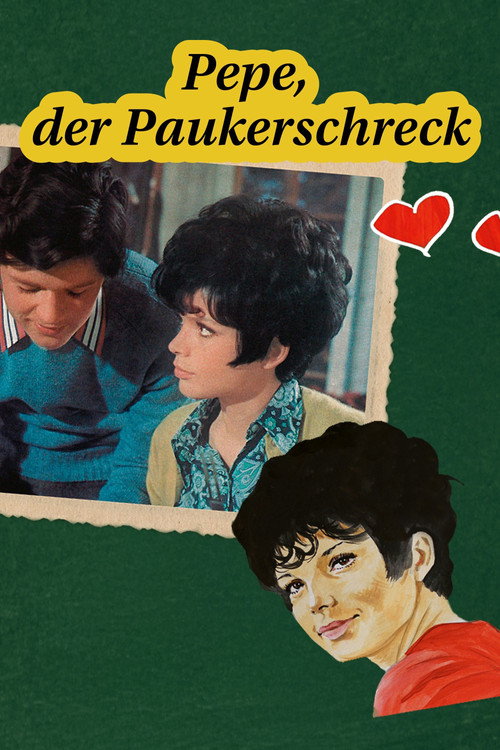
1969
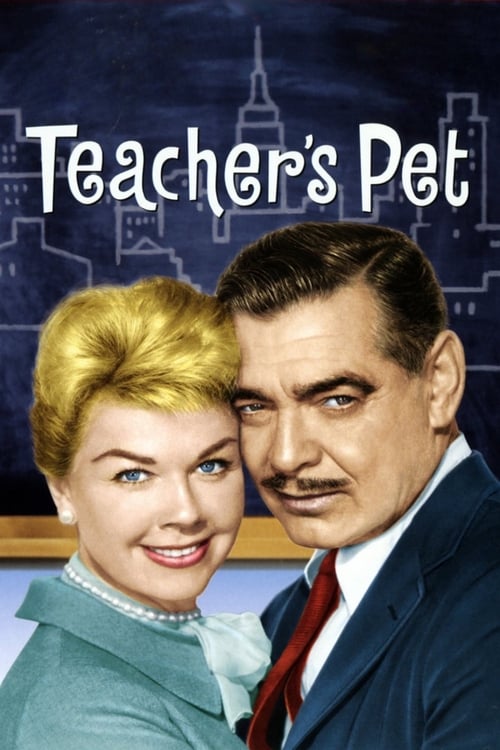
1958
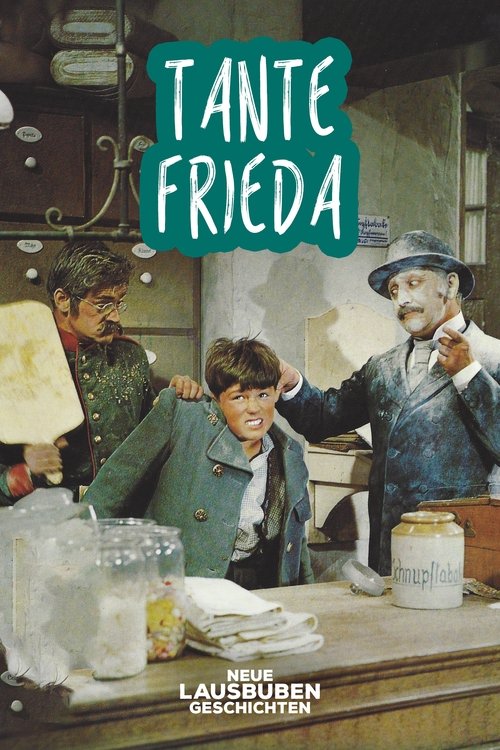
1965

1969
No reviews yet. Be the first to share your thoughts on this movie!
Use the rating form above to leave a star rating and optional review.