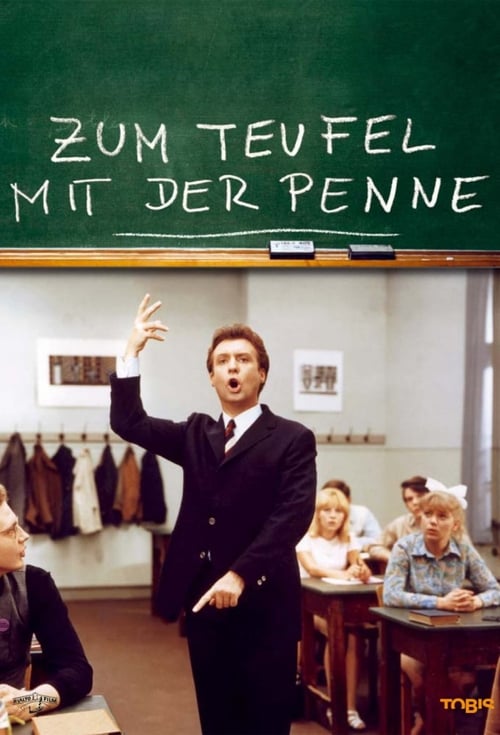
Zum Teufel mit der Penne
1968
No user ratings available yet
Representation score: 2.0 out of 10
Representation Score
Minimal
1970
Director
Helmut Käutner
Runtime
100 minutes
Average Rating
No ratings yetNew Showbiz Analysis
The film is a traditional period comedy that prioritizes nostalgic social cohesion. It reflects its specific cultural and temporal context, emphasizing institutional familiarity over modern characters who reflect more than one aspect of diversity. The narrative architecture reinforces conventional social hierarchies. By focusing on a male protagonist's pursuit of lost youth within a traditional school setting, the film maintains a narrow, homogeneous perspective. Ultimately, the work lacks the intentionality required to disrupt Western or gendered norms, serving instead to celebrate a specific, idealized version of historical European life.
Category Breakdown
The film follows mid-20th-century comedic traditions and centers on social dynamics that assume everyone is straight or cisgender. There is no documented evidence of characters with non-cisgender identities.
The story focuses on a male protagonist's journey through a male-dominated academic environment. It emphasizes traditional masculine camaraderie rather than challenging gender roles.
Reflecting the demographic homogeneity of mid-century Germany, the cast lacks racial diversity. The production focuses on localized, traditional European social structures.
The narrative celebrates idealized historical social cohesion and institutional tradition. It reinforces the value of established academic and community structures rather than offering critical perspectives.
There is no discernible focus on neurodivergence, physical disabilities, or mental health. Character arcs are driven by social motivations rather than the navigation of disability.
Present on Screen
Limited or Absent
Official Synopsis
A successful author, who was educated by private teachers in his home instead of being sent to school with other boys, realizes he missed out on a lot fun in his younger years. He decides to make up for this and attends school classes disguised as a pupil.
1968
1944
1964
1980

1972
1958

1978
1968
No reviews yet. Be the first to share your thoughts on this movie!
Use the rating form above to leave a star rating and optional review.