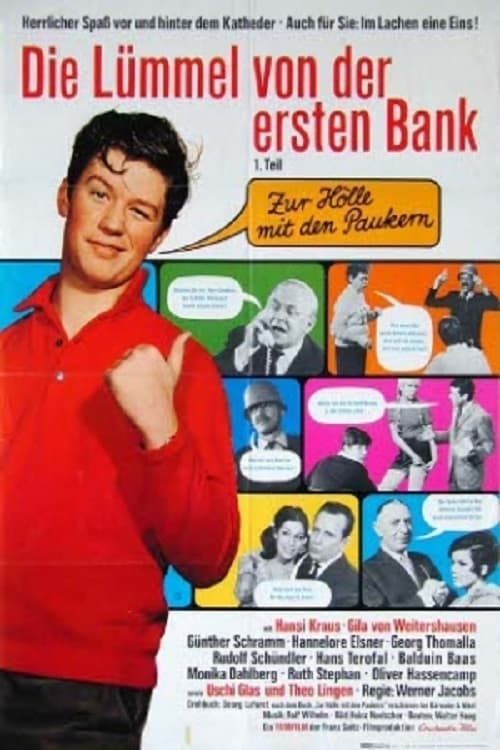
Zur Hölle mit den Paukern
1968
No user ratings available yet
Representation score: 3.1 out of 10
Representation Score
Minimal
1968
Director
Werner Jacobs
Runtime
99 minutes
Average Rating
No ratings yetNew Showbiz Analysis
This 1968 comedy centers on the theme of generational conflict and academic evasion. The narrative employs a mockumentary style to depict the behavior of students trying to avoid schoolwork and disrupt teachers. While the film delves into themes of institutional defiance, it remains firmly grounded in the comedic situations of its time. It prioritizes light-hearted entertainment over challenging social hierarchies or systemic power dynamics. Overall, the film mirrors the traditional social structures of its era, lacking the modern approach needed for inclusive representation.
Category Breakdown
The film adheres to traditional social norms of 1968 West Germany. It does not include any representation of non-binary or LGBTQ+ identities.
The story revolves around a male protagonist and his classmates. It does not challenge traditional gender roles or provide diverse female perspectives.
This is a localized German comedy from the late 1960s. The cast appears to be homogeneous, with no indication of diverse racial backgrounds.
The film portrays students rebelling against authority through disruptive behavior. This is presented as a comedic cliché rather than a deeper social critique.
There is no information about characters with visible or invisible disabilities in the film.
Present on Screen
Limited or Absent
Official Synopsis
Pepe Notnagel (who inexplicably had his name changed from the first movie's Nietnagel) and his classmates scheme to get around doing any actual school work by cheating or sending their teachers to the sanatorium. A Swiss documentary film maker disguises himself as his brother in law, who got a position as an exchange teacher, to aid his project of making a movie about the current youth.
1968
1980

1969
1967
1969
1958

1971

1970
No reviews yet. Be the first to share your thoughts on this movie!
Use the rating form above to leave a star rating and optional review.