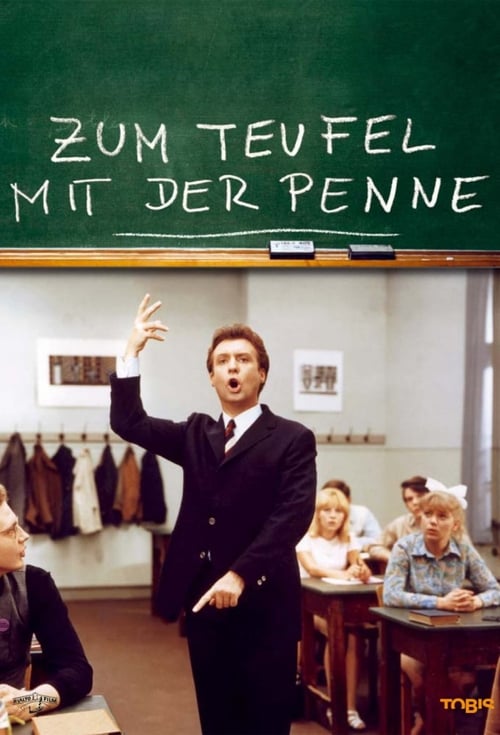
Zum Teufel mit der Penne
1968
No user ratings available yet
Representation score: 2.0 out of 10

Representation Score
Limited
1968
Director
Werner Jacobs
Runtime
85 minutes
Average Rating
No ratings yetNew Showbiz Analysis
Werner Jacobs presents a typical 1960s comedy about mischievous students causing trouble at school. The film uses slapstick humor and situational jokes to tell its story of adolescent rebellion. Though the protagonists succeed in undermining institutional order, the film doesn't intentionally address overlapping identities. It serves as light-hearted entertainment rather than a tool for social critique or breaking down traditional hierarchies. Overall, the work reflects the demographic and social norms of its time, prioritizing genre conventions over progressive representation.
Category Breakdown
The film adheres to traditional 1960s social structures. There are no LGBTQ+ characters or stories about non-cisgender identities.
The story centers on a student group without challenging gender hierarchies. Female characters do not show much independence that breaks traditional roles.
The setting likely mirrors the demographic uniformity of mid-century West Germany. The film lacks a diverse cast that questions era-specific casting.
The film portrays adolescent rebellion as humorous disruption rather than a structured critique of Western institutions. It shows moderate anti-authoritarian sentiments.
A teacher is hospitalized due to student pranks, serving as a plot device rather than a detailed look at mental health issues.
Present on Screen
Limited or Absent
Official Synopsis
Pepe Nietnagel and his fellow students of the Mommsen school come up with all kinds of ideas to get out of doing any actual school work. This includes simulating suicides, setting off the air-raid sirens and abusing the school director's new broadcasting system. They succeed in sending their teacher to a sanatorium and get a replacement that turns out to not be so bad after all.
1968
1980

1969
1933
1969
1958
1947

1971
No reviews yet. Be the first to share your thoughts on this movie!
Use the rating form above to leave a star rating and optional review.