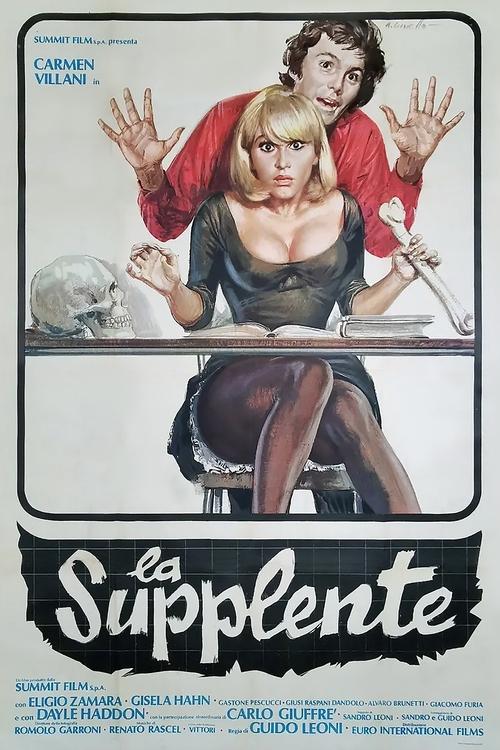
Substitute Teacher
1975
No user ratings available yet
Representation score: 1.4 out of 10
Representation Score
Minimal
1976
RDirector
Michele Massimo Tarantini
Runtime
85 minutes
Average Rating
No ratings yetNew Showbiz Analysis
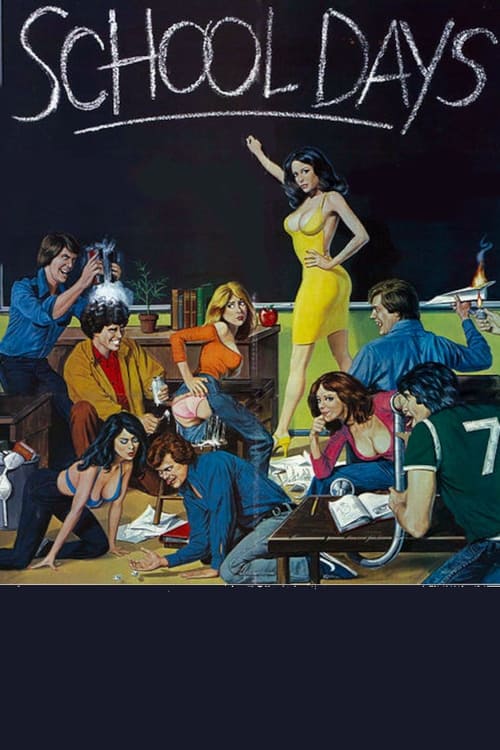
School Days is a period-specific comedy that relies heavily on established genre clichés of the era. The film prioritizes physical humor and romantic tension over complex social commentary or multi-layered storytelling. The narrative is built around the objectification of the female protagonist, Stefania, who primarily serves as an object of affection for the male characters. Ultimately, the film functions as a commercial product of its time, adhering to traditional demographic norms and lacking the intentionality required to disrupt social hierarchies or provide nuanced representation.
Category Breakdown
The film focuses on heterosexual relationships and objectifies the female lead. There are no non-cisgender identities or stories that question traditional heterosexuality.
The female lead holds a position of authority as a teacher, but her role is tied to her desirability. Her character serves primarily as an object of affection for the male characters.
The film reflects the homogeneous demographic typical of 1976 Italian cinema. There is no indication of a multi-ethnic cast or race-bent casting.
The story operates within traditional social hierarchies, featuring local nobility and standard domestic structures. It lacks subversive ideological framing or the deconstruction of Western institutions.
The film does not feature characters with physical or neurodivergent disabilities. No specific evidence regarding disability representation is present in the narrative.
Present on Screen
Limited or Absent
Official Synopsis
When the local science teacher hurts herself during a failed experiment and ends up in hospital, she is replaced by young and sexy Stevania Marini. Barely out of school herself, Stefania finds herself the object of affection for several men, including a young baron and and even most of her male students. One of these, Andrea Balsamo is part of the family with whom Stefania is staying and as such has a stronger foothold than most of the other men in town
1975
1976
1975

1967
1978

1958
1980
1978
No reviews yet. Be the first to share your thoughts on this movie!
Use the rating form above to leave a star rating and optional review.