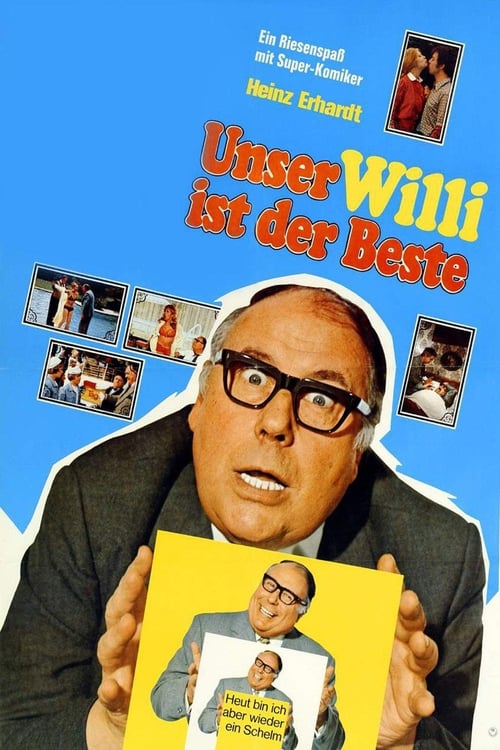
Unser Willi ist der Beste
1971
No user ratings available yet
Representation score: 1.2 out of 10
Representation Score
Limited
1972
Director
Werner Jacobs
Runtime
84 minutes
Average Rating
No ratings yetNew Showbiz Analysis
Werner Jacobs' 1972 comedy reflects the specific temporal and cultural context of its time. It uses traditional narrative structures that do not actively seek to disrupt or challenge established social, racial, or gender hierarchies. The film adheres to the commercial standards of early 1970s German cinema, prioritizing light-hearted entertainment over narratives that consider multiple aspects of diversity. Ultimately, the work maintains the status quo rather than offering social critique.
Category Breakdown
The film follows the typical social structures of 1972 mainstream cinema. It does not include non-binary gender identities or stories that question the assumption that everyone is straight or cisgender.
The story likely upholds traditional gender roles common during that time. Women do not have positions of superior intellect or control over the narrative.
The casting seems uniform, reflecting the commercial standards of the era. The film does not feature non-white majority casts or actors from different backgrounds playing traditionally white roles.
The story operates within established cultural norms, emphasizing traditional family or social structures. It does not offer critiques against capitalist or Western values.
There are no neurodivergent or physically disabled characters with significant roles in the plot. The film does not show characters with disabilities driving the story.
Present on Screen
Limited or Absent
1971
1991

1970
1967

1966
1964
1976
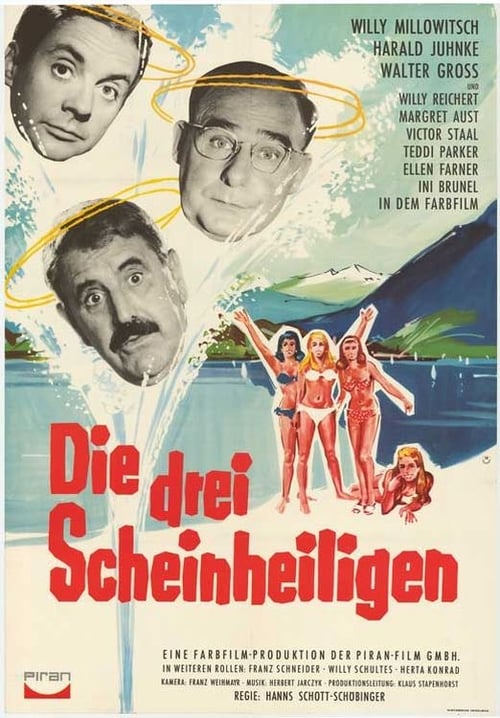
1964
No reviews yet. Be the first to share your thoughts on this movie!
Use the rating form above to leave a star rating and optional review.