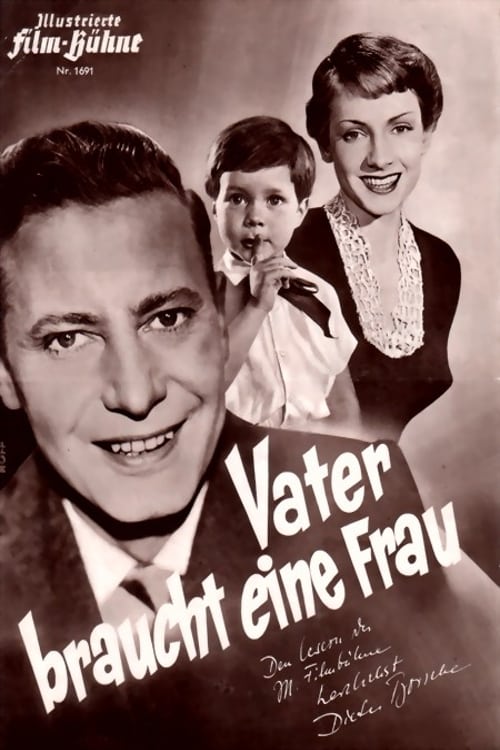
Father Needs a Wife
1952
No user ratings available yet
Diversity score: 1.7 out of 10
1950
ApprovedDirector
Norman Foster, Abby Berlin
Runtime
83 minutes
Average Rating
No ratings yetSynopsis
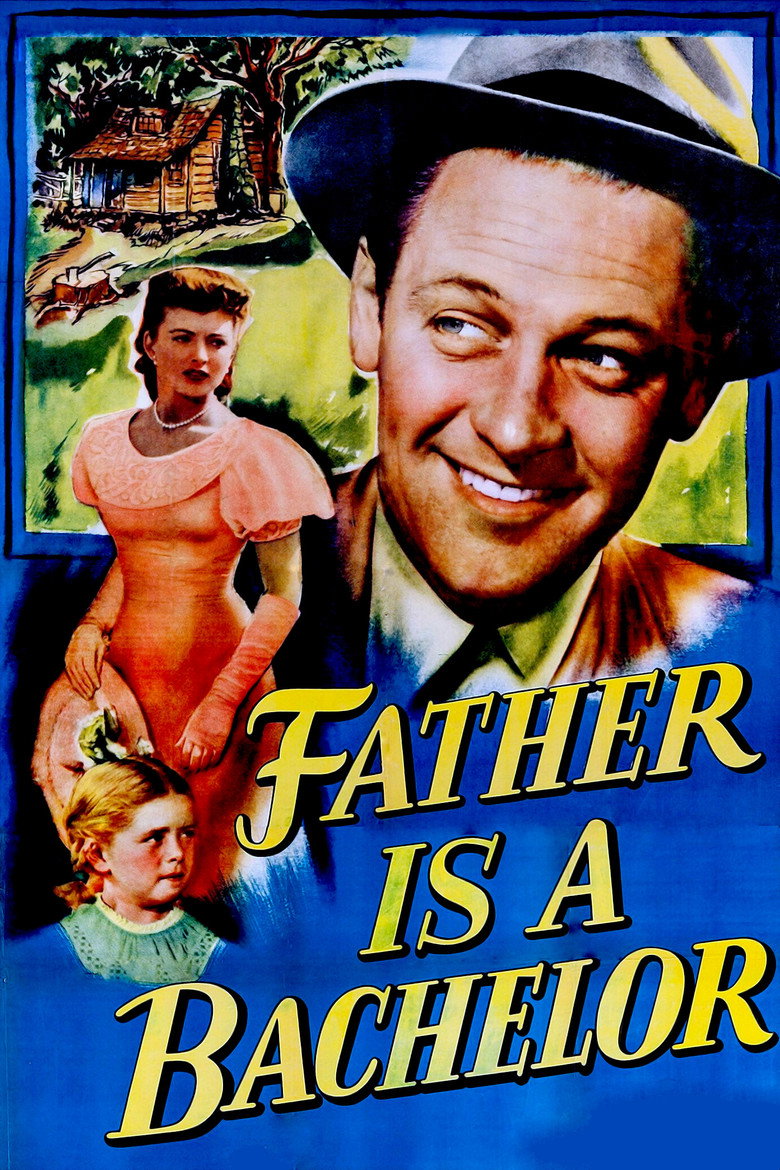
Johnny Rutledge is a drifter who comes to and discovers a cabin in the forest where five kids: January, February, March, April, and May are living without parents. Their parents died a while ago, and they want to keep that secret from the townspeople, especially the young school teacher, Prudence Millett, to avoid being sent to a children's home and eventual separation. Johnny moves in with the kids and poses as their uncle to take care of them while romancing Prudence. But in order to keep the children, he has to get married.
Overall Score
Minimal
Category Breakdown
LGBTQ+ Representation
The film operates within a strictly heteronormative framework. The plot focuses on a male protagonist's romantic pursuit of a woman, culminating in a traditional marriage.
Gender Representation
Gender roles follow 1950s conventions. The male lead acts as the provider and protector, while the female lead serves as the romantic interest and moral authority.
Racial & Ethnic Diversity
The narrative lacks evidence of racial or ethnic diversity. The setting and character descriptions suggest a homogeneous cast typical of mid-century American comedies.
Religious & Cultural Diversity
The story emphasizes the importance of the nuclear family and legal legitimacy. It reinforces traditional Western institutions rather than critiquing them.
Disability Representation
There is no mention of characters with visible or invisible disabilities within the narrative.
Strengths
Areas for Improvement
AI Analysis
Father Is a Bachelor is a quintessential mid-century domestic comedy that prioritizes the restoration of conventional social order. The plot centers on a man assuming a parental role to protect a group of children, ultimately seeking stability through marriage. The film adheres to the era's standard social constraints, reinforcing traditional masculine leadership and the necessity of the nuclear family unit. It lacks intersectional complexity or any subversion of established social hierarchies. Because the narrative relies on established norms of the 1950s, it offers very little in the way of diverse or progressive representation.
1952
1947
1956
1982
1940
1953

2001

1942
1938
1940
1936
1933
No reviews yet. Be the first to share your thoughts on this movie!
Use the rating form above to leave a star rating and optional review.